
Companion Plants
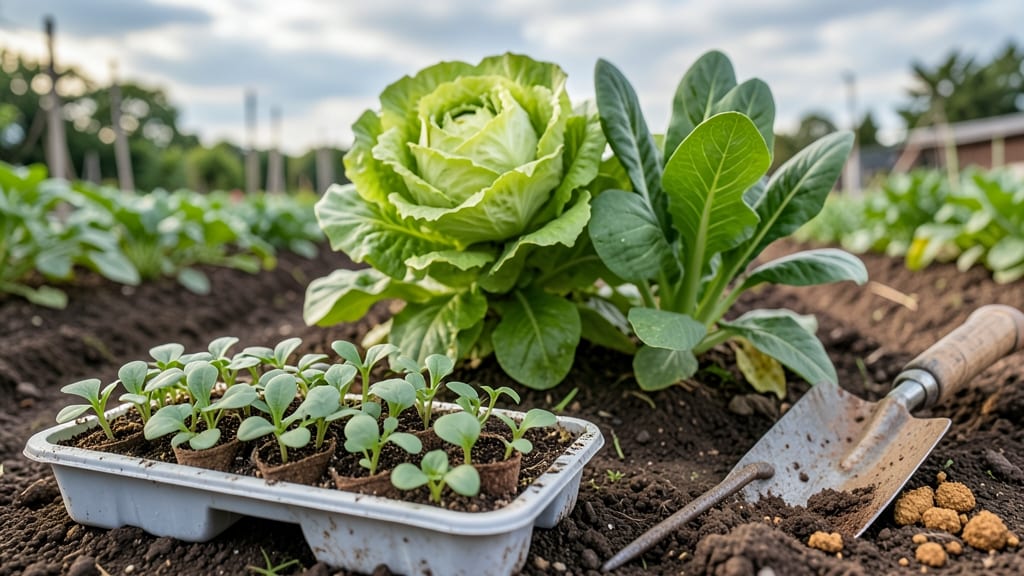
If you're asking "when can I plant lettuce in Zone 6", the answer isn't just about dates—it's about avoiding those bitter, bolted greens that turn your garden dreams sour.
Lettuce 🥬 thrives when soil temps hover between 40°F and 75°F, making early spring (March-April) and late summer (August-September) your sweet spots in Zone 6.
Timing is everything because Zone 6's unpredictable frosts and summer heat can sabotage your crop. Plant too early, and frost zaps your seedlings. Too late, and your lettuce bolts into flowery disappointment.
The key? Start seeds indoors 4-6 weeks before your last frost (around April 15 in 6a-6b), then transplant when soil warms to 40°F.
But here's the game-changer: fall planting works too. After the first frost (mid-October), lettuce actually tastes sweeter. Just use shade cloth in summer to keep it cool and crisp. I'll show you exactly how to stretch your harvest from spring to fall without the common mistakes that ruin lettuce growth.
Ready to grow lettuce that's crisp, sweet, and ready to harvest? Let's dive into the perfect planting schedule, soil prep secrets, and shade strategies that'll keep your greens thriving all season long—no bolting in sight.
Zone 6 lettuce planting calendar: frost dates & soil temperature guide
Getting your lettuce timing right in Zone 6 means avoiding two major pitfalls: late frosts that kill tender seedlings and summer heat that causes bolting. The key is planting when soil temperatures stay between 40°F and 75°F—cool enough for germination but warm enough for steady growth.
In Zone 6, this typically translates to two prime windows: early spring and late summer. Let’s break down the exact dates and soil conditions you need to target.
Your last frost date in Zone 6 usually falls around April 15, while the first frost arrives around October 15. These dates create a 165-day growing window—plenty of time for two full harvests if you plan carefully.
The trick is to start seeds or transplants 4-6 weeks before your last frost for spring lettuce, then repeat the process in late August for a fall crop. This staggered approach ensures you’re never left without fresh greens.
Soil temperature is just as critical as air temperature. Lettuce seeds won’t germinate well below 40°F, and growth slows dramatically above 75°F. Use a soil thermometer to confirm conditions—if your soil is still chilly in early March, wait a week or two.
For heat-tolerant varieties like Jericho or Black Seeded Simpson, you can push the envelope slightly, but even these varieties struggle when daytime highs exceed 80°F for more than a few days.
| Planting Window | Soil Temp | Action | Notes |
|---|---|---|---|
| Early Spring (Feb-Mid April) | 40-60°F | Start seeds indoors or sow directly | Use row covers for frost protection |
| Late Summer (Aug-Sept) | 60-75°F | Sow seeds directly or transplant | Choose heat-tolerant varieties |
| Fall (Oct-Nov) | 40-60°F | Direct sow for late harvests | Protect from early frosts |
| Avoid Summer (June-July) | Above 75°F | Skip planting | Risk of bolting and poor growth |
For spring lettuce, begin sowing seeds indoors in late February or directly outdoors in early March, once soil temperatures stabilize. If you’re using transplants, set them out 3-4 weeks before your last frost to give them time to establish roots.
In Zone 6, this often means mid-to-late March for most areas. Always harden off seedlings for 7-10 days before transplanting to prevent shock.
If you’re aiming for a fall harvest, your last chance to sow seeds is around August 15, with transplants going in by early September. This timing ensures your lettuce matures before the first frost hits.
For extended fall harvests, consider using shade cloth (30-50% shade) to protect plants from late-summer heat while still allowing enough light for growth. This simple trick can push your harvest window by 2-3 weeks.
One of my favorite Zone 6 lettuce varieties for spring is Buttercrunch, which thrives in cooler weather and resists bolting. For fall, I always reach for Romaine or Leaf Red Salad—both handle the transition from summer to autumn beautifully.
Pro tip: Mix varieties in your garden to ensure a steady supply of greens throughout the season. For example, plant leaf lettuce (like Black Seeded Simpson) for quick harvests and head lettuce (like Iceberg) for later in the season.
Don’t forget to prepare your soil properly before planting. Lettuce prefers well-draining, fertile soil with a pH between 6.0 and 7.0. Work in 2-3 inches of compost or well-rotted manure a few weeks before planting to give your greens the nutrients they need.
If your soil is heavy clay or sandy, amend it with organic matter to improve moisture retention and structure. A little extra effort here pays off with crisp, flavorful leaves all season long.
Finally, keep an eye on your microclimate. Areas near large trees or buildings may stay cooler longer in spring, while south-facing patches can get too hot in summer.
Use these microclimates to your advantage: plant heat-sensitive varieties in shadier spots and heat-tolerant ones in sunnier areas. With the right timing and
Zone 6 lettuce planting calendar: frost dates & soil temperature guide
In Zone 6, your lettuce planting success hinges on two critical factors: soil temperature and frost dates. Lettuce 🥬 thrives when soil temps stay between 40°F and 75°F, but Zone 6's unpredictable swings can turn your crop into a sad, bolting mess if you're not careful.
The last frost typically hits around April 15, while the first frost arrives mid-October—so your planting windows are tight but doable with the right timing.
For spring plantings, start seeds indoors 4-6 weeks before your last frost (late February to early March). Transplant seedlings outdoors when soil reaches 40°F and nighttime temps stay above 35°F.
Fall plantings work too—sow seeds directly after the first frost in late August to early September, giving your lettuce a head start before winter.
| Season | Planting Window | Soil Temp (°F) | Key Notes |
|---|---|---|---|
| Spring | Late February - Early April | 40-60°F | Start indoors 4-6 weeks before last frost; transplant after soil warms. |
| Summer | Avoid (unless using shade cloth) | N/A | Heat above 75°F causes bolting; use shade cloth for heat-tolerant varieties. |
| Fall | Late August - Early September | 50-70°F | Sow directly after first frost; harvest before hard frost in October. |
| Winter | None (unless overwintering with protection) | N/A | Use row covers for cold-hardy varieties like 'Winter Density' lettuce. |
Pro tip: Heat-tolerant varieties like 'Black Seeded Simpson' or 'Jericho' can handle brief summer heat, but even they need afternoon shade to avoid bolting. I’ve had the best luck with these varieties in late summer plantings—just give them a 30-50% shade cloth during peak afternoon sun.
Don’t forget to test your soil before planting. Lettuce prefers pH 6.0-7.0 and rich, well-draining soil. Amend with compost if your soil is heavy clay or sandy. A simple soil test kit (available at garden centers) will save you from guesswork and give your lettuce the perfect foundation.
For succession planting, sow new seeds every 2-3 weeks from March through August. This ensures a steady supply of fresh lettuce without overwhelming your garden at once. I’ve found that spacing seeds ½ inch apart in rows 12-18 inches apart works perfectly for both spring and fall crops.
Timing your lettuce plantings in Zone 6 isn’t just about dates—it’s about reading your microclimate. A sheltered spot might stay frost-free a week longer than your average last frost date.
Pay attention to local frost advisories and adjust your schedule accordingly. With the right timing, you’ll enjoy crisp, sweet lettuce from May through November—no bolting in sight! 🌱