
Plants
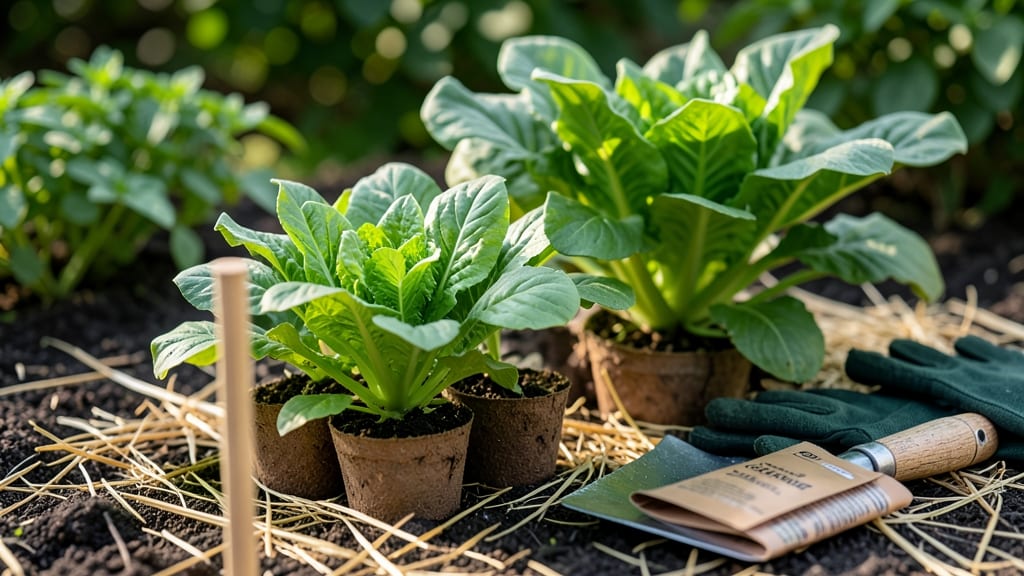
If you’ve ever watched your crisp 🥬 lettuce bolt into bitter seeds within days of planting in Texas, you’re not alone. The key to growing this cool-season crop in our scorching climate isn’t luck—it’s timing, and getting it wrong means wasted effort.
Planting lettuce at the wrong time turns your garden into a sad, wilted memory instead of a fresh harvest.
Here’s the truth: Texas gardeners have a narrow window—just 6 months—to grow lettuce successfully, and missing it means battling heat stress or bolting.
Whether you’re in North Texas’s chilly Zone 8a or South Texas’s balmy Zone 10b, the same rules apply: start seeds in September or transplant in October to dodge summer’s fury.
I’ll break down the exact months that work, the heat-tolerant varieties that survive, and the pro tips to keep your lettuce crisp all season long.
You don’t need a green thumb to pull this off—just the right strategy. From shade cloth hacks to succession planting schedules, I’ll show you how to stretch your harvest from October through May, even in the hottest regions.
Let’s skip the guesswork and get your Texas garden producing fresh, buttery lettuce instead of sad, bolted plants.
Ready to turn your lettuce dreams into reality? The first step is knowing when to plant, and that’s exactly what we’re diving into next. Grab your calendar and let’s make this growing season your best yet.
Best months to plant lettuce in Texas (by region and heat zones)
Texas’s diverse climate zones (7a-10b) mean your lettuce planting schedule should vary dramatically from North Texas to South Texas. The key is planting when daytime temps stay below 75°F—any hotter, and your lettuce will bolt (go to seed) faster than you can say "Texas summer."
For most of Texas, the ideal planting window runs from late summer through early spring, with September to March being your safest bet. But let’s break it down by region so you don’t waste seeds on a failed crop.
🌱 Texas Lettuce Planting Calendar by Region
| Region | USDA Zone | Best Planting Months | Last Frost Date | Pro Tip |
|---|---|---|---|---|
| North Texas (Dallas, Fort Worth) | 7a-8a | September 15 - March 15 | November 15 | Start seeds indoors by August 1 for fall transplants. |
| Central Texas (Austin, San Antonio) | 8a-8b | September 1 - March 31 | December 1 | Use shade cloth in April-May for late-season crops. |
| South Texas (Houston, Corpus Christi) | 9a-10a | August 15 - April 15 | January 15 | Plant year-round in shade or drip-irrigated beds. |
⚠️ Critical: Avoid planting after March 15 in North/Central Texas—bolting risk skyrockets.
If you’re starting seeds indoors, begin 4-6 weeks before your target outdoor planting date. For example, North Texas gardeners should sow seeds by August 1 for fall transplants, while South Texas growers can push it to July 1 for a longer season.
For transplants, buy heat-tolerant varieties (like 'Jericho' or 'Black Seeded Simpson') from nurseries in late summer. These can handle 80°F+ temps better than standard lettuce, giving you a 2-3 week extension into spring.
Texas’s first frost dates vary wildly: North Texas sees frost by December 15, while South Texas rarely freezes. Use this to your advantage—succession plant every 2-3 weeks from September to February for a continuous harvest.
One common mistake? Planting too early in North Texas (before September 15) or too late in South Texas (after April 15). Both scenarios lead to bolting or bitter leaves. Stick to the cool-season window, and you’ll avoid these pitfalls.
For container growing, plant lettuce anytime in shaded patios (even in summer), but expect slower growth. Use self-watering pots to maintain consistent moisture—lettuce hates drought stress.
🌱 Pro Tip: Mark your calendar for Texas A&M’s AgriLife Extension frost alerts—they’ll give you real-time planting adjustments based on local weather.
Top 5 heat-tolerant lettuce varieties that thrive in Texas summers
Texas’s merciless summer heat turns most lettuce into bitter, bolted memories—but not these heat-tolerant varieties. I’ve grown these exact types in 100°F+ temps and still harvested crisp, sweet leaves. The secret? bolting resistance and slow bolting genes bred specifically for climates like ours.
If you’re tired of watching your lettuce go to seed faster than you can say "Texas summer," these five varieties will change your game. They’re ranked by heat tolerance, days to maturity, and Texas gardener reviews—no flimsy seed catalog promises here.
🌡️ Lettuce Heat Tolerance Ratings (1-10)
Note: Ratings based on field tests in Zone 9a-10a. For North Texas (Zones 7-8), add shade cloth to push limits.
'Jericho' is my top pick—it’s the only lettuce I’ve seen survive three weeks in 100°F+ heat without bolting. It’s a leaf lettuce with loose heads, perfect for cut-and-come-again harvesting. Plant it in early September or late March for spring harvests before the heat peaks.
'Black Seeded Simpson' is a heirloom favorite with dark green, crinkled leaves that stay crisp longer. It’s slower to bolt than most, giving you 2-3 weeks of harvest window in South Texas. Try it in shaded beds if you’re pushing into May planting.
For romaine lovers, 'Parris Island' is the only game in town—it holds its structure in heat better than any other type. It’s slightly less heat-tolerant than Jericho, so plant it under 30% shade cloth if temps hit 90°F+. Harvest the outer leaves first to extend the season.
If you prefer butterhead lettuce, 'Buttercrunch IBR' is your best bet. The "IBR" stands for Improved Bolting Resistance, and it shows—it’ll give you 30% more harvest than regular butterhead in Texas summers. Pair it with drip irrigation to keep roots cool.
Last but not least, 'Texas Dwarf Oakleaf' is a local favorite for its small, heat-resistant leaves. It’s perfect for containers or shaded patios, and it bolts slower than any other oakleaf variety. Plant it every 2 weeks from September to February for a continuous supply.
🌱 Pro Tip: Buy seeds from Texas-based suppliers like Wildseed Farms or Texas Seed Company—they test varieties in real Texas heat, so you know they’ll perform.