
Companion Plants
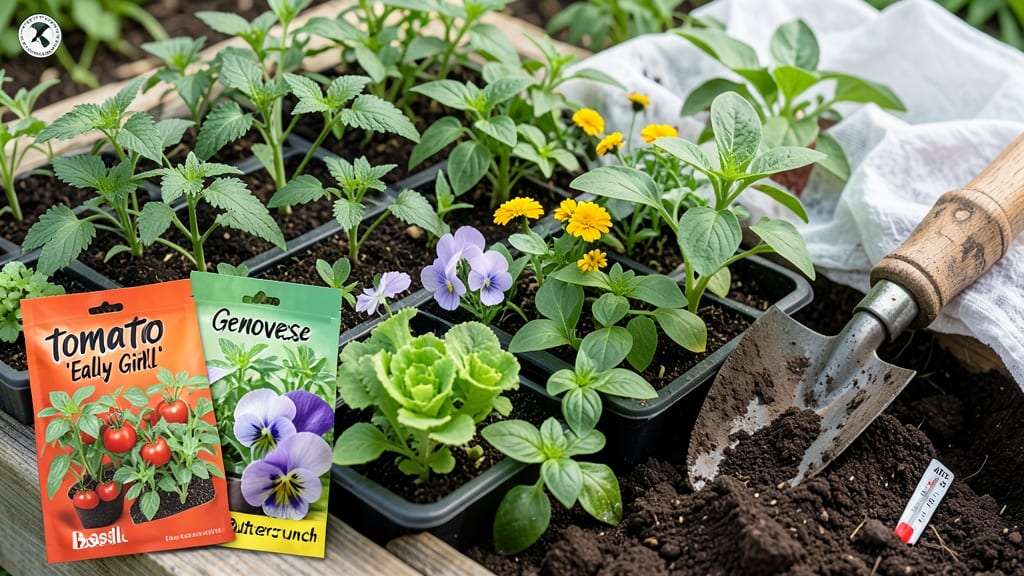
Knowing when to plant in Zone 6b can mean the difference between a thriving garden and wasted effort.
The last frost date of April 15 isn’t just a number—it’s your cue to start planting cool-season crops like spinach and peas, while warm-season favorites like tomatoes need to wait until the soil warms up.
But timing isn’t one-size-fits-all, and getting it wrong can leave your plants struggling or even dead.
Whether you're a seasoned gardener or just starting out, mastering the Zone 6b planting schedule is key to maximizing your harvest. From early spring starts to late-summer succession planting, each crop has its own ideal window.
Miss it, and you might end up with stunted growth or bolted greens. The good news? With the right strategies, you can extend your growing season and enjoy fresh produce well into fall.
In this guide, I’ll break down the exact dates for planting vegetables, flowers, and herbs in Zone 6b, including how to adjust for microclimates and common mistakes to avoid. You’ll learn which crops thrive in early spring, which need summer heat, and how to protect your plants from unexpected frosts.
Let’s get your garden on the right track for a bountiful season.
Ready to turn your garden dreams into reality? The first step is understanding your local planting windows—and I’ve got you covered. Whether you’re sowing seeds indoors or direct-sowing outdoors, timing is everything. Let’s dive into the details so you can plant with confidence and watch your garden flourish.
Zone 6B planting calendar: exact dates for vegetables, flowers, and herbs
Understanding Zone 6B planting dates starts with knowing your last average frost date, which typically falls around April 15 in most areas.
This date marks the safe window for planting warm-season crops like tomatoes and peppers, while cool-season crops like lettuce and spinach can often go in as early as March. The key is balancing these dates with soil temperatures—most seeds need 45°F soil temps to germinate properly.
For spring planting, focus on getting warm-season plants in the ground 2-4 weeks after your last frost. This gives them time to establish roots before summer heat arrives.
Meanwhile, fall planting should begin 4-6 weeks before your first frost (around October 15), allowing crops like kale and broccoli to mature before winter sets in.
Here’s a quick reference for Zone 6B’s frost-free season: You typically have about 165 frost-free days, which is perfect for two growing seasons—spring and fall—if you plan carefully. This means you can often squeeze in two harvests of fast-growing crops like radishes or bush beans.
Zone 6B Planting Calendar
| Plant Type | Ideal Planting Months | Notes |
|---|---|---|
| Cool-Season Vegetables | March–April, August–September | Lettuce, spinach, peas, broccoli |
| Warm-Season Vegetables | May–June | Tomatoes, peppers, cucumbers, beans |
| Herbs | March–May, July–August | Basil (wait until soil warms), parsley, cilantro |
| Flowers | April–May, August–September | Marigolds, zinnias, cosmos, pansies |
| Perennials | April–May | Daylilies, coneflowers, lavender |
One critical exception in Zone 6B is tomatoes and peppers, which need soil temperatures above 60°F to thrive. Planting them too early—even after your last frost—can stunt growth. Use a soil thermometer to confirm temps before sowing. For peppers, wait until late May to ensure success.
For fall planting, prioritize cool-season crops like kale, carrots, and radishes, which can handle lighter frosts. Start seeds indoors in July for a head start, then transplant outdoors in August. This strategy maximizes your fall harvest window before winter arrives.
Don’t overlook succession planting, a game-changer for Zone 6B gardeners. By staggering plantings every 2-3 weeks in spring and summer, you can extend harvests for bush beans, lettuce, and radishes.
For example, plant a new row of lettuce every 10 days from April through July to enjoy fresh greens all season.
If you’re new to Zone 6B gardening, start with easy-to-grow crops like bush beans, zucchini, and marigolds. These plants are forgiving and give you confidence as you refine your planting schedule.
Pair them with hardy herbs like parsley or cilantro, which can handle cooler temps and extend your harvest into early fall.
Pro tip: Use row covers to push your planting dates 2-3 weeks earlier in spring or 2 weeks later in fall. This simple tool can mean the difference between a failed crop and a bountiful harvest, especially for heat-sensitive plants like lettuce or spinach.
Remember, Zone 6B’s microclimates can vary dramatically—urban areas may warm up faster than rural spots, while higher elevations might experience later frosts. Always check local frost forecasts and adjust your planting dates accordingly. With these guidelines, you’ll be well on your way to a productive and stress-free growing season.
How to adjust planting dates for microclimates in Zone 6B
Zone 6B’s planting schedule isn’t set in stone—your local microclimate can shift ideal dates by weeks. A sunny urban lot might warm up faster than a shaded backyard, while high-altitude areas could face later frosts.
Understanding these variations lets you fine-tune your planting for success, even when neighbors follow a one-size-fits-all calendar.
For example, tomatoes and peppers planted too early in a cool pocket risk stunted growth, while spinach or kale in a hot microclimate may bolt prematurely. The key is observing your garden’s unique conditions—like soil temperature, wind exposure, or nearby water bodies—and adjusting accordingly.
I’ll show you how to spot these clues and tweak your schedule.
🌱
⚠️ Watch for These Microclimate Red Flags
Urban Heat Islands: Concrete and pavement can raise soil temps by 5–10°F. Plant heat-lovers like okra or sweet potatoes 2 weeks earlier here.
Shaded Spots: Areas under trees may stay 10°F cooler. Delay planting warm-season crops by 3–4 weeks or choose shade-tolerant varieties like bush beans or lettuce.
High Elevation: Every 1,000 ft gain can delay last frost by 3–5 days. Adjust planting dates accordingly—e.g., wait until May 1 for tomatoes in mountainous areas.
To extend your growing season in cooler microclimates, row covers and cold frames are game-changers. A simple floating row cover can add 2–4°F of warmth, letting you plant spinach or carrots 2 weeks earlier in spring or kale or radishes 3 weeks later in fall.
For high-value crops like broccoli or cabbage, these tools can mean the difference between a harvest and a wasted season.
Don’t overlook wind exposure either—open areas dry out faster and can stress young plants. If your garden is windy, prioritize sturdy varieties (like ‘Mammoth Melting’ sugar snap peas) or use windbreaks (e.g., corn stalks or burlap screens) to protect seedlings.
Even a 6 mph wind can reduce soil moisture by 20%, so adjust watering schedules accordingly.
Pro tip: Use a soil thermometer to track when your microclimate hits the 50°F mark for cool-season crops or 60°F for warm-season starters. This beats guessing—especially in partial shade or urban heat zones.
For example, my north-facing bed hits 60°F by May 10, while my south-facing raised bed reaches it by April 20—a 20-day difference for planting peppers!
Finally, keep a gardening journal to note when your microclimate’s last frost and first frost actually occur—these dates can vary by 1–2 weeks from the USDA average. Over time, you’ll spot patterns (like early frosts after wet springs) and adjust your schedule to stay ahead of Mother Nature.
With these tweaks, your Zone 6B garden will thrive—no matter where you plant!