
How To
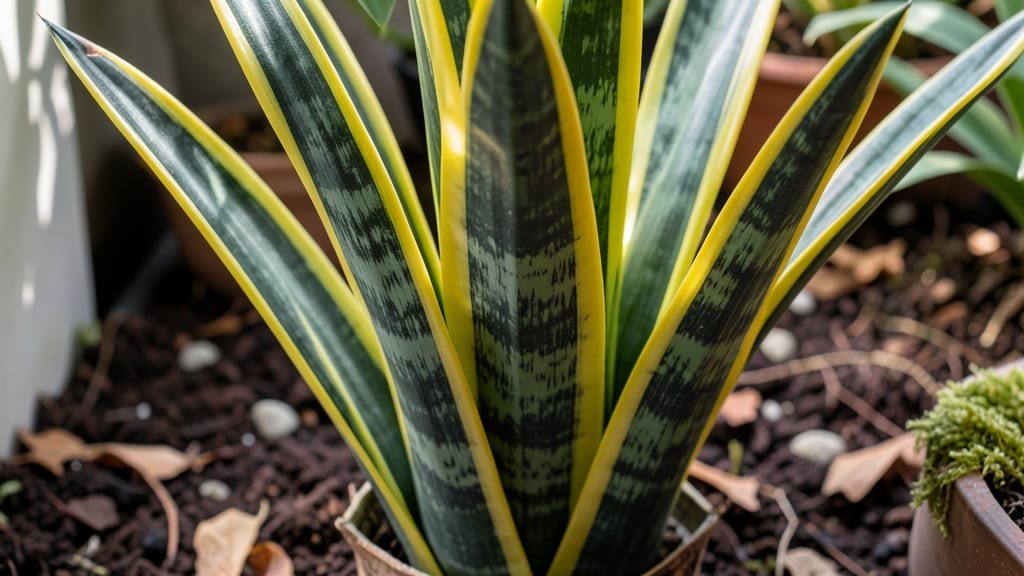
If you’ve ever glanced at your snake plant 🌱 and wondered how tall it will grow, the answer isn’t just about luck—it’s about the variety you’ve chosen and how you care for it.
Some snake plants grow tall and striking, while others stay low and bushy, making the difference between a floor-filling statement piece and a cozy shelf companion.
Understanding how tall snake plants grow starts with knowing your plant’s potential. Whether you’re dealing with a 3-foot 'Laurentii' or a 1-foot 'Moonshine,' each variety has its own growth quirks.
Light exposure, pot size, and even pruning habits play a huge role in whether your snake plant reaches its full height—or stays surprisingly short.
Here’s the good news: with the right care, you can steer your snake plant’s growth in the direction you prefer.
I’ll break down the key factors that influence height, from choosing the right pot to mastering light conditions, so you can nurture a plant that fits your space perfectly—and thrives for years to come.
Ready to discover how to control your snake plant’s height and keep it looking its best? Let’s dive into the details that make all the difference.


Snake plant height limits by variety: from compact to towering
Snake plants (Sansevieria) are famous for their dramatic vertical growth, but their mature height can vary dramatically depending on the specific variety. Some stay under 2 feet, while others stretch toward 4 feet—or even taller with ideal conditions.
Understanding these differences helps you choose the right plant for your space and care routine.
Most snake plants grow slowly but steadily, adding 6-12 inches per year under optimal conditions. However, light exposure, pot size, and variety play the biggest roles in determining final height.
For example, the compact 'Hahnii' variety rarely exceeds 1 foot, while the tall 'Futura Superba' can reach 4 feet or more.
If you’re working with limited ceiling space, dwarf varieties like 'Moonshine' or 'Black Gold' are ideal—they top out around 1.5-2 feet. Meanwhile, standard varieties like 'Laurentii' or 'Twisted Sister' will need at least 3 feet of vertical clearance to thrive.
Here’s a quick reference for common snake plant varieties and their mature height ranges:
| Variety | Mature Height Range | Growth Habit | Space Needs |
|---|---|---|---|
| Sansevieria trifasciata 'Laurentii' | 2–4 ft | Upright, bushy | 3+ ft ceiling height |
| Sansevieria 'Moonshine' | 1.5–2.5 ft | Compact, rosette | Shelf or tabletop |
| Sansevieria 'Futura Superba' | 3–5 ft | Tall, slender | 4+ ft ceiling height |
| Sansevieria 'Hahnii' (Bird’s Nest) | 1–1.5 ft | Low, spreading | Shelf or hanging basket |
| Sansevieria 'Black Gold' | 2–3 ft | Upright, broad leaves | 2.5+ ft clearance |
For indoor growers, ceiling height is the biggest limiting factor. If your snake plant is topping out at 3 feet but you’d prefer it shorter, pruning or repotting can encourage bushier, more compact growth.
Conversely, if you’re growing outdoors in USDA Zone 9 or warmer, some varieties can exceed 4 feet with ample sunlight.
Pro tip: Measure your plant’s height every 6 months to track growth patterns. If it’s stretching toward the light (a sign of etiolation), adjust its position to prevent leggy, weak stems. Most snake plants slow their vertical growth once they reach maturity, typically around 3–5 years old, but they’ll continue producing new leaves at the base.
If you’re new to snake plants, start with a dwarf variety like 'Moonshine' to test your care skills before committing to a taller specimen. These plants are forgiving, but their height potential is directly tied to the variety you choose and the conditions you provide. 🌱
How care affects snake plant growth height: light, pot size, and pruning
Your snake plant’s height potential isn’t set in stone—it’s heavily influenced by how you care for it. Light exposure, pot size, and pruning habits can turn a compact 1-foot variety into a towering 4-foot giant or keep it neatly contained.
Let’s break down how each factor plays a role in your plant’s vertical growth trajectory.
First, light exposure is the biggest game-changer. Snake plants grown in bright indirect light (like an east-facing window) will grow taller and leaner as they stretch toward light sources.
In contrast, placing your plant in low-light conditions slows vertical growth but may result in shorter, bushier foliage. The trade-off? Darker leaves and slower overall growth.
Here’s the kicker: direct sunlight can scorch leaves, causing stress that stunts growth entirely. If you notice brown tips or sunburn marks, move your plant back 2-3 feet from the window. Balance is key—your goal is bright but filtered light for steady, healthy growth without excessive stretching.
Snake plants are root-bound resilient, but confined roots signal the plant to stop growing vertically. If your plant’s height plateaus despite good light, it’s likely pot-bound. Repot into a container 2-3 inches wider to encourage new root growth and upward expansion.
Next, pot size directly impacts height. Snake plants in small pots (like 6-inch containers) will grow shorter and denser because their roots can’t spread. For taller varieties like Sansevieria 'Futura Superba', use a 12-16 inch pot to support their mature height of 3-4 feet.
Pro tip: Terracotta pots help regulate moisture, reducing the risk of root rot, which can halt growth entirely.
Finally, pruning is your secret weapon for controlling height. Regularly trimming overly long leaves (cutting just above a leaf node) encourages bushier growth and prevents your snake plant from becoming a top-heavy tower.
For varieties like Sansevieria 'Moonshine', which max out at 2-3 feet, pruning every 6-12 months keeps them manageable. Just avoid cutting more than 1/3 of the leaf at once to prevent shock.
Troubleshooting stunted growth? Check for root rot (yellowing leaves) or nutrient deficiencies (pale foliage). A balanced fertilizer (like 10-10-10) applied in early spring can jumpstart growth if your plant is otherwise healthy. With the right care, your snake plant’s height will reflect its genetic potential—not just luck.