
How To
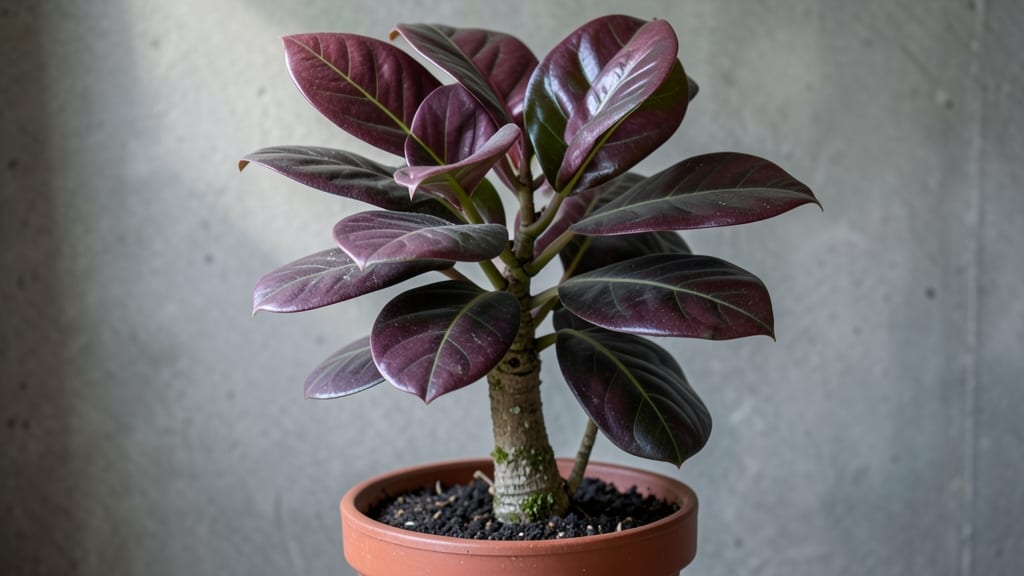
If you're curious about how tall does rubber plant grow, you might be surprised to learn these striking 🌿 plants can become your home's unexpected skyscrapers—reaching heights of 6 to 10 feet indoors without proper care.
That's taller than most kitchen counters, and if you're not prepared, your ceiling might become the new limit!
The good news? You don’t have to live with a jungle-like plant towering over your living room. With the right techniques—like strategic pruning and understanding light needs—you can keep your rubber plant at a more manageable 3 to 6 feet, perfect for shelves or side tables.
Whether you love the dramatic look of a tall specimen or prefer a compact, bushy plant, the choice is yours.
But here’s the thing: growth isn’t just about height. The way you care for your rubber plant—from watering habits to sunlight exposure—plays a huge role in how it develops. Too much light can stretch it out, while too little might stunt its growth entirely.
I’ll show you exactly how to balance these factors so your plant stays healthy and at your ideal height.
Ready to take control? Let’s dive into the secrets of managing your rubber plant’s growth, so you can enjoy its lush leaves without the unexpected vertical takeover.
You’ll learn when to prune, how to train it, and where to place it for the perfect size—whether you want a floor-filling statement piece or a cozy tabletop companion.


Natural height limits of rubber plants indoors (with and without pruning)
Your rubber plant (Ficus elastica) is a natural climber that can reach impressive heights indoors—typically between 3 to 10 feet—if left unpruned. Without intervention, these plants grow vertically, sending up new leaves and elongating stems to dominate your space.
The average indoor height for mature rubber plants falls between 6 to 8 feet, but some varieties, like the Black Prince or Burgundy, may grow taller under ideal conditions.
Outdoors, rubber plants can tower even higher—up to 30 feet in tropical climates—since they’re not constrained by ceiling heights. Indoors, however, their growth is influenced by light exposure, pot size, and pruning habits.
For example, a rubber plant in a small pot with limited light may only reach 3 to 4 feet, while one in a large container with bright indirect light could stretch toward the ceiling in just a few years.
Here’s how different conditions affect your rubber plant’s height:
| Factor | Slow-Growth Height (3-5 yrs) | Fast-Growth Height (3-5 yrs) |
|---|---|---|
| Light Conditions | 3–5 ft (low light) | 6–10 ft (bright indirect) |
| Pot Size | 3–4 ft (small pot) | 8–10 ft (large pot) |
| Pruning Frequency | 5–6 ft (no pruning) | 3–4 ft (regular pruning) |
| Variety | 3–5 ft (dwarf varieties) | 8–10 ft (standard varieties) |
If you’re growing a standard rubber plant like the Robusta or Tineke, expect it to grow 1–2 feet per year without pruning. In contrast, dwarf varieties like Roxy or Annie stay compact at 3–5 feet even with minimal care.
The key to controlling height lies in understanding these growth triggers and adjusting your care routine accordingly.
For example, if your rubber plant is stretching toward the light with long, leggy stems, it’s a sign it needs more bright indirect light or a larger pot to support its roots.
Conversely, if you want to limit height, prune the top growth in spring or early summer to encourage bushier, fuller growth. This technique is especially useful if your rubber plant is outgrowing its current space.
Another factor to consider is the age of your plant. Young rubber plants grow more slowly, adding only 1–2 feet per year in their first few years. By year three, however, growth accelerates, and you’ll notice 3–4 feet of new height annually if left unchecked.
This rapid growth phase is why so many gardeners prune their rubber plants—it’s the easiest way to manage height and keep the plant at a desirable size.
Pro tip: If you’re concerned about your rubber plant becoming too tall, start pruning when it reaches 4–5 feet. This encourages the plant to branch out and grow wider rather than taller.
Just be sure to use sterilized pruning shears and propagate the cuttings to grow new plants—a great way to expand your rubber plant collection without spending a dime!
One common misconception is that rubber plants grow slower in winter. While growth does slow down during the dormant season (fall/winter), they don’t stop growing entirely.
If you notice new leaves appearing in winter, it’s a sign your plant is still active, and you may need to adjust your pruning schedule to avoid over-trimming.
For those with ceiling-height concerns, consider training your rubber plant to grow horizontally using a trellis or moss pole. This method not only controls height but also adds an interesting visual element to your space.
Just attach the pole near the plant and gently tie the stems to guide growth upward or sideways.
🌿
Natural height limits of rubber plants indoors (with and without pruning)
Your rubber plant (Ficus elastica) is a natural tower indoors, capable of reaching 6–10 feet tall without pruning. In ideal conditions—bright indirect light, well-draining soil, and regular feeding—these plants grow aggressively, especially in their first 3–5 years.
The variegated varieties like 'Tineke' or 'White Princess' may grow slightly slower but still hit 5–8 feet.
Outdoor rubber plants, however, can dwarf their indoor counterparts. In USDA Zones 9–11, they thrive as shrubs reaching 10–15 feet, but indoors, their height is more manageable with proper care. The key difference? Outdoor plants have unlimited vertical space, while indoor plants hit ceilings or outgrow their containers.
🌿
Light is the #1 factor controlling height. Place your rubber plant near an east or north-facing window for bright indirect light, which slows vertical growth and encourages thicker foliage.
Low-light conditions (like a dim corner) force the plant to stretch toward light, creating leggy, weak stems that grow 30–50% taller than ideal.
Pot size also plays a role. A root-bound rubber plant in a small container will focus energy on height, while a larger pot (1–2 sizes up) encourages wider growth. If you notice roots circling the drainage hole, it’s time to repot in spring to curb excessive height.
🌱
Even with perfect care, some rubber plant varieties naturally stay shorter. Dwarf types like 'Black Prince' max out at 3–5 feet, while standard varieties like 'Robusta' can easily top 10 feet.
The trick? Prune in early spring to shape growth and propagate cuttings for new plants. This not only controls height but also gives you free mini rubber plants!