
How To
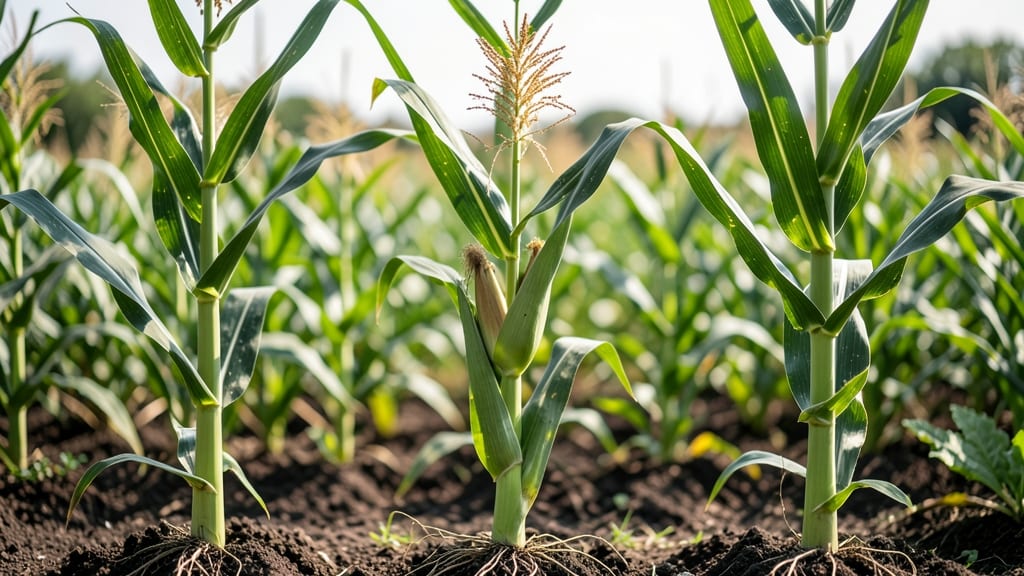
Ever wondered how tall does corn plant grow in your backyard and whether your garden has enough space for those towering 🌽 stalks? The answer might surprise you—some varieties stretch taller than you think, while others stay surprisingly compact, making all the difference in your harvest.
If you're planning a spring garden in USDA Zone 6a, knowing the exact height range of your corn variety is key to avoiding overcrowding or wasted space. Whether you're growing sweet corn for dinner or field corn for seeds, proper spacing ensures strong stalks and bigger ears.
Let’s break down the heights by type and what you can do to optimize your planting.
From dwarf varieties that stay under 6 feet to monster stalks reaching 10 feet, corn height varies wildly depending on the type. Some even need support to stand upright!
I’ll share which varieties fit small gardens and how to tell if your corn is getting the right care to reach its full potential.
Ready to plan your corn patch like a pro? You’ll learn how to choose the right variety for your space, spot early signs of stunted growth, and even support tall stalks without sacrificing yield. Let’s get growing!


Corn plant height by variety: exact growth ranges for common types
Corn isn’t one-size-fits-all when it comes to height—some varieties stay short and bushy, while others shoot up like skyscrapers. Knowing the exact height range of your corn helps you plan spacing, support structures, and even garden layout.
For example, sweet corn like 'Silver Queen' typically reaches 6-8 feet, while field corn varieties like 'Country Gentleman' can tower up to 10 feet or more.
Ornamental corn, such as 'Golden Bantam', is a favorite for small gardens because it maxes out at 5-6 feet, making it perfect for containers or tight spaces. Meanwhile, dwarf corn varieties like 'Tom Thumb' stay under 4 feet, ideal for urban gardeners or balcony planters.
If you're growing corn for silage or livestock feed, expect taller stalks—often 8-10 feet—to maximize yield.
Here’s the key difference: Sweet corn varieties prioritize ear size over height, while field corn and ornamental types focus on stalk strength or visual appeal. Your choice directly impacts how much space you’ll need and whether you’ll need to stake or trellis your plants.
| Variety | Type | Height Range | Best For | Spacing Needs |
|---|---|---|---|---|
| Golden Bantam | Ornamental | 5-6 ft | Small gardens, containers | 12-18 inches apart |
| Silver Queen | Sweet Corn | 6-8 ft | Home gardens, fresh eating | 12-15 inches apart |
| Peaches & Cream | Sweet Corn | 8-10 ft | Large gardens, high yield | 15-18 inches apart |
| Country Gentleman | Field Corn | 10-12 ft | Silage, livestock feed | 18-24 inches apart |
| Tom Thumb | Dwarf Sweet Corn | 3-4 ft | Containers, urban gardens | 8-12 inches apart |
If you’re growing corn in containers or small spaces, dwarf varieties like 'Tom Thumb' are a game-changer. They mature quickly and don’t require the same spatial commitment as their taller cousins.
For large gardens or farms, field corn varieties like 'Country Gentleman' deliver the biggest yield but need ample space and support to avoid lodging (when stalks bend or fall over).
Pro tip: Check the seed packet for mature height estimates—this is your best guide. Some heirloom varieties, like 'Black Aztec,' can exceed 10 feet, so always plan ahead for their towering presence. If you’re unsure, start with a mix of heights to test what works best in your garden.
Height isn’t just about space—it also affects pollination success. Taller corn varieties benefit from cross-pollination with neighboring plants, while dwarf varieties might need hand-pollination if grown in isolation. This is especially important if you’re saving seeds or growing for organic certification.
For small gardens or urban plots, consider interplanting corn with shorter companions like beans or lettuce. The corn provides shade, while the shorter plants use the space efficiently. Just avoid planting corn near potatoes or tomatoes, as they compete for nutrients and can stunt growth.
One common mistake is assuming all corn grows the same height. Sweet corn and field corn have different genetic traits that influence stalk strength and height. For instance, 'Peaches & Cream' might reach 10 feet in ideal conditions, but poor soil or drought can reduce it to 7-8 feet
Factors that determine how tall your corn will grow
Did you know that the height of your corn plants isn’t just down to the variety you pick? While some corn types naturally grow taller than others, factors like sunlight exposure, soil fertility, and watering habits can push those stalks even higher—or keep them shorter than expected.
For example, a Peaches & Cream variety might reach 10 feet with ideal care, but neglect could leave it struggling at just 7 feet. Let’s break down what truly controls your corn’s height.
First, sunlight is non-negotiable for tall corn. Corn needs at least 6-8 hours of direct sun daily, but full sun (8+ hours) is where those towering stalks really shine. Shade-loving plants? Not corn.
Even a slight dip in sunlight can stunt growth, leaving you with stunted stalks and fewer ears. If your garden gets partial shade, consider dwarf varieties like 'Golden Bantam', which max out at 5-6 feet and tolerate less sun better.
Next, soil fertility plays a huge role. Corn is a heavy feeder, and nitrogen-rich soil fuels rapid vertical growth. If your soil lacks nutrients, your corn might invest energy in leafy growth instead of height. A quick soil test can reveal deficiencies—look for low nitrogen (N) or phosphorus (P) levels.
Amend with compost or a balanced fertilizer (10-10-10) before planting. Pro tip: Side-dress with aged manure or compost when plants are 6 inches tall to give them a mid-season boost.
Watering consistency is another game-changer. Corn plants need 1-2 inches of water per week, especially during tasseling and ear development. Uneven watering can cause uneven growth, where some stalks stretch too tall while others lag behind.
Deep watering in the morning (before 10 AM) reduces evaporation and fungal risks, ensuring steady upward growth. If your soil stays too dry, roots struggle to support tall stalks, leading to lodging (falling over)—a nightmare for tall varieties like 'Country Gentleman'.
Finally, plant spacing affects how much each stalk can grow. Corn plants compete for nutrients, and overcrowding forces them to grow taller and thinner to reach sunlight. The rule of thumb? Space rows 30-36 inches apart and thin seedlings to 8-12 inches apart in the row.
If you’re growing tall varieties (8+ feet), give them extra room—up to 14 inches apart—to prevent stalks from leaning or breaking under their own weight.
Here’s a quick