
How To
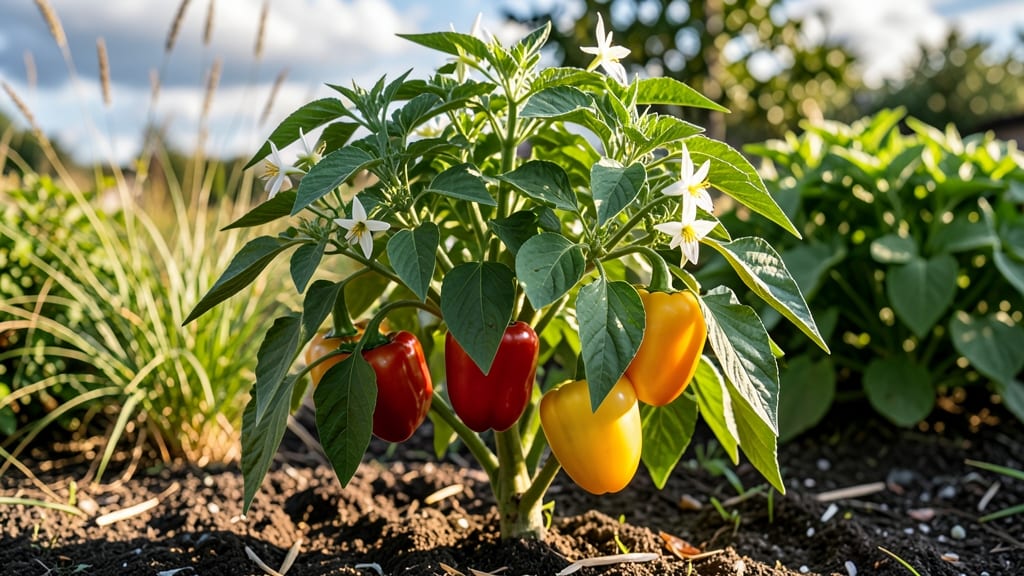
If you're planning your garden this spring, knowing how tall bell pepper plants grow could make or break your layout strategy. These vibrant 🌶️ plants might surprise you—they can range from compact 18-inch dwarfs to towering 4-foot giants, depending on the variety and growing conditions.
For most home gardeners in Zone 6a, standard bell peppers typically reach 2-3 feet at maturity, making them perfect for containers or small plots. But if you're growing larger varieties like 'Sweet Banana,' you might need to allocate more space—or plan for trellising to save room.
What you'll discover here is how to predict your bell pepper's height based on its type, plus practical tips to control growth when space is limited. Whether you're a beginner or a seasoned gardener, these insights will help you maximize your harvest without sacrificing valuable garden real estate.
The key? Understanding the factors that influence height—from pruning techniques to sunlight exposure—and how to adapt them to your growing setup. Let's get started with the varieties that will fit (or fill!) your garden perfectly.


Bell pepper plant height by variety: compact to towering options
Bell pepper plants typically grow between 18 and 36 inches at maturity, but their height can vary significantly depending on the variety and growing conditions. Some dwarf varieties stay under 2 feet, while larger heirlooms can reach nearly 4 feet.
Knowing your plant's potential height helps you plan for support structures or container sizes before planting.
For example, popular sweet bell pepper varieties like 'California Wonder' grow 3-4 feet tall, while hot varieties such as 'Jalapeño' often max out around 2-3 feet. Dwarf varieties like 'Snackable' or 'Mini Bell' stay compact at 1-2 feet, making them ideal for container gardens or small spaces.
🌱
When choosing a variety, consider your garden layout and available space. Dwarf varieties are perfect for container gardening or urban balconies, while taller types thrive in in-ground beds or when trained on trellises.
For example, 'Big Jim' can grow 4 feet tall but benefits from staking to prevent stem breakage under heavy fruit loads.
If you're growing bell peppers in containers, opt for bush-type varieties or prune standard types to keep them under 2 feet. A 5-gallon pot can comfortably accommodate a dwarf variety, while larger containers (10+ gallons) are needed for taller plants.
Always ensure containers have drainage holes to prevent root rot.
For in-ground planting, space plants 18–24 inches apart to allow airflow and reduce disease risk. Taller varieties may need cage supports or trellis training to maximize vertical space.
For instance, 'Monarch' peppers grow 3–4 feet tall and produce large, colorful fruits, making them a great choice for vertical gardening.
🌿
Another factor to consider is the growth habit of your chosen variety. Some bell peppers grow bushy and compact, while others develop long, vine-like stems.
For example, 'Sweet Banana' peppers grow 2–3 feet tall with a spreading habit, while 'Fish Pepper' varieties can grow taller and leaner. Understanding these differences helps you plan for support structures or companion plants.
If you're new to growing bell peppers, start with a mix of heights to test what works best in your space. For example, plant a dwarf variety in a container on your patio and a standard variety in your garden bed.
This way, you can compare their growth habits and fruit production side by side.
🪴
Factors that influence bell pepper plant height (and how to control it)
Your bell pepper's final height isn't set in stone—it's shaped by a mix of genetics, growing conditions, and your cultivation choices.
While variety determines the baseline (like 'Big Jim' reaching 4 feet naturally), factors like pruning, sunlight exposure, and nutrient balance can push plants taller or keep them compact.
Understanding these levers lets you tailor growth to your space, whether you need to limit height in containers or encourage vertical growth in ground beds.
For example, I've seen Jalapeño plants grow 20% taller when given extra nitrogen early in the season, while the same variety stayed under 2 feet when pruned aggressively. The key is balancing these factors to meet your garden's needs without sacrificing fruit production or plant health.
Let's break down the most impactful elements and how to work with them.
🌱
- 🌞 Sunlight Exposure: Bell peppers need 6-8 hours of direct sun daily to reach their full height potential. Partial shade can stunt growth by 15-25%, while full sun encourages taller, bushier plants. In Zone 6a, south-facing gardens maximize sunlight exposure.
- 🪴 Container Size: Root-bound plants grow 30% slower in containers that are too small. Use 5-gallon pots for dwarf varieties and 10+ gallon containers for standard types. Always include drainage holes to prevent root rot, which can further limit growth.
- ✂️ Pruning Techniques: Regular pruning can reduce height by 20-40%. Remove suckers (side shoots) to direct energy to fruit production, or top prune to limit overall height. For example, pruning 'California Wonder' at 2 feet keeps it manageable for containers.
- 💧 Watering Schedule: Consistent moisture is critical—underwatering stunts growth, while overwatering can cause leggy, weak stems. Water deeply every 2-3 days in summer, focusing on the soil base to encourage strong root development.
- 🌿 Soil Nutrients: A balanced fertilizer (10-10-10 NPK) promotes steady growth, but too much nitrogen can lead to excessive foliage at the expense of fruit. Side-dress with compost every 4-6 weeks for a slow-release nutrient boost.
One of the most effective ways to control height is through pruning. I recommend starting pruning when plants reach 12 inches tall to shape their growth early. For container gardening, pinch off the top set of leaves to encourage bushier growth and prevent legginess.
In ground beds, you can prune more aggressively to keep plants under 3 feet, which is ideal for small-space gardens.
Another often-overlooked factor is temperature. Bell peppers thrive in 70-85°F soil temperatures. If your garden experiences heatwaves above 90°F, growth may slow or stop until temperatures cool. In Zone 6a, providing afternoon shade during peak summer months can help maintain steady growth without stunting the plant.
For gardeners with limited vertical space, trellising is a game-changer. By training taller varieties like 'Monarch' or 'Big Jim' on a trellis or cage, you can grow them in smaller footprints while still harvesting large yields.
Just ensure your support structure is sturdy enough to handle the weight of heavy pepper fruits—some varieties can produce 50+ peppers per plant!
🪴 If you're growing bell peppers in containers, choose varieties with compact growth habits like 'Snackable' or 'Mini Bell.' These stay under 2 feet even without pruning, making them perfect for balcony gardens or windowsill setups.
For taller varieties, prune regularly and use dwarfing techniques like root restriction (planting in smaller pots) to keep them manageable.