
How To
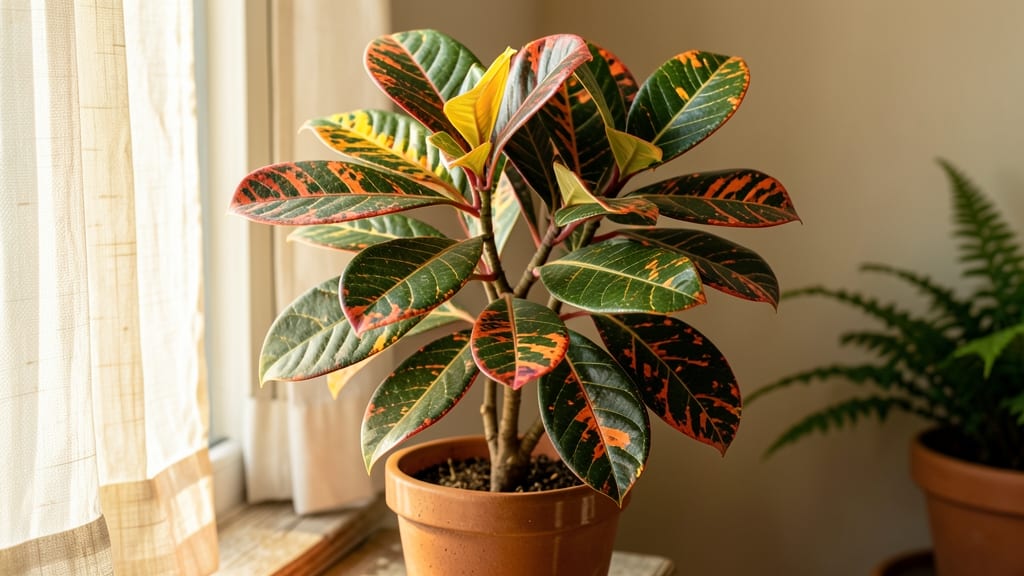
If you’ve ever wondered how tall a croton plant can grow and whether your 🌿 will stay a manageable tabletop size or stretch toward the ceiling, the answer depends on more than just luck—it’s all about the variety and how you care for it.
Some crotons barely reach waist height, while others can grow tall enough to rival your bookshelf. The key lies in choosing the right type for your space and giving it the right conditions to thrive—or stay compact.
Whether you’re dealing with a dwarf variety or a fast-growing standard, understanding these growth patterns will help you shape your plant’s future.
From the Gold Dust croton, which typically stays between 2 and 3 feet, to the towering Mammoth variety that can hit 6 feet or more, each type has its own growth habits.
Pruning and light exposure play a huge role in controlling height, so let’s break down what you need to know to keep your croton at the perfect size for your home.
Ready to learn how to guide your croton’s growth? I’ll walk you through the best varieties for small spaces, how to prune for bushier growth, and the common mistakes that can turn a manageable plant into a vertical jungle.


Croton plant height by variety: from compact dwarfs to towering giants
Croton plants (Codiaeum variegatum) are famous for their vibrant foliage, but their height varies dramatically depending on the variety and growing conditions. Some stay small enough for a windowsill garden, while others can become floor-standing shrubs.
Let's explore the height ranges of popular crotons to help you choose—or manage—the perfect size for your space.
First, know that indoor crotons typically grow 20-50% smaller than outdoor varieties due to limited sunlight and space. Outdoor crotons thrive in USDA Zones 10-11 and can reach their full mature height with proper care. Even in containers, some varieties will outgrow their pots if not pruned regularly.
Here’s how three iconic croton varieties compare in height, along with their ideal growing environments and space requirements:
| Variety | Indoor Height | Outdoor Height | Key Features |
|---|---|---|---|
| 'Gold Dust' | 1.5–3 ft | 3–5 ft | Compact, bushy growth; golden-yellow variegation. Ideal for small spaces or hanging baskets. |
| 'Mammoth' | 2–4 ft | 5–8 ft | Tall, upright stems; deep red and green foliage. Needs regular pruning to control height. |
| 'Petra' | 1–2 ft | 2–4 ft | Dwarf variety; silvery-pink leaves. Perfect for desk plants or terrariums. |
| 'Exotic Sunset' | 2.5–4 ft | 5–7 ft | Bold, multicolored leaves; fast grower. Requires bright light to maintain vibrancy. |
| 'Spicy Margarita' | 1.5–3 ft | 3–5 ft | Pink and green variegation; medium size. Great for indoor accents or outdoor containers. |
🌿 Pro Tip: Measure your space before buying! A 4-foot croton will need a 6-foot ceiling to avoid hitting light fixtures.
If you’re growing crotons outdoors in warmer climates, expect 20-30% taller growth compared to indoor plants. For example, a 'Mammoth' croton might hit 6-8 feet in full sun with rich, well-draining soil.
In contrast, indoor crotons often stay 2-3 feet tall unless you provide grow lights and fertile potting mix.
Light exposure is the #1 factor controlling croton height. Place your plant near a south-facing window for 6+ hours of direct sunlight—this encourages bushier, more compact growth.
Without enough light, crotons stretch toward leggy, tall stems with sparse leaves. Rotate your plant quarterly to ensure even growth on all sides.
Soil quality also plays a role. Use a fast-draining potting mix with perlite or orchid bark to prevent root rot, which can stunt growth. For outdoor crotons, amend garden soil with compost or sand to improve drainage.
Poor soil leads to slow growth and weak stems, making your croton more prone to toppling over.
For dwarf varieties like 'Petra', aim to keep them in 10-inch pots to limit height. Larger varieties like 'Mammoth' need 14-16 inch pots and annual repotting to accommodate their roots. Overcrowded roots restrict upward growth, so don’t skip this step if you want a taller, healthier plant.
One common misconception is that all crotons grow tall. In reality, many stay under 3 feet with proper care. If you love smaller plants, choose 'Gold Dust' or 'Petra'.
For a statement-making shrub, opt for 'Mammoth' or 'Exotic Sunset'—but be ready to prune regularly to keep them manageable.
🌱 Whether you’re dreaming of a miniature croton for your desk or a tall, tropical statement plant, selecting the right variety and providing optimal light and soil will determine how tall your croton grows. Next, we’ll cover pruning techniques to shape your croton’s height to your exact preferences!
How to control croton plant growth: pruning and care tips for optimal height
If you’re aiming for a bushier croton plant instead of a tall, leggy one, pruning is your best friend. I’ve found that regular pruning not only controls height but also encourages denser foliage and healthier growth.
The key is to prune at the right time and in the right way to avoid stressing your plant.
Start by trimming back leggy stems to just above a leaf node—this encourages new growth from that point. For indoor crotons, I recommend pruning in early spring to promote bushiness before the growing season peaks.
If you’re growing outdoors, late spring or early summer is ideal when the plant is actively growing.
Another game-changer is pinching back new growth. Simply pinch off the tips of young stems with your fingers to encourage branching. This method works wonders for dwarf varieties like 'Petra', keeping them compact and full. Just be sure not to overdo it—too much pruning can weaken the plant.
Light exposure also plays a huge role in controlling height. Crotons grown in low-light conditions tend to stretch toward the light, becoming tall and sparse. To keep your plant at a manageable height, place it near a south-facing window where it gets plenty of bright, indirect light.
If natural light is limited, supplement with a grow light for 12-14 hours a day.
🌱 Pro Tip: Rotate your croton every few weeks so all sides get even light exposure. This prevents uneven growth and keeps your plant balanced and compact.
Step-by-Step Pruning Guide for Crotons
- Step 1: Identify leggy stems—these are the ones stretching too tall.
- Step 2: Use clean, sharp pruners to cut just above a leaf node.
- Step 3: Remove any yellow or damaged leaves to encourage new growth.
- Step 4: Pinch back new growth tips to promote bushiness.
- Step 5: Water thoroughly after pruning to help the plant recover.
For outdoor crotons, seasonal care is crucial. In fall, reduce watering and fertilizing to prepare the plant for dormancy. This slows growth and helps maintain a manageable height over winter.
If you’re growing in a warm climate, you can continue light pruning year-round to keep the plant in check.
Finally, don’t forget to repot your croton every 2-3 years if it’s outgrowing its container. A slightly larger pot with fresh, well-draining soil gives roots room to spread, supporting healthier growth and preventing legginess.
With the right care, you can keep your croton at the perfect height—whether you want a compact tabletop plant or a taller statement piece.
☀️ Remember: Consistency is key. Regular pruning, proper light, and seasonal adjustments will keep your croton thriving at the size you want.