
Plants
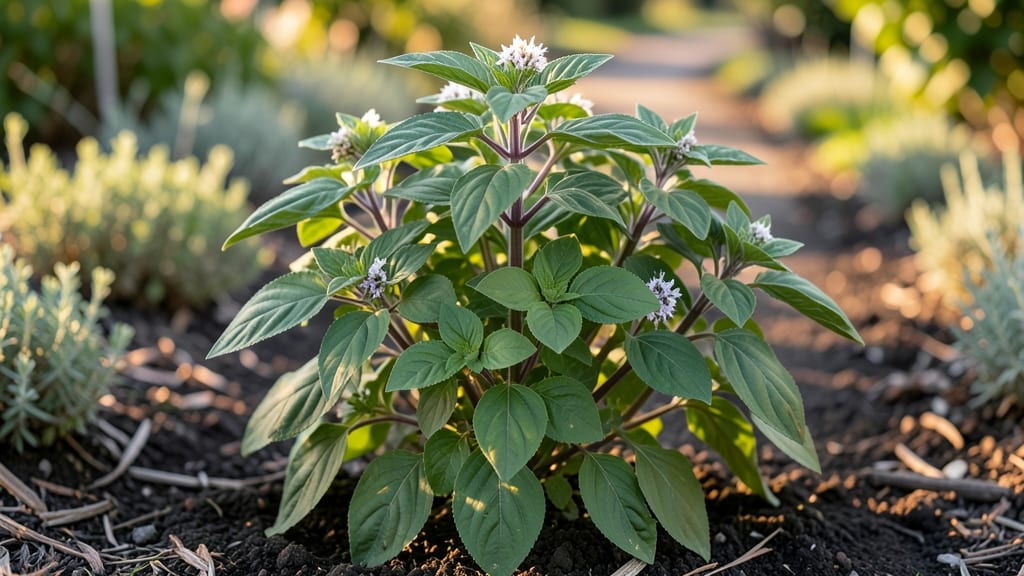
If you've ever wondered just how tall can a basil plant grow before it starts looking more like a jungle than a kitchen herb, you're not alone. That lush, fragrant 🌿 basil you dream of growing might surprise you—some varieties stay neatly compact, while others stretch skyward if left unchecked.
The secret lies in choosing the right type for your space and needs. Whether you're working with Genovese basil (the classic pizza herb) or Purple Ruffles (with striking foliage), each has its own growth habits. Some barely reach your wrist, while others can top your countertop if you're not careful.
But here's the good news: with the right pruning techniques, you can control basil's height while actually boosting leaf production. I'll show you exactly how to keep your plants at your ideal height—whether that's 12 inches for a windowsill garden or 2 feet for a full harvest.
Ready to grow basil that fits your space perfectly? Let's dive into the varieties, growth tips, and pruning secrets that will transform your herb garden from wild to wonderful.


Basil plant height by variety: compact vs. towering types
If you're growing basil for pesto or fresh salads, the last thing you want is a leggy, unruly plant towering over your garden. The good news? Basil varieties range from dwarf types at 6 inches to tall varieties reaching 24 inches.
Choosing the right variety ensures your basil stays manageable while maximizing your harvest.
Most gardeners start with Genovese basil, the classic choice for pesto, which typically grows 18-24 inches tall with proper care. But if you're short on space, dwarf varieties like 'Spicy Globe' stay compact at just 6-12 inches while still packing flavor. The key difference? Genetics and growth habits.
Here’s how popular basil varieties compare in height—and how to keep them at your desired size:
| Variety | Mature Height | Growth Habit | Best For | Pruning Tip |
|---|---|---|---|---|
| Genovese | 18-24" | Upright, bushy | Pesto, cooking | Pinch tops at 6" |
| Thai Basil | 12-18" | Compact, aromatic | Asian dishes | Light pruning |
| Purple Ruffles | 12-18" | Bushy, curly leaves | Garnishes, salads | Prune after flowering |
| Lemon Basil | 18-24" | Tall, citrusy | Tea, desserts | Harvest leaves |
| Spicy Globe | 6-12" | Dwarf, globe-shaped | Containers, windowsills | Minimal pruning |
For Genovese basil, the most popular variety, expect 18-24 inches if left unpruned. But with regular pinching, you can keep it at a manageable 12-18 inches while encouraging bushier growth. Thai and Purple Ruffles are naturally more compact, making them perfect for small gardens or pots.
If you love lemon basil for its citrusy twist, be prepared for taller growth—up to 24 inches. The secret to controlling its height? Harvest leaves frequently instead of letting it flower. This variety is also more prone to bolting (flowering), which signals the end of its productive life.
For container gardening, dwarf varieties like 'Spicy Globe' are ideal. They thrive in 6-inch pots and rarely exceed 12 inches. Even standard varieties can be kept in check with proper pruning, so don’t let height limit your choices!
Pro tip: If you’re growing basil indoors near a south-facing window, expect slightly slower growth (around 12-18 inches) compared to outdoor plants. Supplement with a grow light if your basil starts stretching toward the window—a sign it’s reaching for more light.
Remember, the healthier your basil, the more it’ll focus on leaf production rather than height. A well-pruned plant stays bushier and more productive than a tall, leggy one. Start with the right variety, and you’ll have perfect-sized basil for your needs.
Why some basil plants grow tall: environmental factors explained
If your basil seems to grow taller than expected, don't blame the plant—blame the environment. Basil plants naturally respond to their surroundings, and certain conditions can trigger rapid vertical growth. Understanding these factors helps you control height while keeping your plants healthy and productive.
The most critical factor is sunlight exposure. Basil plants crave 6+ hours of direct sun daily, but too little light causes them to stretch toward any available source.
This leggy growth isn't just unsightly—it weakens stems and reduces leaf quality. If your basil is reaching for the sky, it's likely starving for light.
Another common culprit is container size. Basil in pots that are too small will grow tall and spindly as roots compete for space. Always use containers with at least 12 inches of depth and provide drainage holes to prevent root-bound stress that triggers height spikes.
Soil nutrients also play a role—especially nitrogen levels. While nitrogen promotes leafy growth, too much can cause rapid, weak stem elongation. Use a balanced fertilizer (10-10-10) sparingly, and avoid over-fertilizing, which leads to leggy, tall plants with poor flavor.
⚠️ Common Mistake: Overcrowding
Plants competing for resources grow tall and weak. Space basil 12-18 inches apart in garden beds or use one plant per 6-inch pot to prevent height spikes from competition.
💡 Fix it: Thin seedlings early or transplant crowded plants to larger containers.
Temperature extremes also affect height. Basil thrives in 70-80°F conditions. Too much heat (above 90°F) or cold drafts can stunt growth or cause erratic height spikes. If your basil is growing in inconsistent conditions, it may struggle to maintain steady height.
Finally, watering habits impact growth patterns. Inconsistent moisture causes stress that triggers rapid vertical growth as the plant seeks stability. Water deeply every 2-3 days (or daily in extreme heat) to maintain even growth and prevent legginess.
By addressing these environmental factors, you can keep your basil at your desired height while maximizing leaf production. The key is balance—provide consistent light, proper spacing, and steady care to encourage bushy, manageable plants.