
Plants
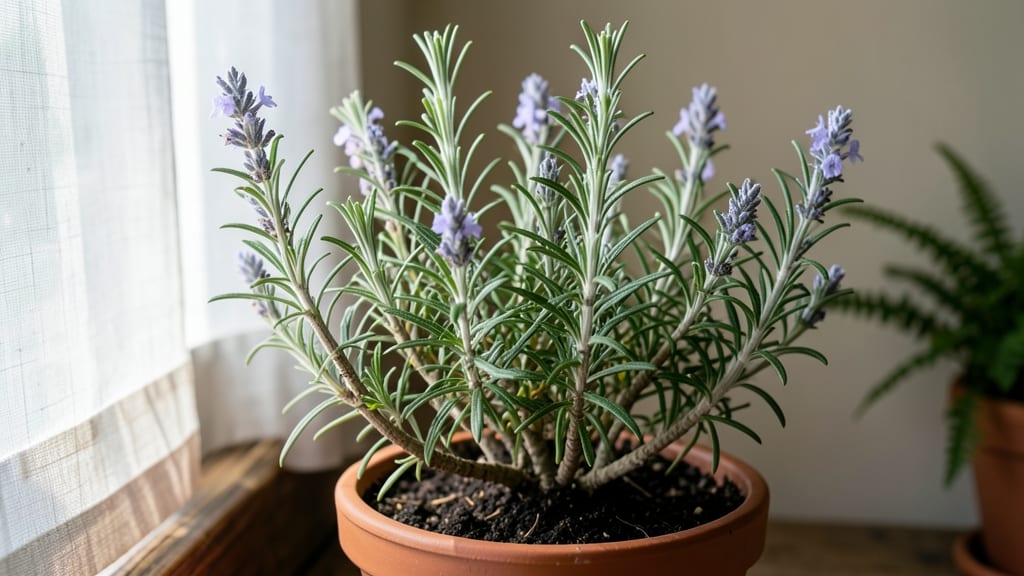
Wondering how tall does a rosemary plant grow before it becomes a space hog in your garden? The answer might surprise you—some varieties stay small enough for pots, while others reach shrub-like heights that need room to stretch their legs.
Your rosemary's ultimate size depends on its variety, with dwarf types like 'Blue Spires' topping out around 1-2 feet, perfect for windowsills or small containers.
On the other hand, standard varieties such as 'Tuscan Blue' can soar to 4-6 feet when given the right conditions, making them ideal for hedges or border plantings.
But here's the game-changer: how you care for it makes all the difference. Pruning regularly keeps rosemary compact and bushy, while neglect can turn it into a leggy, sprawling mess.
Even in USDA Zone 6a, with proper sunlight and minimal watering, you can control its growth to fit your space—whether that's a tiny herb garden or a sprawling landscape.
Let's break down the exact heights by variety and share the simple care tips to keep your 🌿 rosemary at your desired size, so you can enjoy its piney fragrance without the overgrowth headaches. Ready to learn how?


Rosemary plant height by variety: compact vs. tall options
Rosemary plants can range from dwarf varieties perfect for windowsills to tall shrubs that make stunning hedges. The difference often comes down to genetics and growing conditions. For example, Tuscan Blue rosemary typically reaches 3–5 feet, while Arp stays under 2 feet—ideal for containers.
Choosing the right variety ensures your rosemary fits your space and purpose, whether it’s a kitchen herb garden or a landscape border.
Most rosemary plants grow 3–6 feet tall at maturity, but their shape varies. Some varieties like Hill Hardy grow upright and bushy, while others like Prostratus spread horizontally, making them perfect for ground cover. Understanding these differences helps you plan your garden layout and avoid overcrowding.
If you’re working with limited space, dwarf rosemary varieties like Blue Spires or Irene are excellent choices. These stay under 2 feet tall and thrive in pots, making them ideal for balconies or patios.
For larger gardens, standard varieties like Rosemary officinalis can grow up to 6 feet, providing plenty of foliage for cooking and decor.
| Variety | Height Range | Growth Habit | Best For |
|---|---|---|---|
| Tuscan Blue | 3–5 ft | Upright, bushy | Hedges, borders |
| Arp | 1.5–2 ft | Compact, rounded | Containers, windowsills |
| Hill Hardy | 2–4 ft | Cold-hardy, upright | Cold climates, borders |
| Prostratus | 1–2 ft (spreading) | Trailing, ground cover | Rock gardens, slopes |
| Blue Spires | 1–2 ft | Narrow, upright | Small spaces, containers |
When selecting rosemary for your garden, consider both height and spread. For example, Tuscan Blue spreads 3–4 feet wide, while Prostratus can spread up to 6 feet wide but stays low.
This ensures you’re not just choosing based on height but also how the plant will fill your space over time.
For container gardening, dwarf varieties are the best choice. They thrive in pots as small as 12 inches wide, making them perfect for balconies or patios. Larger varieties may need 18-inch or larger containers to accommodate their root systems and prevent overcrowding.
If you’re using rosemary as a hedge or border plant, taller varieties like Tuscan Blue or Hill Hardy are ideal. These can be pruned to maintain a uniform height, creating a fragrant, evergreen barrier that adds texture and aroma to your landscape.
Climate also plays a role in rosemary height. In warmer climates, rosemary tends to grow taller and bushier, while in cooler regions, varieties like Hill Hardy stay more compact. This adaptability makes rosemary a versatile choice for gardens across USDA zones 7–10.
Whether you’re growing rosemary for culinary use, ornamental purposes, or both, choosing the right variety ensures you get the height and shape you want.
With the right care, even dwarf varieties can produce plenty of fragrant needles for your kitchen, while taller varieties add structure and beauty to your garden.
Remember, rosemary’s height isn’t set in stone—pruning and care can influence how tall (or short) your plant grows. Next, we’ll explore how to manage rosemary height with simple pruning techniques and care tips.
How to control rosemary height: pruning and care tips for optimal growth
If your rosemary is reaching for the sky faster than you’d like—or staying stubbornly small—don’t worry! With the right pruning techniques and care habits, you can shape your rosemary to fit your space perfectly.
The key is understanding when and how to trim, plus a few simple adjustments to sunlight and watering that make all the difference.
Rosemary thrives on regular pruning, which encourages bushier growth and prevents leggy stems. Think of it like giving your plant a haircut—too little, and it grows wild; too much, and you stunt its progress.
Aim to prune 2-3 times per year, focusing on shaping in early spring and light trims after harvests to maintain your desired height.
Here’s the secret: prune just above a leaf node (where leaves meet the stem) to encourage new growth. Avoid cutting into old, woody stems, as rosemary struggles to regrow from there.
For dwarf varieties, a light trim every 4-6 weeks keeps them tidy, while taller types benefit from deeper cuts in spring to promote fuller branching.
🌿 Step-by-Step Pruning Guide for Rosemary
- Step 1: Wait until spring or after harvest to prune.
- Step 2: Use clean, sharp pruning shears to avoid tearing stems.
- Step 3: Trim back 1/3 of the plant’s height for a fuller shape.
- Step 4: Cut just above a leaf node to encourage new growth.
- Step 5: Remove any dead or yellowing stems first for better airflow.
Sunlight is another game-changer for height control. Rosemary craves full sun—at least 6-8 hours daily—but too much scorching heat can stress the plant, leading to stunted growth.
If your rosemary is in a container, place it near a south-facing window or move it outdoors during peak sunlight hours. In hot climates, provide light afternoon shade to prevent leaf burn while still encouraging upright growth.
Watering might seem counterintuitive, but rosemary’s drought tolerance is a double-edged sword. Overwatering leads to weak, leggy stems, while underwatering can stunt growth entirely. Stick to deep watering every 7-10 days (or more frequently in containers) and let the soil dry out completely between waterings.
A well-draining soil mix with sand or gravel prevents root rot, keeping your rosemary strong and compact.
For container-grown rosemary, choose pots with drainage holes and avoid overcrowding. Root-bound plants grow slower and may become leggy as they stretch for space. Repot every 2-3 years or when roots circle the pot’s bottom.
If you’re growing rosemary as a hedge or border, space plants 3-4 feet apart to allow airflow and prevent overgrowth.
With these simple adjustments, your rosemary will grow to your exact height preference—whether you want a bushy 2-foot windowsill herb or a 6-foot fragrant hedge. The key is consistency: prune regularly, water wisely, and give it plenty of sunlight.
Your rosemary will reward you with lush, aromatic foliage year after year! 🪴