
How To
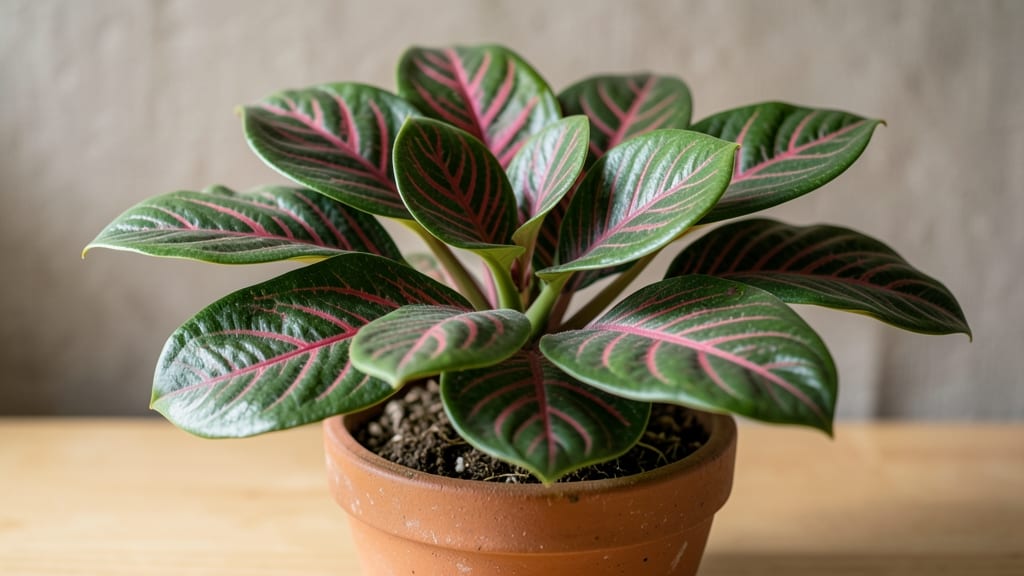
If your Prayer Plant 🌿 needs the right amount of light to keep its stunning variegation, the culprit might be its light exposure—too little dims those vibrant patterns, while too much can scorch delicate leaves.
Getting the balance right is the key to keeping your plant thriving and showcasing its signature marbled beauty.
Most people assume these tropical beauties need bright light, but the truth is more nuanced. Your Prayer Plant actually prefers bright indirect light, like what you’d find near an east-facing window. Direct sun can be harsh, while low light causes the leaves to stretch and lose their striking contrast.
In this guide, I’ll break down exactly how much light your Prayer Plant needs to maintain its vibrant foliage, plus how to spot signs of light stress. Whether you’re dealing with faded patterns or drooping leaves, you’ll learn how to adjust your plant’s environment for perfect growth.
Ready to bring back that show-stopping variegation? Let’s dive into the ideal lighting conditions and troubleshooting tips that will transform your plant care routine.

Understanding prayer plant light requirements: bright indirect light explained
Prayer plants (Maranta leuconeura) thrive best under bright indirect light, mimicking their natural understory habitat. This delicate balance prevents leaf scorch while maintaining the striking variegation that makes them so popular.
Too little light dulls their patterns, while too much causes brown patches or crispy edges—both signs of stress.
Think of their ideal light as dappled sunlight filtering through trees. A north-facing window or east-facing window 2-3 feet away provides perfect conditions. South-facing windows can work, but you’ll need to filter the light with sheer curtains to avoid harsh rays.
The variegated leaves contain less chlorophyll than green leaves, so they rely on balanced light exposure to stay vibrant. Without enough light, the plant stretches toward sources in a condition called etiolation, producing long, weak stems and pale foliage. This is your plant’s way of begging for more light!
On the opposite end, direct afternoon sun (especially after 12 PM) can burn leaves within hours. The white or pink variegation acts like a sunscreen, but it’s not foolproof. Watch for yellowing edges or brown spots—these are red flags that your prayer plant is getting too much intensity.
| Light Condition | Effect on Prayer Plant | Solution |
|---|---|---|
| Low Light (<30%) | Pale leaves, stretched stems, lost variegation | Move to bright indirect light or use a grow light 6-8 inches away |
| Bright Indirect (40-60%) | Vibrant variegation, compact growth, healthy leaves | Ideal condition—no changes needed |
| Direct Sun (70%+) Afternoon | Brown patches, crispy edges, wilting | Use sheer curtains or move to 2+ feet from window |
| Artificial Grow Light (12-14 hrs/day) | Healthy growth, consistent variegation | Use full-spectrum LED 6-12 inches away |
If you’re unsure about your space’s light levels, try the shadow test: Place a white piece of paper near your plant’s spot. If the shadow is sharp and dark, the light is too direct.
If it’s soft and fuzzy, you’re in the sweet spot for your prayer plant’s needs.
Seasonal changes also affect light exposure. In winter, when days are shorter, your plant may need a grow light to maintain its variegation. Conversely, summer’s intense rays might require moving your plant to a shadier spot or adding a light filter to prevent damage.
Pro tip: Rotate your prayer plant quarter-turns weekly to ensure even light exposure on all sides. This prevents one-sided growth and keeps those marbled leaves looking their best year-round.
Remember, observation is key. Your prayer plant will tell you what it needs through its leaves—learn to listen! 🌿
How to adjust light for prayer plant variegation: practical solutions for different spaces
Adjusting your prayer plant’s light exposure doesn’t have to be complicated. Start by evaluating your space’s natural light. If your home has east-facing windows, you’re already in luck—this is the gold standard for prayer plants.
Place your plant 2-3 feet away from the window to mimic its natural understory habitat. For west-facing windows, use a light filter or sheer curtain to diffuse the harsh afternoon sun.
North-facing windows provide gentle, consistent light, but they may not be bright enough for vibrant variegation. If your prayer plant starts looking pale or stretched, supplement with a grow light for 6-8 hours daily.
A full-spectrum LED placed 6-12 inches above the plant mimics natural sunlight perfectly. Avoid cheap cool-white LEDs, as they can bleach the leaves over time.
Natural Light Sources
East Window
✅ Best for bright indirect light
✅ Ideal for variegation retention
❌ Avoid placing too close (<2 ft)
North Window
✅ Gentle, consistent light
❌ May need supplemental light
❌ Risk of pale leaves without adjustments
Artificial Light Options
Full-Spectrum LED
✅ Best for variegation retention
✅ Mimics natural sunlight
❌ Expensive upfront cost
Fluorescent Bulbs
✅ Affordable supplemental light
❌ Can cause yellowing over time
❌ Less effective for variegation
For low-light spaces, like bathrooms or basements, a grow light is your best friend. Place it 6-8 inches above the plant and run it for 12-14 hours daily to replicate a full day’s light cycle.
If you notice your prayer plant’s leaves darkening or losing variegation, it’s a sign the light is too intense—move it back slightly.
Seasonal shifts can throw off your prayer plant’s light balance. In summer, when sunlight is intense, move your plant further from the window or add a light filter.
In winter, when days are shorter, extend light exposure with a grow light or rotate your plant to maximize natural light from all sides. This quarter-turn rotation every few days keeps growth even and compact.
If you’re still struggling, try the paper test: Hold a white sheet of paper near your plant. If the shadow is sharp and dark, the light is too direct.
If it’s soft and diffuse, you’ve found the perfect spot. Adjust until you see those marbled leaves popping with color again!
Remember, your prayer plant’s health is a visual cue. Watch for vibrant variegation and compact growth—these are signs you’ve nailed the light balance. With these adjustments, your plant will thrive year-round! 🌿