
Plants
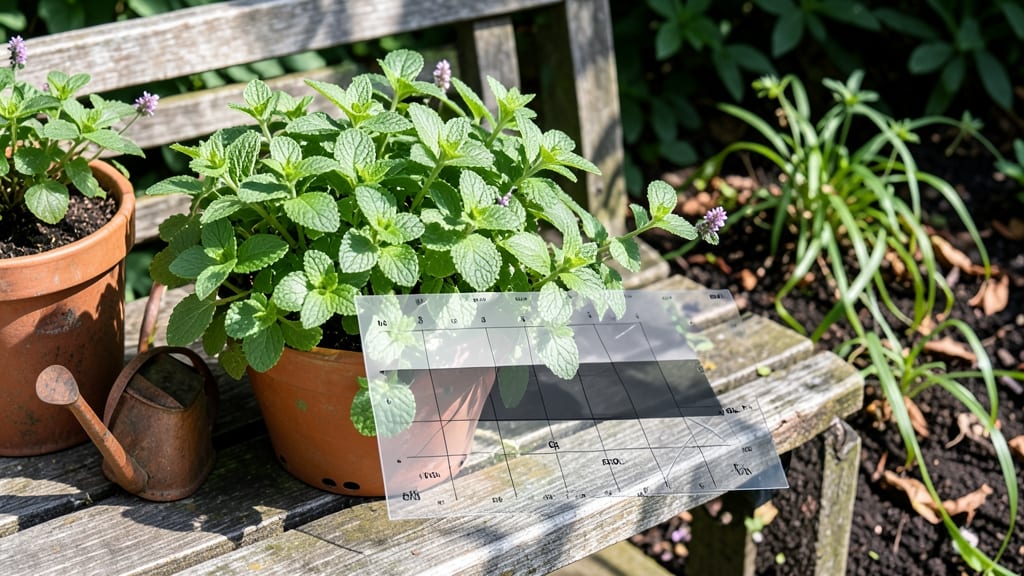
If your mint plant 🌿 is struggling—yellowing leaves, weak stems, or just not growing like it should—you might be getting how much light does a mint plant need wrong.
The right balance of brightness and shade is the key to turning that herb into a fast-growing, flavorful powerhouse without risking sunburn or leggy stems.
Mint thrives on bright indirect sunlight, which means it needs plenty of light but not the harsh midday rays that can scorch its delicate leaves. Whether you're growing it indoors or outdoors, understanding these light needs can make all the difference in how lush and productive your plant becomes.
I’ll break down exactly how many hours of light mint needs, how to tell if it’s getting too much or too little, and the best spots to place it—whether that’s a sunny windowsill or a shady garden corner. Let’s get your mint growing strong and healthy in no time!
From fixing pale, weak stems to avoiding crispy edges, you’ll learn the simple tricks to keep your mint happy and thriving all season long. Ready to transform your plant’s growth?

Ideal light requirements for mint plants: bright indirect sun explained
Mint plants thrive best with bright indirect sunlight, making them perfect for gardeners who don’t have full sun exposure. Unlike sun-loving herbs like rosemary, mint prefers 4-6 hours of filtered light daily—think morning sun paired with afternoon shade.
This balance prevents sunburn while ensuring robust growth. Too little light leads to weak stems, while too much direct sun causes leaf scorch or stunted development.
Outdoors, position your mint in dappled shade under trees or on the east side of your garden, where sunlight is gentler. For container gardens, place pots near a north- or east-facing window to mimic these conditions.
Avoid harsh afternoon rays, which can bleach leaves and reduce flavor intensity. Even mint’s fast-spreading nature can’t compensate for poor light—it needs energy to grow vigorously!
Indoors, a south-facing window can work if filtered through sheer curtains, but direct midday sun will damage leaves. If your home lacks natural light, supplement with a grow light (12-14 hours/day) to replicate ideal conditions.
Mint’s light requirements are flexible, but pushing limits risks pale, leggy growth or stunted harvests. The key is consistency—mint adapts poorly to fluctuating light levels.
🌿
| Condition | Specification | Effect on Mint |
|---|---|---|
| Bright Indirect Sun | 4-6 hours daily | Optimal growth, strong aroma |
| Direct Sun | >6 hours/day | Leaf scorch, bitter flavor |
| Low Light | <3 hours/day | Leggy stems, weak aroma |
| Morning Sun | 6 AM–12 PM | Ideal for outdoor pots |
| Grow Lights | 12–14 hrs/day | Best for indoor setups |
Recognizing light-related stress in mint is easier than you think. Yellowing leaves often signal overwatering or root rot, but pale, stretched stems scream for more light. Conversely, brown leaf tips or crispy edges mean your mint is baking in too much sun.
Pay attention to these visual cues—they’re your plant’s way of communicating! Adjust placement gradually to avoid shocking the roots.
For container growers, rotate pots weekly to ensure even light exposure on all sides. Mint’s square stems grow toward light sources, so uneven growth can indicate a light bias. If your plant leans toward a window, it’s time to reposition or add a grow light.
Remember, mint’s aggressive spread is a sign of health—not a reason to ignore light needs. A well-lit mint plant will double in size in just a few weeks!
💧
Mint’s light tolerance makes it versatile, but compromises lead to weaker harvests. If you’re growing mint for tea or cooking, prioritize bright indirect light to maximize flavor and yield. Even a small windowsill can work if you supplement with a LED grow bulb during cloudy days.
The goal? Mimic natural dappled shade as closely as possible—your mint’s aroma and growth rate will thank you!
Pro tip: Test your light setup by observing leaf color. Deep green leaves with visible veins mean your mint is happy. Light green or purple-tinged leaves?
It’s time to adjust shade or light exposure. With the right balance, your mint will reward you with lush, fragrant foliage all season long.
☀️
How to provide perfect light for mint: indoor vs outdoor solutions
Growing mint successfully starts with positioning it for bright indirect light, whether indoors or outdoors. For indoor containers, place your mint near an east-facing window where morning sun is gentle. If your home only has south-facing windows, use sheer curtains to diffuse harsh afternoon rays.
Avoid west-facing windows, as intense late-day sun can scorch leaves. Even a north-facing window works if you supplement with a grow light for 4-6 hours daily.
Outdoors, mint thrives in dappled shade under trees or on the east side of your garden, where it gets morning sun and afternoon shade. If planting in full sun, provide afternoon shade with a lightweight shade cloth (30-50% shade) to prevent leaf burn.
For container gardens, rotate pots weekly to ensure even light exposure—mint’s square stems will grow toward the light source if one side is consistently brighter.
🌿
- 1 Indoor Placement: East-facing windows are ideal; south-facing needs sheer curtains.
- 2 Outdoor Shade: Use 30-50% shade cloth for full-sun spots; dappled shade is best.
- 3 Grow Lights: 12-14 hours/day of LED grow lights for low-light indoor setups.
- 4 Rotate Pots: Turn containers weekly for even growth and prevent leaning.
- 5 Morning Sun: 6 AM–12 PM is perfect for outdoor mint; avoid harsh afternoon rays.
If you’re growing mint in a low-light apartment, invest in a full-spectrum LED grow light to replicate natural sunlight. Place the light 6-12 inches above the plant and keep it on for 12-14 hours daily.
For outdoor gardens, mulch around the base with organic matter to retain moisture and reduce stress from fluctuating light conditions. Mint’s fast-spreading roots mean it can outcompete weeds for nutrients, but poor light will still limit its vigor.
For balcony or patio gardens, use reflective surfaces like white walls or mirrors to bounce extra light onto your mint plants. This trick can boost light exposure by up to 20% without adding extra equipment.
If your mint starts growing toward one direction, it’s a clear sign of uneven light—reposition immediately to prevent lopsided growth. Remember, mint’s aroma and flavor peak when it receives consistent, bright indirect light.
💡
Pro tip: Test your setup by moving your mint to different spots for a week at a time. Observe leaf color and growth rate—deep green leaves with visible veins confirm you’ve found the perfect light balance.
If your mint’s growth slows or leaves pale, it’s time to increase light exposure. With the right conditions, your mint will reward you with lush, fragrant foliage ready for harvest in just 6-8 weeks!
✂️