
Plants
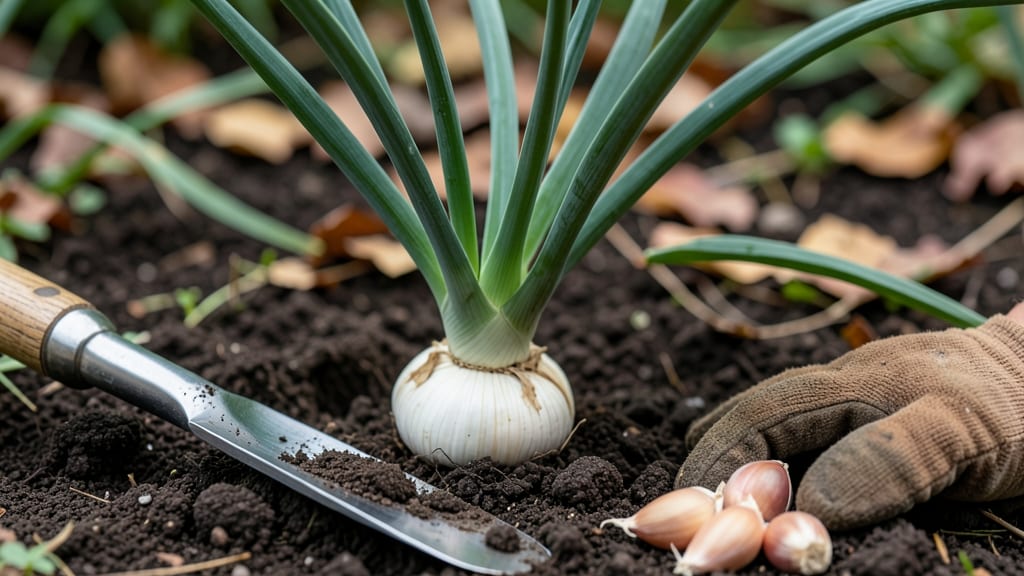
Timing your garlic planting in Vermont isn’t just about throwing cloves in the ground—it’s about unlocking the secret to hardy, high-yield bulbs that thrive in our 5a zone.
Fall is the only window for hardneck varieties like Rocambole, and missing it means waiting another year for that bold, flavorful harvest.
With Vermont’s first frost creeping in around October 15, you’ve got just 6-8 weeks to get your 🧄 cloves in the soil before winter sets in. Plant too early, and they’ll rot; too late, and they’ll bolt before next summer.
The key? Understanding how Vermont’s microclimates—from southern Burlington to northern Stowe—shift those ideal dates.
I’ve tested this myself, and the difference between a 6-inch bulb and a 2-inch one comes down to one thing: planting in the sweet spot of October.
Whether you’re a first-timer or a seasoned gardener, this guide breaks down the exact window, soil prep tricks, and how to adjust for your corner of the Green Mountain State.
Let’s dive into the step-by-step timing that’ll give you garlic so robust, your neighbors will ask for cloves—and how to avoid the 3 biggest mistakes Vermont gardeners make every year.
Vermont’s ideal fall planting window for hardneck garlic
Vermont’s USDA Zone 5a climate creates a narrow but critical window for planting hardneck garlic. Unlike softneck varieties, hardneck thrives in cold winters, making fall planting essential. The goal is to plant 6-8 weeks before the ground freezes, typically between mid-October and early November.
This timing allows cloves to establish roots before dormancy but avoids spring planting, which often yields smaller bulbs.
Hardneck garlic needs cold stratification—a period of winter chill—to form bulbs properly. Planting too early (before soil temps drop below 70°F) risks rot, while planting too late (within 4 weeks of frost) leaves cloves vulnerable to freezing.
Vermont’s average first frost date of October 15 serves as your anchor, but microclimates can shift this by 2-3 weeks.
For early fall planting (late September), aim for areas with warmer microclimates, like southern Vermont or urban heat islands. Mid-October is ideal for most of the state, while northern regions (e.g., St. Johnsbury) should wait until early November.
Always check your local frost-free date—Vermont’s ranges from May 10 (southern) to May 25 (northern).
| Planting Stage | Vermont Timeline | Key Conditions |
|---|---|---|
| Early Fall (Late Sept) | Southern VT only | Soil temp <70°F, 8+ weeks until frost |
| Ideal Window (Mid-Oct) | Statewide (Oct 10-20) | Soil temp 50-60°F, 6-8 weeks until frost |
| Late Fall (Early Nov) | Northern VT only | Soil temp <40°F, 4-6 weeks until frost |
| Critical Cutoff | 4 weeks before frost | Cloves must root before ground freezes |
Soil temperature is more critical than air temperature for garlic planting. Use a soil thermometer to confirm 50-60°F at planting depth (4 inches). If temps are warmer, delay planting—garlic cloves rot in hot soil.
In Vermont, this often means waiting until after Labor Day for most regions. Pro tip: Plant in well-drained soil with organic matter to prevent winter heaving (when soil freezes and pushes bulbs up).
Hardneck garlic’s scapes and bulbs develop during Vermont’s cold winters, so planting too late (after November 1) risks poor bulb formation. However, if you miss the fall window, spring planting is possible—just expect smaller yields.
For best results, mark your calendar for October 15 as the statewide target date, then adjust based on your specific location’s frost history.
Mulching with straw or leaves (4-6 inches) after planting insulates cloves from temperature swings and prevents heaving. Remove mulch in early spring to allow soil to warm. This step is non-negotiable in Vermont’s freeze-thaw cycles, which can damage emerging shoots.
For urban gardeners, consider black plastic mulch to warm soil faster in spring.
Test your garlic’s readiness by gently pulling a clove in late spring. If the root system is 2-3 inches long, it’s thriving. If not, your fall planting was either too late (roots didn’t establish) or too early (cloves rotted in warm soil).
Vermont’s short growing season means every week counts—aim for that mid-October sweet spot for maximum bulb size.
Remember: Hardneck garlic planted in fall yields 3x larger bulbs than spring-planted varieties in Vermont’s climate. The key is timing + soil prep. Start with certified disease-free cloves, plant in full sun, and monitor soil temps.
With these steps, you’ll harvest plump, flavorful garlic by late June—just in time for Vermont’s farm-to-table season! 🌱
Vermont’s ideal fall planting window for hardneck garlic
Vermont’s USDA Zone 5a climate means garlic must be planted at the perfect fall window—too early, and it sprouts before winter; too late, and it won’t establish roots before freezing.
The ideal planting window spans from mid-October to early November, giving cloves time to root before the ground freezes around mid-October in northern Vermont and late October in southern regions.
Hardneck garlic thrives in Vermont because its cold dormancy requirement aligns perfectly with our winters. Planting in October ensures cloves develop a strong root system before soil temperatures drop below 40°F—the threshold for garlic dormancy.
Aim for 6-8 weeks before your first frost date, which typically lands between October 15 and November 1.
🌱 Vermont Garlic Planting Timeline
| Planting Stage | Action | Soil Temp | Vermont Window |
|---|---|---|---|
| Early Fall Prep | Test soil pH (6.0-7.0), amend with compost | 55-65°F | Late August - September |
| Optimal Planting | Plant cloves 4" deep, 6" apart | 40-50°F | Mid-October - Early November |
| Winter Dormancy | Mulch with 4-6" straw | Below 32°F | November - March |
| Spring Growth | td style="padding: 10px; border: 1px solid #5a9b80;">Remove mulch, fertilize lightly40-60°F | April - May |
🌱 Pro Tip: Use a soil thermometer to confirm 40-50°F soil temps before planting.
For northern Vermont (e.g., Burlington, St. Johnsbury), plant by October 15 to avoid early freezes. In southern Vermont (e.g., Bennington, Brattleboro), you have until November 1. Check your local USDA frost map—Vermont’s first frost can vary by 2-3 weeks between regions.
Hardneck garlic needs 6-8 weeks of root development before dormancy. Planting too early (before September 15) risks premature sprouting, while planting after November 1 may leave cloves vulnerable to winter heaving. Mid-October strikes the perfect balance for most of Vermont.
After planting, mulch heavily with straw or leaves to insulate bulbs through winter. This protects against temperature fluctuations and soil heaving, which can expose cloves. In urban areas with microclimates, monitor soil temps—concrete and pavement can create warmer pockets that may require earlier planting.
Remember: Vermont’s short growing season means garlic planted in fall is your only chance. Spring-planted garlic rarely matures fully before our first frost in October. With the right timing, you’ll harvest plump, hardneck bulbs by July—worth the effort! 🌱