
Plants
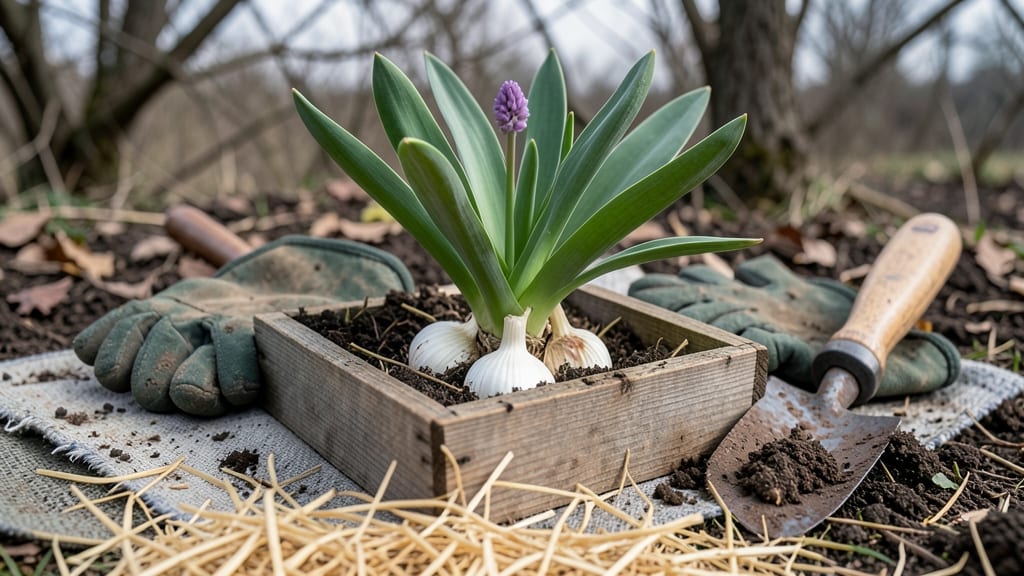
If you're dreaming of harvesting plump, flavorful 🧄 garlic by next summer, timing your fall planting in New Hampshire is the most important step—and getting it wrong could mean weak bulbs or wasted effort.
The 5b-6b climate here demands precision, with late October marking the cutoff before winter freezes lock the soil.
Most gardeners in New Hampshire plant their 🧄 garlic between mid-September and mid-October, but why exactly? This window ensures cloves establish roots before the ground freezes, setting the stage for robust growth come spring. Miss it, and you risk stunted plants or frost damage that could kill your crop entirely.
Don’t worry—adjusting for NH’s unpredictable frosts is easier than you think. I’ll walk you through the ideal planting dates, soil prep tricks, and how to protect your garlic from early freezes. By the end, you’ll know exactly when to plant for bigger bulbs and fewer headaches.
Ready to grow garlic that rivals the best from the farmers' market? Let’s dive into the perfect fall planting schedule tailored just for New Hampshire gardeners.
Optimal fall planting window for New Hampshire hardneck garlic
New Hampshire’s USDA Zones 3-5 create a tight window for planting 🧄 garlic—typically between September 15 and October 15. This schedule ensures cloves establish roots before the ground freezes, which usually happens by mid-December in most areas.
Planting too early risks rotting, while planting too late leaves cloves vulnerable to frost damage.
For the best results, aim to plant 4-6 weeks before the first hard frost. In NH, this generally means late September to mid-October. For example, if your last frost date is November 15, plant by October 1 to give roots time to anchor before winter sets in.
Soil temperature is your best guide: garlic cloves need soil at 40-50°F for successful root growth. Use a soil thermometer to check—if temps drop below 32°F, your cloves may freeze before sprouting.
Here’s a quick reference for NH’s three main regions:
| Region | Ideal Planting Window | Key Consideration |
|---|---|---|
| Northern NH (Zones 3-4) | September 20–October 5 | Shorter growing season; plant early to avoid early frosts. |
| Central NH (Zone 5a) | September 25–October 15 | Balanced window; aim for mid-October for best bulb size. |
| Southern NH (Zone 5b) | October 1–October 20 | Later planting possible; monitor soil temps closely. |
If you’re unsure about your frost dates, check the New Hampshire Gardening Calendar or use the National Weather Service’s frost prediction tool. For most of NH, October 15 is the absolute deadline—planting after this risks cloves freezing before sprouting.
Pro tip: If you’re in a coastal area (like Portsmouth), you may have a slightly later window due to milder winters. Inland areas, however, freeze earlier—adjust your planting date accordingly.
Once you’ve nailed the timing, focus on soil prep. Garlic thrives in well-draining, loose soil with a pH of 6.0-7.0. Work in compost or aged manure before planting to give cloves the nutrients they need for spring growth.
Remember, hardneck garlic (the variety best suited for NH) needs cold stratification to form bulbs. Planting at the right time ensures this process happens naturally, leading to larger, more flavorful harvests by late June.
For extra protection, consider mulching with straw after planting. This insulates cloves from temperature swings and keeps soil moist during NH’s unpredictable fall weather.
Now that you’ve got the perfect window locked in, your garlic is on its way to becoming next summer’s star crop! 🧄
How to adjust planting for NH’s microclimates and frost patterns
New Hampshire’s diverse microclimates mean your garlic’s success depends on where you live. Coastal areas like Portsmouth enjoy milder winters, while inland spots near the White Mountains freeze earlier.
Adjust your planting date by 1-2 weeks based on your location—coastal gardeners can plant slightly later, while inland areas should plant 2 weeks earlier to avoid early frosts.
For example, gardeners in Zone 4 (North Conway) should plant by October 1, while those in Zone 5b (Concord) can wait until October 15. Use the USDA Plant Hardiness Zone Map to pinpoint your exact zone, then adjust your schedule accordingly.
Even a 5°F difference can shift your ideal planting window by a week or more.
🌱 Pro Tip: If you’re unsure about your microclimate, observe nearby gardens. If your neighbors’ 🌿 tomatoes thrive into October, you likely have a longer garlic window. Conversely, if their plants frost by mid-September, plant garlic earlier to stay ahead of winter.
🌡️ Coastal vs. Inland Planting Adjustments
🏖️ Coastal NH (Zones 5b-6a)
- Planting Window: October 1–15
- Why? Milder winters delay frost
- Risk: Humidity may cause rot if planted too early
🏔️ Inland NH (Zones 3-4)
- Planting Window: September 20–October 5
- Why? Early frosts arrive sooner
- Risk: Late planting = frozen cloves
Protecting garlic from NH’s erratic frosts is key. After planting, add a 4-inch layer of straw mulch to insulate cloves. This buffer prevents frost heave (when soil freezes and pushes cloves upward) and keeps roots from freezing.
In extreme cases, use a frost blanket over newly planted beds during early freezes.
For rocky or sandy NH soils, amend the bed with compost and peat moss to improve moisture retention. Sandy soils dry out quickly, while rocky soils struggle to hold nutrients.
Aim for loamy, well-draining soil—garlic hates soggy roots. Test your soil’s pH (ideal: 6.0-7.0) and adjust with lime if needed.
Choose hardneck varieties like ‘German White’ or ‘Music’, which thrive in NH’s climate. These varieties produce scape shoots (edible stems) and larger bulbs than softneck types.
Plant cloves 2 inches deep, with the pointed end up, and space them 6 inches apart in rows 12 inches apart for optimal airflow.
🌿 Final Tip: If you miss the fall window, you can plant garlic in early spring (March-April), but bulbs will be smaller and less flavorful. Fall planting is the only way to guarantee large, robust harvests in NH’s short growing season.