
Plants
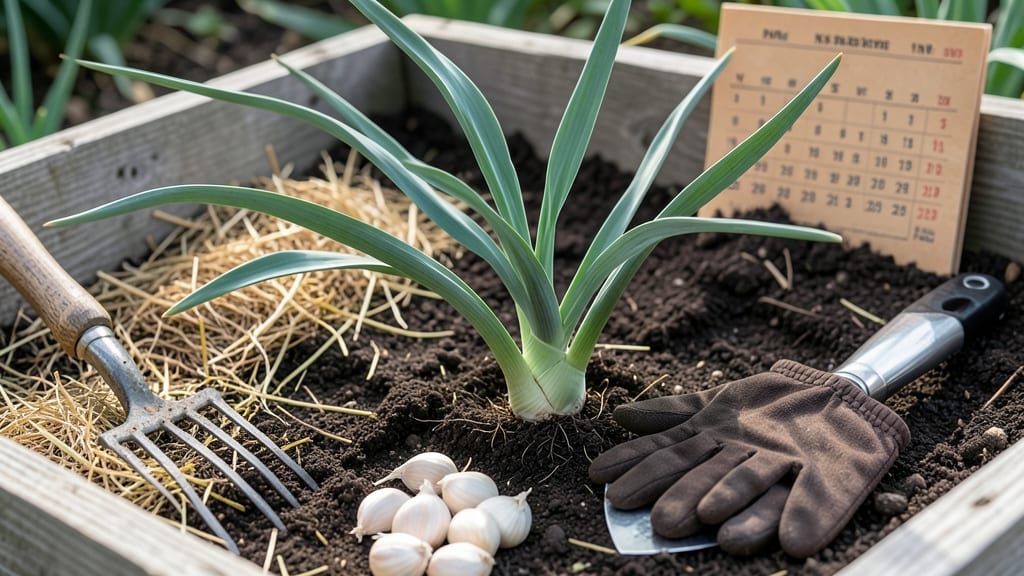
Planting garlic 🧄 in New York at the wrong time can mean smaller bulbs, wasted effort, or even no harvest at all—so getting the timing right is the key to success.
Unlike many crops, garlic thrives when planted in the fall, not spring, because it needs cold exposure to develop properly. If you’ve ever wondered why your garlic didn’t grow as expected, the answer likely lies in when (or if) you planted it.
For New York gardeners in zones 5a-7b, the ideal window is between October and November, giving the cloves time to root before winter sets in. Hardneck and softneck varieties both follow this rule, but their harvest timing differs slightly, which is why many gardeners overlook the finer details.
This guide will break down the exact schedule for each type, so you can avoid common mistakes and maximize your yield.
You might think planting garlic is as simple as dropping cloves into the soil, but New York’s unpredictable winters and microclimates add layers of complexity. From adjusting for late frosts to choosing the right mulch, small tweaks can mean the difference between a mediocre harvest and a bumper crop.
Let’s dive into the best practices so you can grow garlic like a pro—no guesswork required.
Whether you’re a beginner or a seasoned gardener, mastering the timing will transform your garlic harvest from ho-hum to outstanding. By the end of this guide, you’ll know exactly when to plant, how to prep your soil, and what to watch for in New York’s variable climate.
Ready to grow the best garlic of your life? Let’s get started.
Optimal planting dates for hardneck vs softneck garlic in New York
Garlic thrives in New York’s cool fall temperatures, but timing varies drastically between hardneck and softneck varieties. Hardnecks (like ‘Music’ or ‘German White’) need a long cold period to form bulbs, while softnecks (like ‘Silverskin’) tolerate milder winters.
Planting at the wrong time can mean small bulbs or no harvest.
For New York’s USDA zones 4-7, aim to plant 4-6 weeks before the ground freezes. This usually falls between mid-October and early November, but exact dates shift based on your microclimate.
Northern regions (like Buffalo or Syracuse) may need to plant by late September, while southern areas (like Long Island or NYC) can wait until November.
Hardnecks must experience 40-60 days below 40°F to develop properly. Softnecks are more flexible but still benefit from cool winter dormancy. If you miss the fall window, you can try spring planting, but yields will be 50% smaller.
| Variety | Ideal Planting Window | Cold Requirement | Notes |
|---|---|---|---|
| Hardneck | Mid-October to early November | 40-60 days below 40°F | Best for flavor; produces scapes |
| Softneck | Late October to mid-November | 20-30 days below 40°F | Stores longer; milder winters |
Check your last frost date—New York’s ranges from mid-October in the Adirondacks to late November in NYC. Use a soil thermometer to confirm when temps drop to 40°F at night. Planting too late risks frozen soil, while early planting may cause premature sprouting.
For northern NY (zones 4-5), prioritize hardnecks and plant by October 15. In central NY (zones 6-7), softnecks can go in until November 1. Coastal areas (like Long Island) may extend planting to early December due to milder winters.
If you’re unsure, use the moon planting calendar (root crops like garlic thrive under a waning moon). Aim for a full moon in October for best results. Just don’t rely on it alone—soil temperature is the real deciding factor.
Pro tip: Break apart garlic bulbs into individual cloves right before planting. Larger cloves yield bigger bulbs, but never use store-bought garlic—it’s treated to prevent sprouting. Save cloves from your previous year’s harvest for the best germination.
After planting, mulch heavily with straw or leaves to insulate bulbs through winter. This protects against freeze-thaw cycles and keeps soil temps stable. Remove mulch in early spring once shoots emerge.
Hardnecks will send up scape stalks in June, while softnecks focus on bulb growth. Harvest hardnecks when lower leaves brown (usually late June to July), and softnecks follow 2-3 weeks later. Timing here ensures plump, flavorful bulbs ready for storage.
Optimal planting dates for hardneck vs softneck garlic in New York
New York’s climate demands precision when planting garlic, and the first step is understanding the difference between hardneck and softneck varieties. Hardneck garlic, like ‘Music’ or ‘German Red’, thrives in colder zones (5a-6b) and needs a 60-day cold period to form bulbs.
Softneck varieties, such as ‘Artichoke’ or ‘Silver White’, tolerate warmer zones (7a-7b) but still benefit from fall planting. Both types should be in the ground 4-6 weeks before the first frost, typically between mid-October and November in most of New York.
For hardneck garlic, aim to plant between October 1st and November 15th. This window ensures the cloves root deeply before winter, while still benefiting from the cold. In USDA Zone 5a (e.g., Buffalo or Syracuse), plant by October 15th to avoid early freezes.
In Zone 7b (e.g., New York City or Long Island), you can extend planting until November 1st due to milder winters. Softneck garlic follows a similar schedule but can tolerate slightly later planting, especially in Zone 7b, where you might push it to mid-November.
| Variety | Best Planting Window (NY) | Cold Requirement | Harvest Time | Notes |
|---|---|---|---|---|
| Hardneck (e.g., 'Music', 'German Red') | Oct 1–Nov 15 | 60+ days below 40°F | Late June–July | Best for colder zones (5a-6b); produces scapes. |
| Softneck (e.g., 'Artichoke', 'Silver White') | Oct 15–Nov 15 | 45–60 days below 40°F | Late June–July | Tolerates warmer zones (7a-7b); stores longer. |
If you miss the fall window, you can try spring planting in New York, but yields will be 50% smaller because the garlic won’t get the cold stratification it needs.
For spring planting, sow cloves in March or early April, but expect bulbs to mature 2-3 weeks earlier and be less robust. This method is only recommended for Zone 7b gardeners with mild winters or those who forgot to plant in fall.
To determine your exact planting date, check your local last frost date. In Upstate New York (e.g., Rochester, Albany), aim for October 15th to avoid early freezes.
In Downstate New York (e.g., NYC, Long Island), you can plant as late as November 1st due to urban heat islands delaying frost. Use a soil thermometer to confirm the ground is below 50°F—this is the ideal temperature for planting.
One common mistake is planting garlic too late in fall, which can lead to poor root development. If you’re unsure, err on the side of earlier planting.
Hardneck garlic planted by October 1st in Zone 5a will have time to establish roots before winter, while softneck garlic in Zone 7b can handle a later start. The key is giving the cloves enough time to root before the ground freezes solid.
Once planted, mulch with 4-6 inches of straw to insulate the soil and protect the cloves from freeze-thaw cycles. This step is critical in New York’s variable winters, where temperatures can swing from 30°F to 50°F in a single week.
Proper mulching ensures consistent soil temperatures and sets the stage for a high-yield harvest the following summer.