
Planting
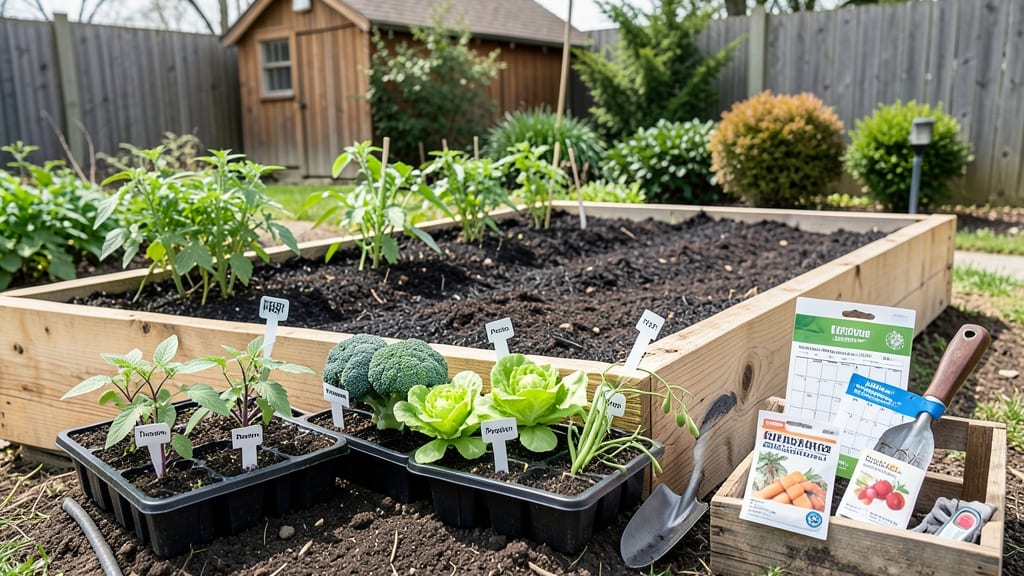
Timing your garden planting in West Virginia can feel like a high-stakes guessing game—one late frost or unexpected chill can send your spring crops into a tailspin. But here’s the good news: with the right frost-date cheat sheet for your specific zone, you can turn uncertainty into a thriving harvest.
West Virginia spans USDA zones 5a through 7a, meaning your neighbors might be planting tomatoes while you’re still waiting for the last frost.
I’ll break down exactly when to put seeds in the ground—whether you’re in the cooler highlands or warmer river valleys—so you can avoid common mistakes and maximize your garden’s potential.
From cool-season vegetables like spinach to heat-loving peppers, knowing the ideal planting window makes all the difference. We’ll cover soil prep, frost protection, and even how to adjust for WV’s unpredictable weather patterns so your garden thrives from spring through fall.
Ready to stop second-guessing and start planting with confidence? Let’s dive into the exact dates and strategies that work for West Virginia gardens—no more guesswork, just great results.
West Virginia frost dates by Zone: your planting timeline guide
West Virginia spans USDA Hardiness Zones 5a to 7a, meaning frost dates vary dramatically from northern counties like Pocahontas (Zone 5a) to southern regions like Mercer (Zone 7a). These differences can shift planting windows by 4-6 weeks, so knowing your exact zone is critical.
For example, Zone 5a gardeners face last frost dates around May 10-20, while Zone 7a gardeners can start warm-season crops as early as April 15—with minimal frost risk after April 1.
To find your precise zone, check the West Virginia University Extension Service map or use the Plant Hardiness Zone Finder tool. Most of WV falls into Zones 6a-6b, where you’ll see average last frost dates between April 25-May 10.
However, microclimates (like valleys vs. mountaintops) can add 1-2 weeks of variability even within the same zone.
Here’s the critical rule: Plant cool-season crops (like lettuce, peas, and spinach) 4-6 weeks before your last frost date, while warm-season crops (tomatoes, peppers, cucumbers) should wait until 2 weeks after your last frost.
In WV, this often means late April for Zone 7a and early May for Zone 5a.
🌱
🌱 West Virginia Planting Timeline by Zone
| Zone | Last Frost Date | First Frost Date | Cool-Season Planting Window | Warm-Season Planting Window |
|---|---|---|---|---|
| 5a (Northern WV) | May 10-20 | October 10-20 | April 1-15 | May 25-June 5 |
| 6a (Central WV) | April 25-May 5 | October 5-15 | March 15-April 1 | May 10-20 |
| 6b (Southern WV) | April 15-25 | October 1-10 | March 1-April 15 | April 25-May 10 |
| 7a (Extreme SW WV) | April 1-10 | September 25-October 5 | February 15-March 15 | April 15-May 1 |
*Dates are averages—always monitor local forecasts for adjustments.
For Zone 6b gardeners (like those in Charleston or Huntington), this means you can start spinach and peas in early March and transition to tomatoes and peppers by mid-May.
Meanwhile, Zone 5a gardeners (like those in Elkins or Beckley) should wait until late April for cool-season crops and late May for warm-season plants. Pro tip: Use row covers to extend your cool-season window by 2-3 weeks in colder zones.
Another key factor is soil temperature. Warm-season crops like tomatoes and peppers need soil temps above 60°F, while cool-season crops thrive in 40-50°F soil. In WV, soil warms slowly, so wait until mid-May in Zone 6a before planting heat-loving veggies.
Use a soil thermometer to confirm readiness—don’t rely solely on air temperature.
If you’re in a microclimate (like a valley or south-facing slope), you may experience earlier last frosts or later first frosts than your zone’s average. For example, Charleston’s
Best months to plant popular WV vegetables & flowers (with frost risk alerts)
West Virginia’s growing season offers plenty of opportunities for both cool-season and warm-season crops, but timing is everything.
In Zone 6b (most of WV), you can start planting cool-season veggies like lettuce and peas as early as late March, while warm-season crops like tomatoes and peppers need to wait until after Memorial Day to avoid frost damage.
Flowers like pansies and calendula thrive in cooler weather, so they’re perfect for early spring or fall planting. Meanwhile, marigolds and sunflowers love the heat and should go in after the last frost.
I’ll break down the best months for your favorite WV crops, plus how to protect them from unexpected late frosts.
🌱 Key Tip: Always check your local frost dates (even within WV, they can vary by 2-3 weeks) and use a soil thermometer to confirm warmth before planting warm-season crops.
| Crop | Best Planting Months | Frost Risk | Soil Temp Threshold |
|---|---|---|---|
| Lettuce | March-April, Sept-Oct | High (early spring) | 40°F+ |
| Tomatoes | May-June | Low (after last frost) | 60°F+ |
| Peppers | Late May-June | None (heat-lovers) | 70°F+ |
| Pansies | March-April, Sept | Moderate (tolerates light frost) | 45°F+ |
| Beans | Late April-May | Low (after frost) | 55°F+ |
For warm-season crops, don’t rush—waiting until the soil is consistently 60°F+ for tomatoes and 70°F+ for peppers ensures strong root growth. I’ve planted tomatoes too early in WV and watched them wilt from cold soil, so always test before planting!
Extend your season with row covers or cold frames to protect early plantings. For example, you can start spinach in late February under cover, then transplant outdoors in March. This trick adds 4-6 weeks to your growing season—perfect for WV’s shorter summers.
If you’re in Zone 5a (northern WV), hold off on warm-season crops until mid-May, while Zone 7a gardeners can plant peppers as early as late April. Always check the WV Extension Service for updates on frost dates—it’s your best friend for seasonal planting!