
Planting
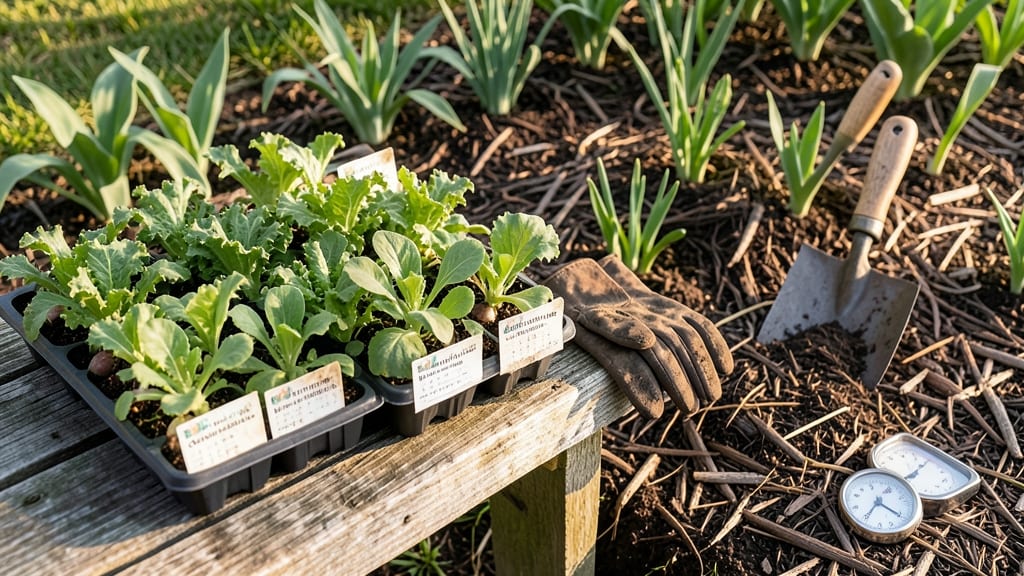
Timing when to plant a garden in Minnesota 🌱 just right can mean the difference between a thriving harvest and a season of frustration—especially when those late May snowflakes roll in.
Minnesota’s unpredictable frost dates (lasting until mid-May in many areas) make planning tricky, but mastering the right windows lets you grow cold-hardy crops like peas, kale, and spinach even when the ground is still chilly.
I’ve spent years testing what works in USDA Zones 3b–5a, and the key is knowing when to start seeds indoors versus planting directly into the soil.
For example, cool-season crops like lettuce and radishes can handle frost, while tomatoes and peppers need to wait until after May 15th in most regions. But here’s the secret: with row covers and cold frames, you can push those dates earlier—or extend your fall harvests well into September.
What if I told you that spring planting starts in March for hardy greens and can continue through June for heat-lovers? The trick is adjusting for your specific microclimate—whether you’re in Minneapolis (warmer) or Duluth (colder).
I’ll walk you through the exact 4-week windows for each crop, plus how to protect seedlings from surprise freezes so you can enjoy fresh produce from your Minnesota garden all season long.
Ready to outsmart Minnesota’s weather? Let’s dive into the step-by-step planting schedule that’ll turn your garden into a year-round success—no more guessing, just growing.
Minnesota planting zones: frost dates by region (2024 guide)
Minnesota’s USDA hardiness zones 3b–5a mean frost dates can shift by weeks between northern and southern regions. In Zone 3b (northern MN), the last spring frost often hits May 25–June 1, while Zone 5a (southeast MN) sees frost-free soil by May 5–15.
These variations dictate whether you can plant peppers in late April or wait until June.
Urban areas like Minneapolis (Zone 4b) experience earlier warming due to the "heat island effect," but rural zones like Duluth (Zone 3b) play it safer with later plantings. Always check the MN Department of Agriculture’s frost maps for real-time updates—this year’s data may differ by 7–10 days from historical averages.
For cool-season crops like spinach or peas, start seeds 4–6 weeks before your last frost. In Zone 4a, that’s early April; in Zone 5a, it’s mid-March.
Warm-season crops (tomatoes, cucumbers) need to wait until 2–3 weeks after your last frost date to avoid nighttime chills that stunt growth.
Microclimates add another layer of complexity. South-facing slopes warm up 1–2 weeks earlier than flat areas, while low-lying spots hold frost longer. If your yard has urban heat islands (paved surfaces, buildings), plant heat-loving crops like peppers 10–14 days earlier than the zone average suggests.
For container gardening, adjust timelines by 1–2 weeks later—pots cool faster and are more vulnerable to late frosts. Use black plastic mulch to warm soil 2–3°F faster and plant warm-season crops 7–10 days earlier in raised beds.
Track your local frost dates using the MN State Climatology Office or Almanac’s Frost/Freeze Tool. These tools provide 10-year averages and help you plan for extreme years when frost lingers into June or arrives by September 1.
Pro tip: Test soil temps with a soil thermometer—most warm-season crops need soil at 60°F+ for 7+ days before planting. In Zone 4b, this often means waiting until late May for tomatoes, even if the air feels warm.
Remember, fall planting follows the reverse timeline. Start cool-season crops in August for harvests before first frost. In Zone 3b, aim for mid-August sowing; in Zone 5a, you can plant until September 15.
When in doubt, use row covers to push your planting window 2–4 weeks earlier in spring or extend harvests by 3–4 weeks
Cold-hardy crops that thrive in Minnesota’s late frost (ranked by resilience)
Minnesota’s late frosts can wreak havoc on tender seedlings, but some crops thrive—or even survive—when temperatures dip. These frost-tolerant plants are my go-to for extending harvests and minimizing losses. From leafy greens to root vegetables, I’ve tested these varieties in USDA zones 3b–5a and they consistently deliver.
For maximum resilience, focus on crops that can handle 28°F or higher. Kale, Swiss chard, and spinach are my top performers—they not only survive frost but often taste sweeter after a light freeze.
Radishes and peas are also early winners, maturing quickly before summer heat sets in. I’ve even grown potatoes successfully under row covers as early as April.
To extend harvests, I use succession planting for fast growers like radishes and lettuce. Plant every 2–3 weeks from April through June to ensure a steady supply. For longer-season crops like broccoli or cabbage, start seeds indoors in March and transplant after the last frost.
I’ve had success with cold frames to push planting dates even earlier.
Herbs like parsley and cilantro also handle frost well, though cilantro often bolts in summer heat. For herbs that thrive, I plant them in partial shade to avoid stress.
Even thyme and oregano can survive light frosts, making them perfect for early spring harvests. Just be sure to mulch heavily to protect roots from temperature swings.
If you’re new to frost-proofing, start with row covers for delicate seedlings. These lightweight fabrics raise soil temperatures by 5–8°F and protect against late frosts. I use them for tomatoes and peppers planted in early May, which often double my yield compared to unprotected plants.
For extreme cold, add a cloche or cold frame over seedlings.
Don’t forget perennials like asparagus and rhubarb, which establish roots early and survive winter with minimal care. Plant them in well-draining soil and mulch heavily after the first frost. These low-maintenance crops reward patience with decades of harvests—perfect for Minnesota’s unpredictable climate.