
Plants
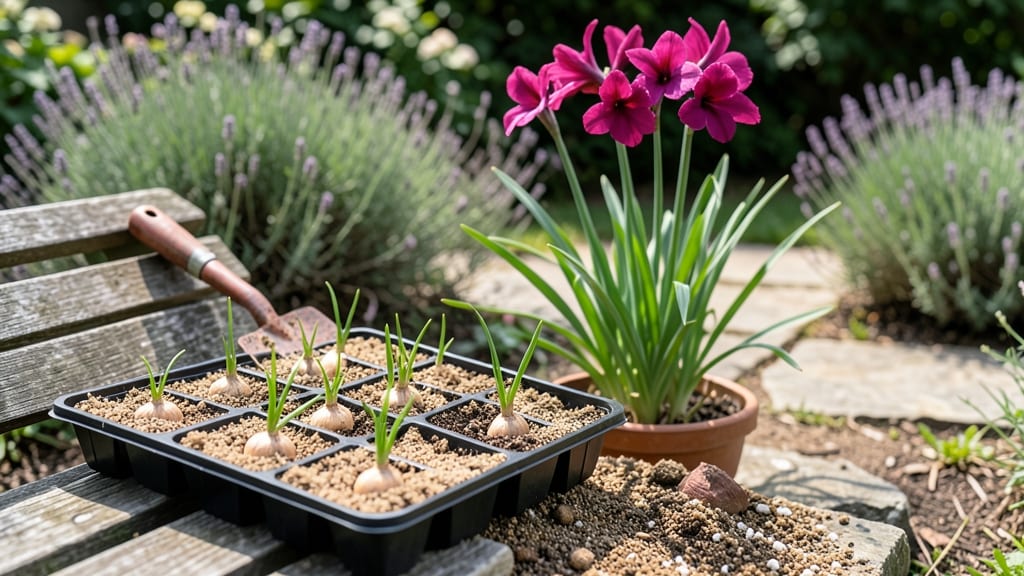
Timing your Freesia planting in the UK could mean the difference between a dazzling spring display of 🌸 and disappointment. These delicate flowers need precise conditions—especially the right chill hours—to thrive, and getting the window wrong risks weak stems or no blooms at all.
Most UK gardeners plant Freesia bulbs in autumn (September–November) for spring blooms, but regional differences matter. Cooler zones like Scotland’s 8a need earlier planting to avoid early frost, while milder areas in 9b can wait until late fall. The key? Understanding your local frost dates and chill-hour needs.
If you’re dreaming of summer Freesias instead, February–March planting is your best bet—but there’s a trick. Pre-chilling bulbs indoors for 6–8 weeks mimics winter’s cold, jumpstarting growth. I’ll show you how to do it right, whether you’re planting in containers or straight into the garden.
Ready to unlock vibrant blooms? Let’s dive into the exact steps for your UK zone, from soil prep to frost protection, so you can enjoy Freesias at their peak—no guesswork required.
UK hardiness zones & Freesia planting timing by region
The UK’s varied climate means freesia planting times differ dramatically from Scotland’s chilly Zone 8a to southern England’s milder Zone 9b. In colder regions like Edinburgh, aim for late September to early October to avoid early frosts.
Meanwhile, in London or Cornwall, you can plant as late as November—or even start bulbs indoors in February for summer blooms.
Frost sensitivity is key: freesias won’t tolerate temperatures below 5°C. Use these regional guidelines to time your planting for spring blooms (April-June) or summer displays (June-August).
For example, gardeners in Northern Ireland (Zone 8b) should plant by mid-October, while those in Wales (Zone 9a) have until late October.
Here’s how your UK region affects timing:
| Region | USDA Zone | Best Planting Window | Frost Risk | Bloom Time |
|---|---|---|---|---|
| Scotland (Edinburgh) | 8a (-12.8°C) | Late Sept–Early Oct | High (first frost: Oct 15) | April–May |
| Northern England (Manchester) | 8b (-6.7°C) | Mid-Sept–Mid-Oct | Moderate (first frost: Oct 20) | April–June |
| Wales (Cardiff) | 9a (-3.9°C) | Late Sept–Late Oct | Low (first frost: Nov 5) | May–June |
| Southern England (London) | 9b (-1.1°C) | Oct–Nov (or Feb–March indoors) | Very Low (first frost: Nov 10) | June–July (summer) |
| Cornwall (Zone 10a) | 10a (4.4°C) | Nov–Dec (or Feb–March) | Minimal (rare frosts) | July–August |
For summer blooms, plant bulbs indoors in February and transplant outdoors after the last frost (mid-May). This trick works especially well in Zone 9b+, where winters are mild but summers are warm enough for extended flowering. In colder zones, focus on autumn planting for spring color.
Pro tip: Use mulch (straw or bark) in colder regions to insulate bulbs and extend the planting window by 2-3 weeks. This is a game-changer for Zone 8a gardeners who want to push their freesias to bloom earlier.
If you’re in Zone 9b or 10a, you can even experiment with two plantings: one in autumn for spring blooms and another in winter (Jan-Feb) for summer color. Just ensure your soil stays drainage-friendly—freesias hate soggy roots.
Remember: Freesias need 6-10 weeks of chill hours (6-10°C) to break dormancy. In warmer UK zones, you may need to pre-chill bulbs in the fridge for 4-6 weeks before planting. More on this in the next section!
🌱
Chill-hour requirements: how cold does Freesia need before planting?
Freesias won’t bloom without the right chill hours—those 6-10 weeks at 6-10°C (43-50°F). This cold period tricks bulbs into breaking dormancy, ensuring strong stems and vibrant flowers.
In the UK, natural winter temps often provide enough chill, but milder zones like London (Zone 9b) may need help to meet these requirements.
Think of it like a winter nap: bulbs stored too warm will sprout early but produce weak, leggy growth. For example, if you plant in November in Cornwall (Zone 10a), the soil may stay above 10°C for too long, delaying blooms or preventing them entirely.
That’s why many UK gardeners pre-chill bulbs in the fridge for 4-6 weeks before planting.
Here’s how your UK region stacks up for chill-hour needs:
To simulate chill hours at home, place bulbs in a paper bag with sphagnum moss (keep it damp) and store them in your fridge’s crisp drawer (4-5°C).
Check them weekly—if sprouts appear, they’ve had enough chill and are ready for planting. This method works especially well for February-March plantings aiming for summer blooms.
Pro tip: If you’re in Zone 9b+, plant bulbs in containers first (see next section) to control soil temps. Fill pots with sandy loam mixed with perlite to improve drainage and cool the roots slightly, mimicking a longer chill period naturally.
Remember: Over-chilling (beyond 10 weeks) can harm bulbs, while under-chilling (less than 4 weeks) may result in poor flowering. Strike that balance, and your freesias will reward you with bold, fragrant blooms—no matter your UK zone!
🌿