
Plants
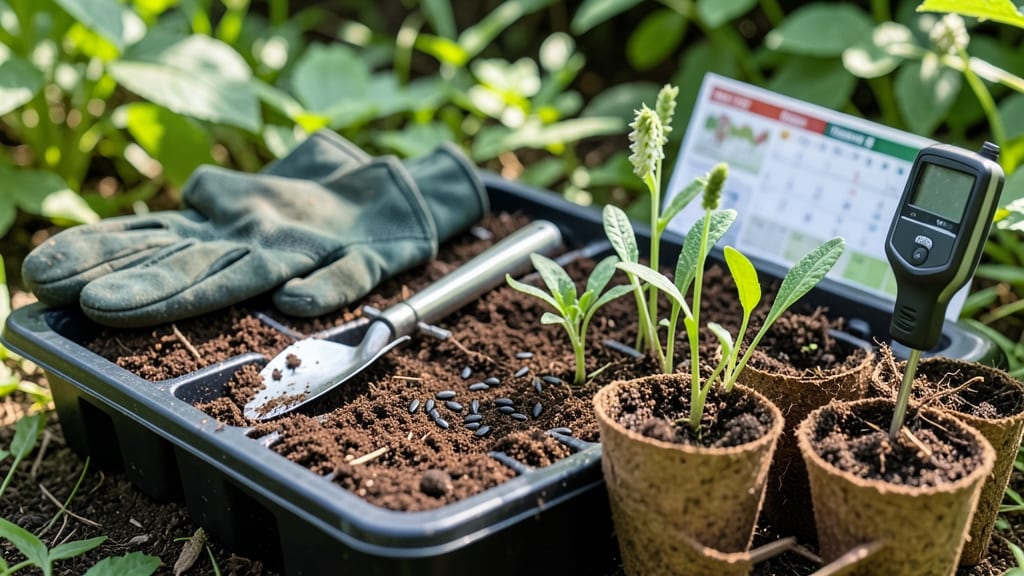
If you're dreaming of tall, dramatic foxglove 🌸 blooms in your Zone 7 garden, when to plant foxglove seeds is the key to success. Planting too early risks frost damage, while waiting too late might leave you admiring other gardens' stunning spires instead of your own.
Zone 7's late summer to early fall window (August-September) offers the perfect balance—cooling soils and shortening days signal seeds to germinate naturally. This biennial beauty needs time to establish roots before winter, so don't rush the process.
I'll walk you through exactly when to plant, whether to start indoors or sow directly, and how to give your foxglove seedlings the best shot at thriving. With these proven strategies, you'll be rewarded with those iconic bell-shaped flowers by next summer.
Let's dive into the best months for planting and the simple steps to ensure your foxglove grows strong from the start—no guesswork required.
Best months to plant foxglove seeds in Zone 7 for maximum blooms
Foxglove (Digitalis purpurea) thrives in Zone 7 when planted during its natural cold stratification window, which aligns with late summer to early fall. This timing ensures seeds experience the cool temperatures they need to break dormancy before winter.
Planting too early risks frost damage to tender seedlings, while late planting may delay blooms until the plant's second year.
In Zone 7a-7b, the ideal window spans August through September, when daytime highs hover between 70°F and 80°F and nighttime lows drop closer to 50°F. These conditions mimic the plant's native European climate, where foxglove seeds germinate best after a period of natural chilling.
Direct sowing outdoors during this window eliminates the need for artificial stratification, though a light mulch layer helps maintain soil moisture and temperature. For gardeners in higher elevations within Zone 7, aim for early August to avoid premature frost in September.
Soil temperature is critical—foxglove seeds germinate best when soil reaches 55°F to 65°F. In Zone 7, this typically occurs by mid-August, making it the safest time to plant. Use a soil thermometer to confirm before sowing.
| Planting Window | Zone 7 Conditions | Germination Success | Bloom Timeline |
|---|---|---|---|
| Late August | Soil 55°F-65°F, light frosts possible | Moderate (40-60%) | Year 2: Late May-June |
| Early September | Soil 50°F-60°F, cooler nights | High (70-85%) | Year 2: Early June-July |
| Mid-September | Soil 45°F-55°F, frost risk | Low (20-40%) | Year 2: Late June-August |
| Spring (April) | Soil 40°F-50°F, high frost risk | Very Low (0-10%) | Year 2: August-September |
Note: Fall planting yields strongest first-year rosettes for earlier blooms.
For gardeners in Zone 7b, where summers extend slightly longer, early September planting can still yield strong germination if protected from early frosts. Use row covers or plant near southern exposures to extend the growing season by 2-3 weeks.
If you miss the fall window, indoor stratification in late winter (February) can create a second planting opportunity. However, outdoor fall planting remains the gold standard for foxglove success in Zone 7, producing hardier plants with larger blooms in their second year.
Always choose a well-draining location with partial shade to prevent seedling stress. Foxglove seeds sown in full sun may germinate faster but produce leggy, weak seedlings prone to fungal diseases in Zone 7's humid summers.
After planting, maintain consistent moisture without waterlogging the soil. Foxglove seeds need 6-8 weeks of cold to germinate, so avoid disturbing the soil during this critical period. Mark planting areas clearly to prevent accidental tilling.
Remember: Patience is key with foxglove. While you won't see flowers until the second year, proper fall planting in Zone 7 sets the stage for dramatic 3-5 foot spikes of bell-shaped blooms that will steal the show in your garden.
Best months to plant foxglove seeds in Zone 7 for maximum blooms
In Zone 7, the ideal window for planting foxglove seeds spans from late August to early September. This timing aligns perfectly with the plant's need for cool soil temperatures (around 50-60°F) and shorter daylight hours, which trigger natural germination without artificial stratification.
Direct sowing outdoors during this period ensures seeds experience mild autumn temperatures followed by winter's cold, a process that mimics their natural dormancy cycle. Skipping this window risks either frost damage to early seedlings or poor germination if planted too late.
For those who prefer indoor starts, seed sowing indoors can begin 6-8 weeks before your last frost date (typically mid-April in Zone 7). However, foxglove seeds require cold stratification, so indoor starts must still undergo a 4-6 week cold treatment before transplanting outdoors in early spring.
🌱 Foxglove Planting Timeline for Zone 7
| Season | Best Planting Window | Soil Temp | Key Consideration |
|---|---|---|---|
| Late Summer | August 15 - September 15 | 50-60°F | Direct sow outdoors; natural stratification |
| Early Fall | September 16 - October 5 | 45-55°F | Last chance for outdoor sowing before frost |
| Spring (Indoor Start) | February 15 - March 31 | 65-75°F (indoors) | Requires cold stratification after germination |
✅ Pro Tip: Mark your calendar for Zone 7's average first frost (October 15)—this is your cutoff for outdoor sowing.
Zone 7's microclimates can vary significantly, so always check your specific last frost date. If you're in a warmer microclimate (like near water bodies), you might extend planting into early October. Conversely, cooler areas should aim for late August to avoid early frosts.
After sowing, maintain consistent moisture in the soil—foxglove seeds need steady hydration to germinate, typically taking 2-4 weeks under ideal conditions. Mulch lightly with straw to retain moisture and protect emerging seedlings from temperature swings.
Remember, foxglove is a biennial, meaning it won't flower until its second year. Proper planting timing now ensures you'll enjoy those dramatic flower spikes in summer 2025—just in time for your garden's star moment. 🌸