
Flowers
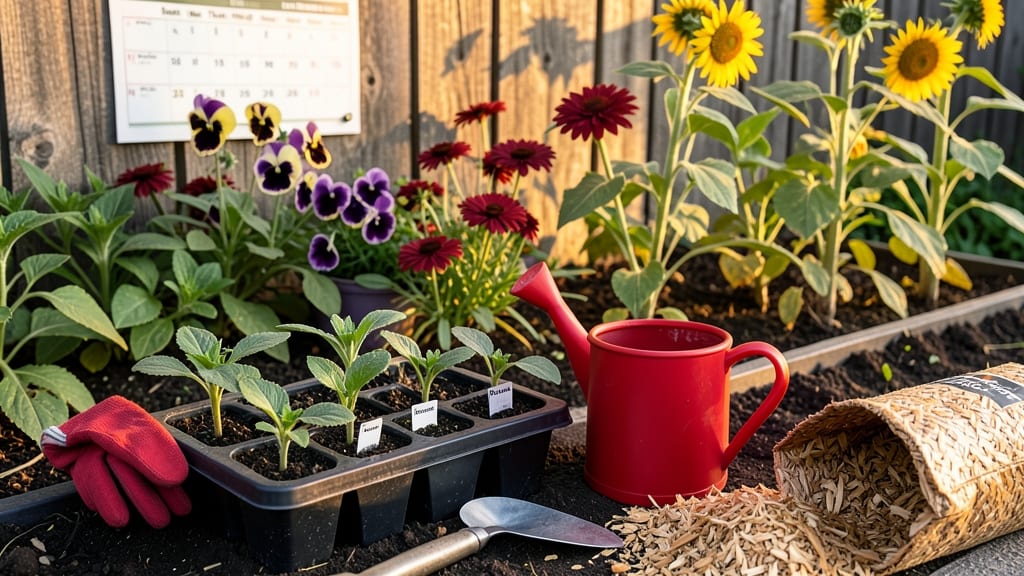
Timing your flower planting in Denver isn’t just about following a calendar—it’s about matching your blooms to the city’s unpredictable frost dates and high-altitude chill. Get it wrong, and your hard work could freeze before it even sprouts.
The key? Understanding how many chill-hours your favorite flowers need to thrive in Denver’s USDA Zone 5b/6a climate.
I’ve spent years tracking Denver’s frost patterns, and what I’ve learned will help you avoid common mistakes. Whether you’re planting delicate annuals or hardy perennials, knowing the exact window—like April 20–May 10 for most spring blooms—makes all the difference.
Let’s break down the science behind chill-hour matching so your garden doesn’t just survive, but flourishes.
From pansies that love cooler temps to peonies that demand 900+ chill-hours, Denver’s microclimates create unique challenges. You’ll discover how to stretch your growing season with smart techniques, like using row covers or selecting the right spot in your yard. No more guessing—just vibrant, frost-free blooms all season long.
Ready to transform your garden into a year-round showstopper? Stick with me, and I’ll show you exactly when to plant, what to plant, and how to protect your flowers from Denver’s tricky weather shifts. Your future garden will thank you.
Denver flower planting calendar by chill-hours and frost dates
Denver’s USDA Zone 5b/6a climate creates unique challenges for gardeners, with average last frost dates between April 20–May 10 and first fall frosts arriving as early as September 20.
Understanding these chill-hour requirements ensures your flowers thrive year-round. Cool-season flowers need 300–600 chill hours, while warm-season varieties prefer 900+ hours of cold exposure.
Timing your plantings around Denver’s frost dates maximizes bloom potential. For example, cool-season annuals like pansies and snapdragons can handle light frosts, while tender perennials like dahlias need to wait until after the last frost. Bulbs, however, often require fall planting to establish roots before winter dormancy.
Chill hours measure accumulated cold exposure below 45°F. Denver’s high altitude (5,280 ft) means temperatures drop faster than at sea level, so even mild frosts can damage young plants. Use this month-by-month guide to align your plantings with Denver’s climate patterns and avoid costly mistakes.
| Season | Plant Type | Chill-Hours Needed | Planting Window | Frost Tolerance |
|---|---|---|---|---|
| Spring | Cool-Season Annuals | 300–600 hrs | April 15–May 10 | Moderate (28°F+) |
| Spring | Perennials (Hardy) | 900+ hrs | April 1–May 15 | High (20°F+) |
| Summer | Warm-Season Annuals | 0–300 hrs | May 15–June 15 | Low (32°F+) |
| Fall | Bulbs (Spring Bloomers) | 600–900 hrs | September 1–October 15 | High (15°F+) |
| Fall | Cool-Season Annuals | 300–600 hrs | August 15–September 30 | Moderate (28°F+) |
In spring, focus on cool-season flowers like pansies, snapdragons, and sweet peas, which tolerate light frosts. Plant these 4–6 weeks before the last frost (around April 15) for early blooms.
For warm-season flowers like marigolds and zinnias, wait until after May 10 when soil temperatures exceed 60°F.
Fall planting is ideal for bulbs like tulips and daffodils, which need 6–8 weeks of cool weather to establish roots. Aim for September 1–October 15 to ensure they survive Denver’s first fall frosts. Cool-season annuals like kale and calendula can also be sown in late summer for autumn/winter color.
Denver’s microclimates vary dramatically—urban areas stay warmer than mountain foothills. Use a frost-free date calculator (like the National Weather Service’s) to adjust your planting schedule. For example, south-facing slopes may warm up 1–2 weeks earlier than north-facing gardens.
Always harden off seedlings before transplanting, especially if moving them from indoor starts to outdoor conditions. Gradually expose them to Denver’s wind and sun over 7–10 days to prevent shock. This is critical for tender perennials like canna lilies, which struggle with sudden temperature drops.
Monitor local weather forecasts closely in April and October, as Denver’s frost dates can shift ±10 days yearly. A late-spring frost in May or an early fall freeze in September can devastate unprotected plants. Use frost cloths or row covers as a safeguard for high-value blooms.
For container gardening, remember that pots freeze faster than in-ground soil. Move tender plants to protected locations or use heat mats during late spring nights. Succession planting
Best flowers to plant in Denver by season (with chill-hour matching)
Denver’s high-altitude climate and variable chill-hours mean not all flowers thrive year-round. Matching your plants to Denver’s USDA Zone 5b/6a and 300–1,200 chill-hours ensures vibrant blooms. Here’s my curated list of top performers by season, with exact chill-hour requirements and planting windows.
For spring bloomers, prioritize cool-season flowers like pansies (300–600 hours) and snapdragons (400–800 hours). These handle Denver’s late frosts (April–May) while delivering early color. Plant them 4–6 weeks before last frost (mid-March to early April) for peak performance.
Summer’s warm-season favorites—like zinnias (600–900 hours) and marigolds (500–800 hours)—need soil temps above 60°F. Wait until mid-May to June to avoid frost damage. These thrive in Denver’s dry heat and require minimal water once established.
🌱 Did You Know? Denver’s microclimates (e.g., urban vs. foothills) can shift chill-hours by 100–300 hours. Use a local weather station or Denver Botanic Gardens’ frost data to fine-tune your timing.
Spring (March–May): Pansies, Sweet peas, Calendula (300–600 chill-hours). Plant 4–6 weeks before last frost (mid-March).
Summer (June–August): Zinnias, Black-eyed Susans, Lantana (600–900 chill-hours). Start after May 15 for frost-free growth.
Fall (September–October): Mums, Astors, Pansies (900+ chill-hours). Plant 6–8 weeks before first frost (late July–early August).
Winter (November–February): Bulbs (tulips, daffodils) (1,200+ chill-hours). Plant October–November for spring blooms.
Native Denver favorites like columbines and blanket flowers require minimal chill-hours (300–500) and drought tolerance, making them low-maintenance choices. Pair them with drought-resistant annuals like portulaca for year-round color with zero extra watering.
Pro tip: Use row covers to extend spring planting by 2–3 weeks for heat-loving flowers like geraniums. Remove covers once soil warms to 65°F to prevent overheating.