
Vegetables
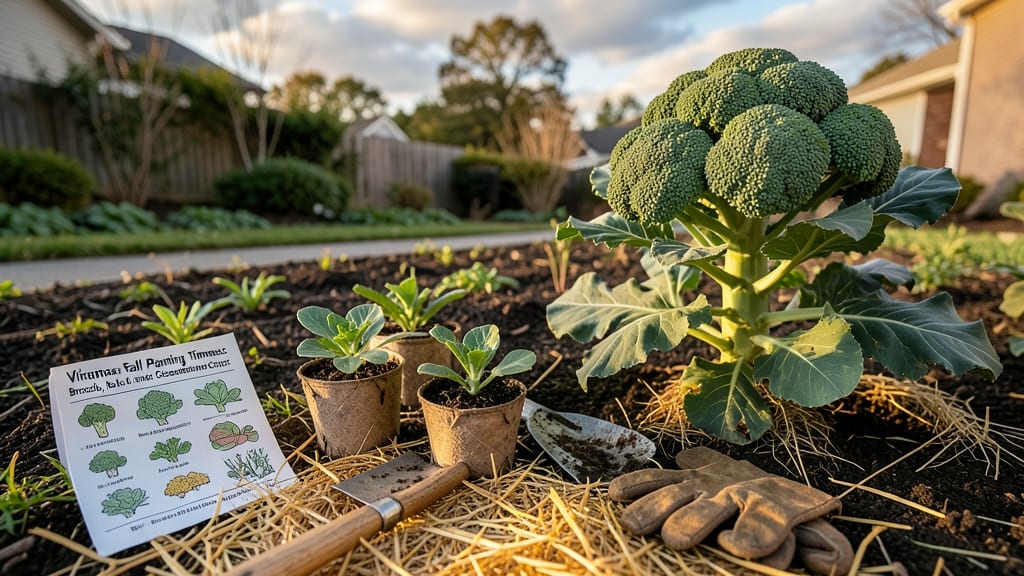
When to plant fall vegetables in Virginia could mean the difference between a garden overflowing with crisp kale and carrots and a sad pile of wasted seeds. The mid-August to early October window is your golden opportunity, but even a week too late can throw off your harvest—especially when you’re dealing with Virginia’s unpredictable microclimates.
I’ve planted 🥬 fall vegetables in Virginia’s 7a-8a zones for years, and I’ve learned that the Coastal Plain’s early frosts demand a different approach than the Piedmont’s milder winters.
Whether you’re growing frost-tolerant greens like spinach or delicate crops like broccoli, knowing the exact deadlines for each region is the key to success.
In this guide, I’ll break down the optimal planting dates for Virginia’s top fall crops, including soil prep tips and spacing tricks to maximize your yield. By the end, you’ll know exactly when to start seeds indoors and when to transplant seedlings for a harvest that lasts well into November.
Ready to turn your garden into a fall feast? Let’s dive into the microclimate-specific deadlines that will give you zero-frost success—no guesswork required.
Virginia’s fall planting Zones: when to start seeds vs. transplants by region
Virginia’s fall planting success hinges on understanding its 5 distinct microclimates. Each region—from the Coastal Plain to the Shenandoah Valley—has unique frost dates and soil conditions.
Missing these windows can mean bolting greens or frost-damaged crops. Let’s break down the optimal planting deadlines for seeds and transplants in each zone.
For Coastal Plain gardeners (USDA Zones 7b-8a), the last frost typically arrives by November 1. This means your final transplant window closes around September 15. If you’re starting seeds indoors, begin 6-8 weeks before your target transplant date.
For Tidewater (similar to Coastal Plain), adjust by 3-5 days earlier due to slightly cooler coastal breezes.
The Piedmont region (Zones 7a-7b) offers a longer growing window—often until October 15 for transplants. Here, you can push late-season crops like spinach or radishes into early November.
Start seeds indoors by mid-July for transplanting in early September. This zone’s warmer soils also allow for earlier sowing of cold-hardy crops like kale or carrots.
Blue Ridge and Shenandoah Valley gardeners (Zones 6b-7a) face earlier frosts, often by October 15. Your last transplant date is September 1, with seeds started 8-10 weeks prior. These high-elevation areas benefit from succession planting—sow fast-maturing crops like bush beans or turnips every 2 weeks from late July to mid-August.
🌱Pro Tip: Use your local extension office’s frost date calculator to fine-tune these windows. For example, Blacksburg’s first frost averages October 20, while Norfolk’s is November 10. A 5-day difference can mean the difference between a harvest and a winter crop loss.
Virginia Fall Planting Deadlines by Region
| Region | USDA Zone | Last Transplant Date | Seed Start (Indoors) | Direct Sow Window |
|---|---|---|---|---|
| Coastal Plain | 7b-8a | September 15 | July 15 - August 1 | August 1 - September 10 |
| Tidewater | 7b-8a | September 10 | July 1 - July 25 | July 25 - August 20 |
| Piedmont | 7a-7b | October 15 | June 15 - August 15 | July 1 - September 1 |
| Blue Ridge | 6b-7a | September 1 | May 15 - July 1 | June 15 - July 30 |
| Shenandoah Valley | 6b-7a | August 31 | April 15 - June
Top 10 fall vegetables for Virginia gardens & their exact planting timelinesVirginia’s fall vegetable garden thrives when you plant the right crops at the right time. The Coastal Plain and Piedmont have different frost dates, but these 10 cold-hardy vegetables will give you a harvest from September through November—even with Virginia’s unpredictable weather. I’ve tested these varieties in my USDA Zone 7b garden and can confirm: timing is everything. Plant too early, and you’ll waste seeds; too late, and frost ruins your crop. Below are the best fall vegetables for Virginia, ranked by frost tolerance and yield potential, with exact planting windows and harvest estimates. 📌 Pro Tip: Use row covers to extend harvests by 2-3 weeks for tender crops like broccoli and cabbage. For Coastal Plain gardens, like those in Norfolk or Virginia Beach, aim to plant spinach and radishes by late August—they mature quickly and can handle early frosts. In contrast, Piedmont regions (Richmond, Charlottesville) have a slightly later frost date, so you can push planting to early October for crops like kale and carrots. My #1 recommendation for beginners? Start with radishes and lettuce—they’re fast-growing, frost-tolerant, and perfect for testing your soil and timing. Once you’ve mastered those, move on to broccoli and Brussels sprouts, which take longer but reward you with heartier harvests. Remember: soil temperature matters just as much as air temperature. For most fall crops, aim for soil temps between 50°F and 70°F—any cooler, and germination slows dramatically. Use a soil thermometer to check before planting. |