
Plants
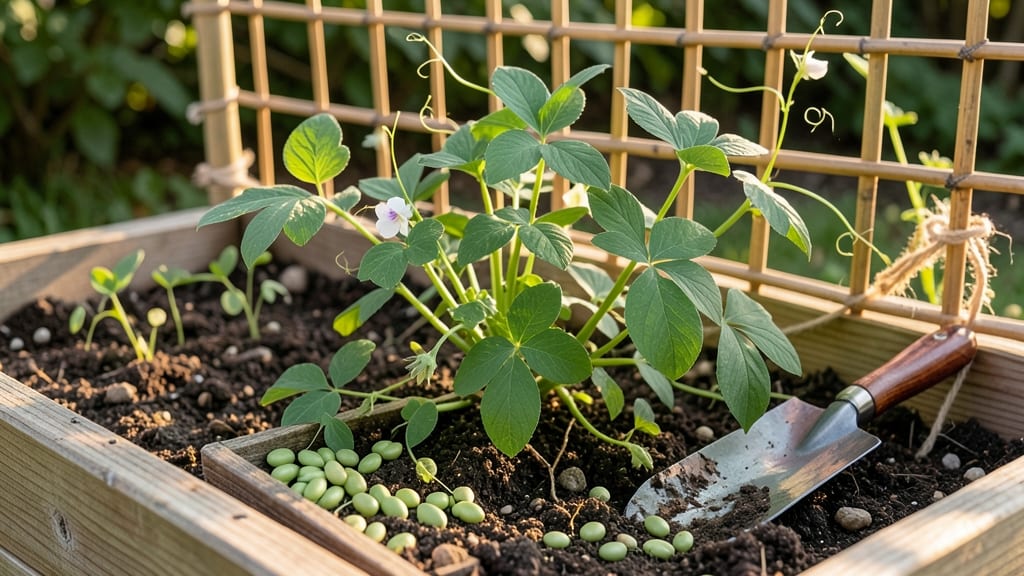
Knowing when to plant English peas in Alabama is your first step to a bountiful harvest—or a frustrating bolt of flowers instead of pods. Alabama’s 7a-8b zones demand precision, and getting the timing wrong means skipping the sweet, tender peas you crave.
Most gardeners in Alabama plant English peas 🌱 between February and March, but the real secret lies in matching your variety to chill hours. Too little cold, and your peas bolt before producing; too much, and they struggle to thrive.
I’ll break down the exact windows and varieties that work best in your region.
Whether you’re a first-timer or a seasoned gardener, this guide will help you avoid common mistakes. Learn how to time your planting for peak flavor and yield, and discover which varieties handle Alabama’s unpredictable springs like a pro.
Ready to grow peas that actually produce? Let’s dive into the chill-hour math and soil prep that’ll set you up for success—no guesswork required.
Alabama’s best planting windows for English peas by chill-hour requirements
Alabama’s climate—with its warm winters and unpredictable springs—demands a strategic approach to planting English peas. Unlike northern states, we can’t rely on long, cold winters to satisfy chill-hour requirements.
Instead, we must time plantings to align with natural temperature drops or use fall/winter crops for success. The key? Understanding chill hours and adjusting for North vs. South Alabama’s microclimates.
English peas need 300–1,000+ chill hours (below 45°F) to thrive.
In Alabama, this means fall planting (August–September) for winter harvests or early spring planting (February–March) for spring yields. North Alabama’s cooler zones (7a) can handle more chill hours, while South Alabama’s warmer zones (8b) may need shade cloth or succession planting to prevent bolting.
Here’s how to match your pea variety to Alabama’s planting windows based on chill-hour needs:
| Planting Window | Chill-Hour Range | Best Varieties | Alabama Region | Soil Temp Requirement |
|---|---|---|---|---|
| Late August–Early September | 300–500 hours | 'Green Arrow,' 'Little Marvel' | South Alabama (8b) | 45–50°F |
| Mid-September–October | 500–700 hours | 'Lincoln,' 'Alaska' | Central Alabama (7b) | 40–45°F |
| Late October–November | 700–1,000+ hours | 'Oregon Sugar Pod,' 'Wando' | North Alabama (7a) | 35–40°F |
| February–Early March | 0–300 hours (spring) | 'Sugar Snap,' 'Tom Thumb' | All regions (with shade) | 50–55°F |
For spring planting, aim for 4–6 weeks before your last frost date (typically mid-March in North Alabama, late February in South Alabama).
Use a row cover if nights dip below 40°F to protect tender seedlings. Fall planting is riskier in South Alabama due to mild winters, but succession sowing every 2 weeks from August–October can extend your harvest window.
Soil temperature is just as critical as air temperature. Peas won’t germinate well in soil below 45°F. Use a soil thermometer to confirm readiness—wait until soil hits 50°F for reliable germination.
In North Alabama, this often aligns with late February–early March, while South Alabama may need to wait until mid-March.
Pro tip: Direct-sow seeds 1 inch deep, 2–3 inches apart, in rows 18–24 inches apart. This spacing prevents disease spread and ensures proper air circulation, which is crucial in Alabama’s humid climate.
Add compost or aged manure to planting holes for a nutrient boost—peas are light feeders but benefit from phosphorus-rich soil for strong roots.
Bolting (premature flowering) is your biggest enemy in Alabama’s unpredictable springs. To avoid it, plant early when days are shorter, or use shade cloth (30–50%) to mimic cooler conditions. Succession planting every 2 weeks from February–April ensures a steady harvest before heat sets in.
In South Alabama, consider fall crops only—spring planting often leads to bolting by May.
Remember: Alabama’s frost dates vary wildly. Monitor local CoCoRaHS weather stations or use the Alabama A&M Extension’s frost calendar for real-time updates. With the right chill-hour match and planting strategy, you’ll enjoy sweet, tender peas from late winter to early summer—without the bolting blues.
🌱
Alabama’s best planting windows for English peas by chill-hour requirements
Alabama’s climate offers two prime windows for planting English peas: fall/winter and early spring. The key? Matching your variety to the chill-hour needs of your region. North Alabama (USDA Zone 7a) typically accumulates 1,000+ chill hours, while South Alabama (Zone 8a) sees 300-600 hours.
This difference determines whether you can grow winter-hardy varieties or stick to spring plantings.
For North Alabama gardeners, the sweet spot is late September to early October for fall planting, allowing peas to mature before winter sets in. In South Alabama, where winters are milder, aim for November to December plantings.
Both regions can also plant in February to March for a spring harvest, but timing is critical to avoid premature bolting from Alabama’s unpredictable spring warmth.
Here’s the breakdown of your optimal planting windows based on chill-hour requirements and regional microclimates:
| Region | Chill Hours | Best Planting Window | Notes |
|---|---|---|---|
| North Alabama (Zone 7a) | 1,000+ hours | Late Sept - Early Oct (Fall) OR Feb - Early March (Spring) | Hardy varieties like 'Lincoln' thrive here. |
| South Alabama (Zone 8a) | 300-600 hours | Nov - Dec (Fall) OR Feb - Mid-March (Spring) | Milder winters limit winter options; stick to cold-tolerant varieties. |
| Both Regions | N/A | Late March - Early April (Succession Planting) | Extend harvest with 2-3 week intervals. |
Soil temperature is just as critical as air temperature. English peas won’t germinate below 40°F, so wait until the soil warms to 45°F for spring plantings. Use a soil thermometer to check—this is especially important in South Alabama, where spring warmth arrives earlier.
For fall plantings, aim to sow 6-8 weeks before the first expected frost (typically mid-November in most areas).
Pro tip: North Alabama’s cooler microclimates (like the Appalachian foothills) can handle earlier fall plantings than the warmer valleys. Adjust your schedule by 1-2 weeks based on your specific elevation and local frost data.
Always check your last frost date (usually mid-March) and count backward from there for spring plantings.
Remember, succession planting is your secret weapon against bolting. Instead of one massive planting, stagger seeds every 2-3 weeks in spring for a continuous harvest. This works especially well in South Alabama, where the growing window is shorter.
Pair this with shade cloth during heatwaves to keep peas cool and happy.
Now that you’ve got your timing down, your next move is selecting the right varieties for Alabama’s climate. Some handle our chill hours like champions, while others bolt faster than a rabbit in a garden. Let’s dive into the top performers in the next section!