
Plants
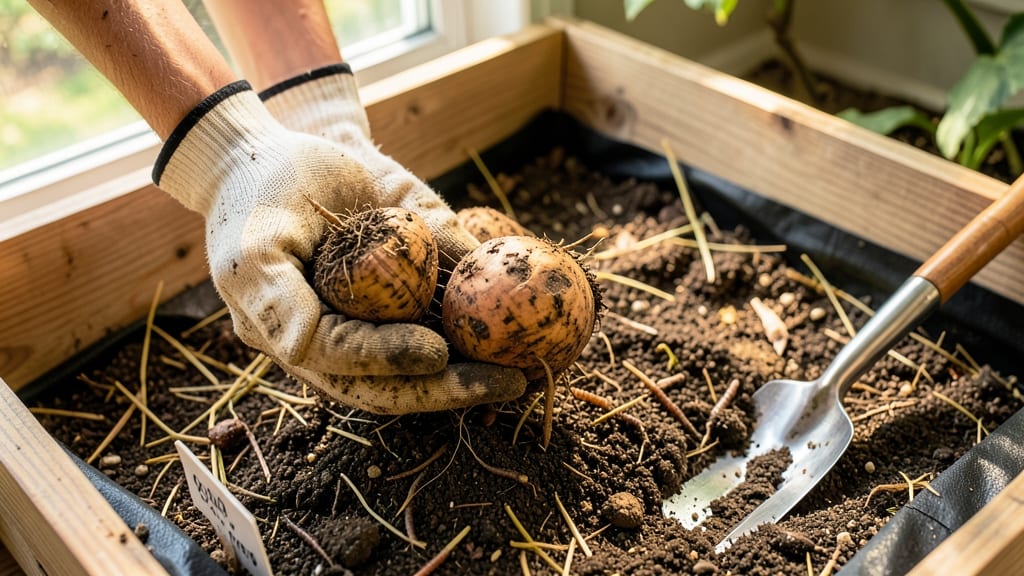
Planting dahlias in Alabama isn’t just about timing—it’s about outsmarting the state’s unpredictable swings from frost to scorching heat. The wrong move, and your 🌸 dahlias could wilt before they even bloom, leaving you with a garden full of missed opportunities instead of showstopping color.
You’ve got just 6 weeks between the last frost (usually mid-March) and the brutal summer heat that arrives by May. That narrow window is your golden ticket to dahlias that thrive from tuber to vibrant bloom—if you know the exact strategies Alabama gardeners swear by.
I’ll break down the heat-wise schedule that keeps dahlias alive and blooming, from pre-sprouting tubers to managing Alabama’s infamous humidity.
Whether you’re in Zone 7b or 8b, these tips will help you avoid the two biggest mistakes: planting too early (and risking frost) or too late (and watching your dahlias struggle in the heat).
Let’s get your dahlias in the ground at the perfect moment—so you’re not left with wilting stems by summer’s end. Ready to turn your Alabama garden into a dahlia paradise?
Optimal planting timeline for dahlias in Alabama’s climate zones
Alabama’s USDA Zones 7b-8b create a unique challenge for dahlia growers, where late frosts in March and scorching summers demand precision timing. Unlike cooler climates, Alabama’s frost-free window is shorter, and soil warms faster, meaning you must act quickly to avoid heat stress before blooms appear.
For northern Alabama (e.g., Huntsville, Decatur), aim to plant dahlia tubers between mid-April and early May after the last frost date, typically around March 20-30. In southern Alabama (e.g., Mobile, Birmingham), you can start as early as late March, but only if nighttime temperatures stay above 50°F consistently.
Here’s the critical window to remember: Dahlias need 60°F soil to sprout, but tubers planted too early may rot in cool, wet soil. Use a soil thermometer to confirm readiness—this is non-negotiable in Alabama’s unpredictable spring weather.
Pro Tip: Pre-sprout tubers indoors 4-6 weeks before your target outdoor planting date. Place them in moist peat moss or perlite at 70°F to encourage early growth, giving you a 2-3 week head start on Alabama’s heat.
| Region | Last Frost Date | Optimal Planting Window | Soil Temp Requirement | Key Risk |
|---|---|---|---|---|
| Northern AL (Zones 7b) | March 20-30 | Mid-April to early May | 60°F+ | Late frosts |
| Central AL (Zones 7b-8a) | March 15-25 | Late March to mid-April | 60°F+ | Heat stress |
| Southern AL (Zones 8a-8b) | February 28 - March 15 | Late March to early April | 60°F+ | Humidity + heat |
Plant tubers 4-6 inches deep, 12-18 inches apart in well-draining soil.
If you miss the primary planting window, don’t panic—Alabama gardeners can try a two-wave planting strategy. Plant half your tubers in the optimal window, then sow the rest in early June for a fall bloom extension. Just ensure soil stays consistently moist during Alabama’s dry summer months.
For container gardening, adjust your timeline by 2-3 weeks later—pots heat up faster and dry out quicker. Use black plastic pots to absorb heat and self-watering systems to compensate for Alabama’s intense afternoon sun.
Remember: Dahlias are tender perennials in Alabama’s climate. While they’ll re-sprout yearly, their tubers need protection from winter freezes. Plan to dig and store tubers before the first frost (mid-November in most areas) to replant next spring.
Alabama’s humidity and heat can turn dahlias into wilting disappointments if planted too early. But with this heat-wise schedule, you’ll outsmart the climate and enjoy bold blooms from July through October—just in time for Alabama’s fall festivals.
How to time dahlias for Alabama’s heat: avoiding wilting before blooms
Alabama’s summer heat isn’t just hot—it’s a dahlia-killer if you don’t act fast. The key to survival? Planting tubers after soil hits 60°F and using tricks like two-wave planting to stretch your bloom season past July’s scorching peak.
I’ve learned the hard way that dahlias planted too early in Zone 7b often wilt by June, while those planted late miss their full potential.
Your goal is to give dahlias 6-8 weeks of warm soil before the real heat arrives. That means starting tubers indoors in late February if you’re in northern Alabama, or waiting until mid-March in the south. The difference? A garden full of blooms instead of crispy stems.
Here’s the secret weapon: mulching with straw (3-4 inches thick) to keep roots cool. I’ve seen dahlias in Birmingham’s 95°F heat thrive with this trick, while unmulched plants bolted within weeks. Pair that with morning watering (never overhead in the afternoon) to prevent fungal rot from Alabama’s humidity.
⚠️ Heat Stress Warning
Symptoms: Yellowing leaves, drooping stems, or buds that refuse to open.
Cause: Soil temps above 85°F or inconsistent watering.
Fix: Move plants to partial shade (50% sun) during 100°F+ days and increase water to 2 gallons per plant daily.
For a two-wave planting strategy, plant 1/3 of tubers in late March and the rest in early May. The first batch blooms in June/July, while the second wave takes over in August-September.
This ensures color even when Alabama’s heat would normally shut down blooms. Just remember: never plant after June 1st—new tubers won’t establish roots before winter.
Pro tip: Use black plastic mulch to warm soil faster in spring. I’ve seen it raise soil temps by 10°F in just days, giving dahlias a head start. Combine this with compost-rich soil (dahlias hate poor drainage) and you’ve got the perfect heat-beating combo.
Your dahlias will thank you with vibrant blooms until frost—not wilting by July. The effort is worth it for Alabama gardens that pop with color when others are fading.