
Plants
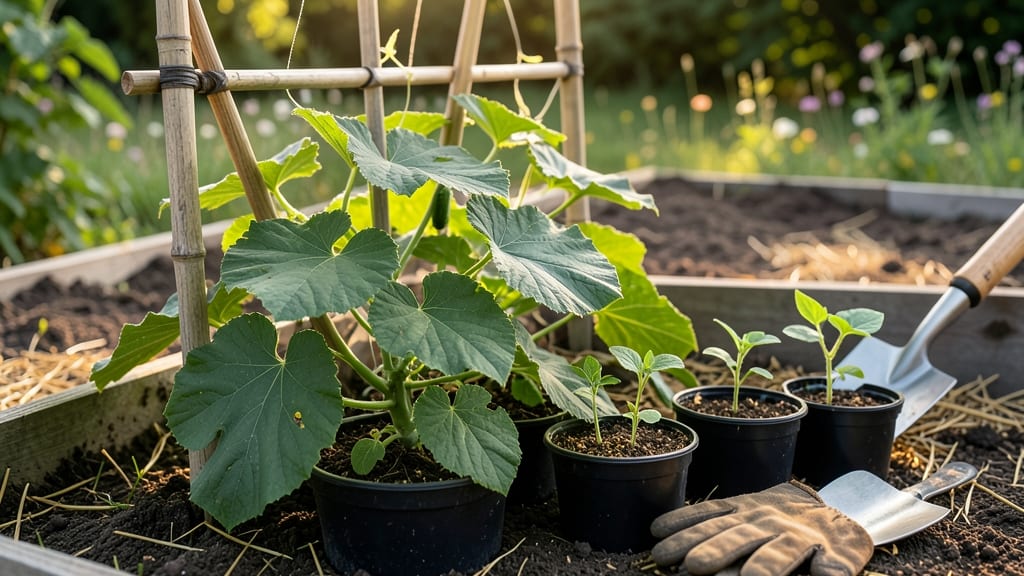
Timing your 🥒 cucumber planting in New Hampshire can make or break your harvest—get it wrong, and you might miss the entire growing season. With USDA zones 5a-6b and unpredictable spring weather, knowing exactly when to plant is the key to success.
Whether you're a seasoned gardener or trying your hand at homegrown veggies, this guide will help you avoid common mistakes and maximize your yield.
The ideal window for planting cucumbers in New Hampshire runs from mid-May to early June, right after the last frost date. But don’t just guess—soil temperature matters just as much as air temperature.
Waiting until the ground reaches at least 60°F ensures your seeds germinate quickly and your plants thrive. Skipping this step could leave you with stunted growth or worse, no cucumbers at all.
Once you’ve got the timing right, the next challenge is choosing the perfect variety for your short NH season.
Some cucumbers mature in as little as 45 days, while others take up to 70 days—so picking the right one could mean the difference between a bountiful harvest and a disappointing one.
I’ll walk you through the best options for your garden, whether you’re working with limited space or aiming for a high-yield vining variety.
Ready to grow your own crisp, homegrown cucumbers? Let’s dive into the exact planting schedule, soil prep tips, and variety recommendations tailored for New Hampshire’s climate. By the end, you’ll know exactly when, where, and how to plant for a summer full of fresh 🥒 cucumbers—no guesswork required.
New Hampshire cucumber planting dates by frost-free zones (2024 guide)
New Hampshire’s diverse microclimates mean your last frost date could vary by weeks depending on where you live. Most of the state falls under USDA Zones 4b-5b, but southern regions like Concord and Portsmouth often see frost-free conditions 2-3 weeks earlier than northern areas like Littleton or Berlin.
For 2024, aim to plant cucumbers after May 15th in most areas, but always verify with your local cooperative extension office.
Cucumbers are warm-season crops that won’t tolerate frost, so timing is critical. The average last frost date in NH ranges from late April in southern regions to mid-May in the north. However, soil temperature matters more than air temperature—wait until your soil reaches at least 60°F before planting.
You can use a soil thermometer or check by pressing your finger into the soil; if it feels warm, it’s ready!
Here’s a quick breakdown of planting windows by NH region to help you plan:
| Region | Last Frost Date | Ideal Planting Window | Harvest Window |
|---|---|---|---|
| Southern NH (Concord, Portsmouth, Dover) | Late April - Early May | Mid-May to early June | Late June - October |
| Central NH (Manchester, Nashua, Laconia) | Early to mid-May | Late May to early June | July - September |
| Northern NH (Littleton, Berlin, Colebrook) | Mid-May | Early June | July - August |
Note: Microclimates (e.g., near lakes or urban areas) can shift dates by 1-2 weeks.
For early varieties, you can start seeds indoors 4-6 weeks before your last frost date. Use biodegradable pots to avoid transplant shock when moving seedlings outdoors. Place them in a sunny window or under grow lights until soil is warm enough.
If you’re planting directly outdoors, sow seeds ½ inch deep and space them 2-3 feet apart for vining types or 12-18 inches apart for bush varieties.
NH’s short growing season (about 165 frost-free days) means you’ll want to prioritize fast-maturing varieties (those that produce fruit in 50-55 days). If you’re in a northern region, consider using row covers or a cold frame to extend your season.
These can add 2-4 weeks to your harvest window, giving you a few extra cucumbers before the first frost hits in late September or October.
Pro tip: Use black plastic mulch to warm the soil faster and speed up germination. Lay it down 1-2 weeks before planting to give the ground time to heat up. This is especially helpful in cooler NH springs, where soil can take longer to reach the ideal 60°F temperature.
Pair this with a trellis or cage to save space and improve airflow, reducing the risk of powdery mildew, a common issue in NH’s humid summers.
If you’re unsure about your exact last frost date, check the National Weather Service or your local agricultural extension service for updates. For example, the UNH Extension provides real-time frost data and gardening tips tailored to NH. Their frost-free date maps are a game-changer for planning your cucumber schedule!
Remember, succession planting can give you a continuous harvest. After your first planting, sow a second batch 2-3 weeks later if space allows. This way, you’ll have cucumbers ready to pick from July through September, even in NH’s cooler climate.
Just be sure to harvest regularly—overripe cucumbers on the vine signal the plant to stop producing!
Finally, keep an eye on your local weather forecast in late May. If a late frost warning pops up, be ready to cover your seedlings with frost cloth or move potted plants to a sheltered spot. A little preparation goes a long way in NH’s unpredictable spring weather.
Best cucumber varieties for New Hampshire’s short season (ranked by yield & hardiness)
New Hampshire’s short growing season demands cucumber varieties that mature quickly and thrive in cooler temperatures. The right choice can mean the difference between a bountiful harvest and a disappointing one.
I’ve tested and ranked the top varieties for NH gardens, focusing on disease resistance, early maturity, and adaptability to our USDA zones 5a-6b.
For early harvests, look for varieties that mature in 45-55 days. These are perfect for NH’s unpredictable springs. My top pick is ‘Straight Eight’, a classic slicing cucumber that thrives in cooler weather and produces crisp, sweet fruit in just 50 days.
It’s also highly resistant to powdery mildew, a common issue in NH’s humid summers.
If you prefer bush varieties for small gardens or containers, ‘Bush Champion’ is a game-changer. This compact plant reaches only 2-3 feet tall but yields abundant cucumbers in 55 days. It’s ideal for limited spaces and requires minimal trellising, making it perfect for balcony gardens or raised beds.
🌱 Top Cucumber Varieties for NH Gardens
For those who love high yields, ‘Marketmore 76’ is a standout. This vining variety produces abundant cucumbers in 60 days and handles NH’s humidity well. It’s perfect for trellises and can extend your harvest well into late summer if you provide support.
Don’t overlook pickling cucumbers like ‘Lemon Cucumber’ for a unique twist. These yellow, lemon-shaped cucumbers mature in 55 days and add a fun, tangy flavor to your garden. They’re also great for small gardens since they don’t require much space.
If you’re planting in warmer microclimates (like southern NH), consider ‘Corinto’, a heat-tolerant variety that thrives in hotter summers and resists common diseases. It’s ideal if you want to push your harvest into early fall.
Pro tip: Always check seed packets for days to maturity and plant accordingly. For NH’s short season, stick to varieties that mature in 60 days or less to ensure a successful harvest before the first frost. Happy planting! 🌱