
Plants
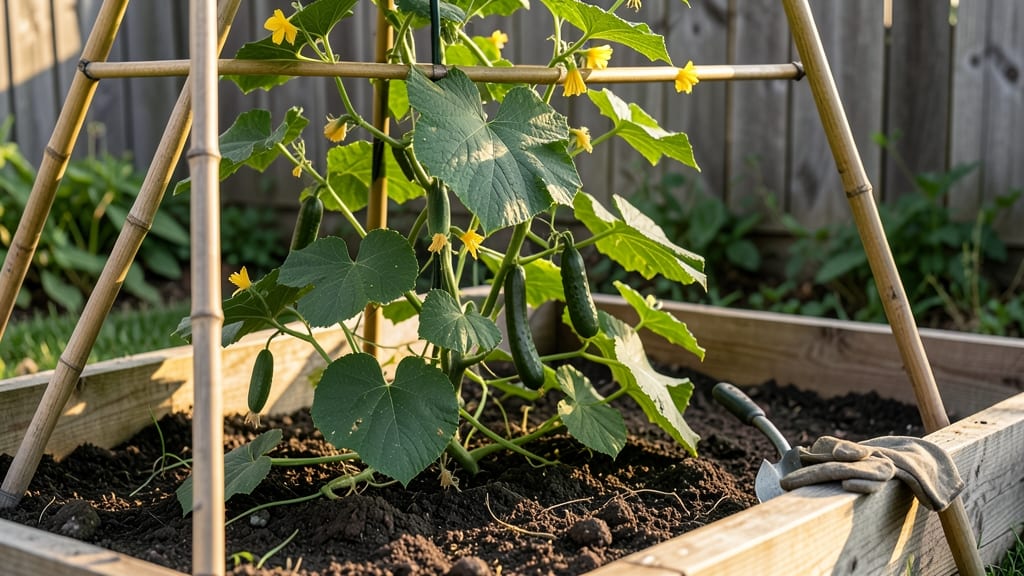
Timing your 🥒 cucumber planting in Maine isn’t just about the calendar—it’s about catching that sweet spot when soil warmth triggers fast germination and your plants race ahead of fall frost.
With USDA zones 5b-6b and unpredictable coastal winds, getting it right means the difference between a bountiful July harvest and watching your seeds rot in cold soil.
Most gardeners wait until mid-May to early June, but that’s only half the battle. The real secret lies in soil temperature—60°F or warmer—which can lag behind air temperatures by weeks.
I’ll show you how to test your soil and adjust planting dates, whether you’re direct-sowing in raised beds or starting seedlings under lights for a head start.
Maine’s shorter growing season demands smart strategies, from black plastic mulch to cold-hardy varieties that tolerate cooler summers. We’ll cover when to plant for both early and late harvests, plus how to protect your vines from unexpected chills.
Skip the guesswork and let’s get those cucumbers growing fast—before the first frost sneaks up in October.
Whether you’re a first-time gardener or a veteran with frostbitten memories, these insights will help you double your yield and enjoy crisp, homegrown 🥒 cucumbers from July through September. Ready to turn your garden into a productivity powerhouse?
Best planting dates for cucumbers in Maine based on soil temperature
Timing cucumber seeds in Maine isn’t just about the calendar—it’s about soil temperature. Cucumbers need consistent warmth to germinate, and Maine’s cool springs can delay growth if planted too early.
The magic number? 60°F soil temperature, which typically occurs between mid-May and early June across most of the state.
For coastal Maine (like Portland or Bar Harbor), soil warms faster due to the maritime climate, often reaching 60°F by late May. Inland areas (such as Augusta or Bangor) may need to wait until early June because cooler nights slow soil warming.
Always check your local last frost date—Maine’s average ranges from May 15 to June 1, depending on elevation.
Here’s how to test your soil warmth: Use a soil thermometer (available at garden centers for under $10) and measure 2 inches deep in the morning.
If the temperature drops below 55°F at night, germination will stall. Black plastic mulch can raise soil temps by 5-10°F, giving you a 2-week head start on planting.
🌱 Maine Cucumber Planting Timeline
| Stage | Action | Soil Temp | Notes |
|---|---|---|---|
| Indoor Start (Optional) | Sow seeds 3-4 weeks before last frost | N/A | Use grow lights if natural light is <6 hours |
| Outdoor Planting | Direct-sow after soil hits 60°F | 60°F+ | Coastal: Late May | Inland: Early June |
| Transplanting | Move seedlings after hardening off | 60°F+ | Best for late starters; use row covers |
| Late Season | Sow heat-tolerant varieties by July 15 | 55°F+ | Use black plastic mulch to extend harvest |
🌡️ Pro Tip: Maine’s microclimates vary by just 10 miles. Check a neighbor’s garden if yours feels cooler!
If you’re eager to start earlier, consider greenhouse or cold-frame planting. These structures can create a 5-6 week head start by trapping heat. For example, sow seeds in a greenhouse by mid-April, then transplant outdoors after Memorial Day.
Just beware of cucumber beetles, which thrive in warm microclimates—use row covers until flowers appear.
For direct-sowing outdoors, aim for late May to early June in most of Maine. Choose a sunny, sheltered spot (like a south-facing fence) to protect young plants from late frosts.
Plant seeds 1 inch deep and 2-3 feet apart for bush varieties or 3-4 feet apart for vining types. Thin seedlings to the strongest plant per spot to avoid crowding, which invites disease.
One common mistake in Maine is planting too early and watching seedlings wilt from cold soil. To avoid this, use biodegradable seed starters or heat mats if sowing before Memorial Day.
These tools can raise soil temps by 10°F, speeding up germination from 10-14 days to just 5-7 days. My personal trick? Layer straw mulch over black plastic to retain moisture while warming the soil.
Don’t forget to account for Maine’s short growing season. With only 160 frost-free days on average, you’ll want to focus on fast-maturing varieties like ‘Straight Eight’ (55 days) or ‘Lemon Cucumber’ (50 days).
These varieties give you a 30% higher chance of a harvest before the first frost in mid-October. Pair them with trellising to save space and improve air circulation, reducing the risk of powdery mildew.
For coastal gardeners, leverage the maritime influence to plant 1-2 weeks earlier than inland areas. Coastal soil warms faster and holds heat longer, making it ideal for early cucumber varieties.
In contrast, northern Maine (Aroostook County) may need to wait until early June or use row covers to protect plants from chilly nights
Best planting dates for cucumbers in Maine based on soil temperature
Maine’s last frost date typically falls around mid-May, but that’s not your cue to rush out and plant 🥒 cucumbers. Cold soil can stall germination for weeks, leaving your seedlings vulnerable to late frosts.
The key is waiting until soil temperatures hit at least 60°F, which usually occurs in late May to early June, depending on your microclimate.
Coastal areas like Portland or Bar Harbor often warm up faster due to maritime influence, while inland regions like Augusta or Bangor may need to wait another week.
I’ve found that using a soil thermometer (just $15 at garden centers) eliminates guesswork—simply check temperatures at a 2-inch depth in the morning.
For a head start, begin indoor seedlings 3-4 weeks before your target outdoor date. Use grow lights to provide 12-14 hours of light daily, and transplant hardened-off seedlings when nighttime temperatures stay above 55°F consistently. This method adds critical growing time in Maine’s short season.
| Planting Method | Ideal Soil Temp | Maine Timeline | Notes |
|---|---|---|---|
| Direct Sowing | 60°F+ | Late May - Early June | Use black plastic mulch to warm soil faster |
| Indoor Seedlings | 65°F+ | Early May (start indoors) | Transplant after last frost when soil is warm |
| Greenhouse Start | 55°F+ | Late April | Extend season by 4-6 weeks |
| Late Succession | 60°F+ | Early July | Use cold-tolerant varieties like 'Northern Pickling' |
If you’re planting in raised beds, they’ll warm up faster than in-ground soil, giving you a 1-2 week advantage. I recommend adding compost or aged manure to the bed mix before planting to boost soil temperature naturally. For container growers, use black pots that absorb heat from the sun.
Watch for cold snaps in late May—even after soil warms up. If nighttime temperatures dip below 50°F, cover young plants with floating row covers until danger passes. This simple trick can save your crop from stunted growth or frost damage.
Remember, Maine’s first frost usually arrives in mid-October, giving you about 160 frost-free days. Planning your planting window around this timeline ensures you’ll harvest before cold weather sets in.
For maximum yield, aim to have plants established by early June—this gives them enough time to vine, flower, and produce before fall arrives.