
Plants
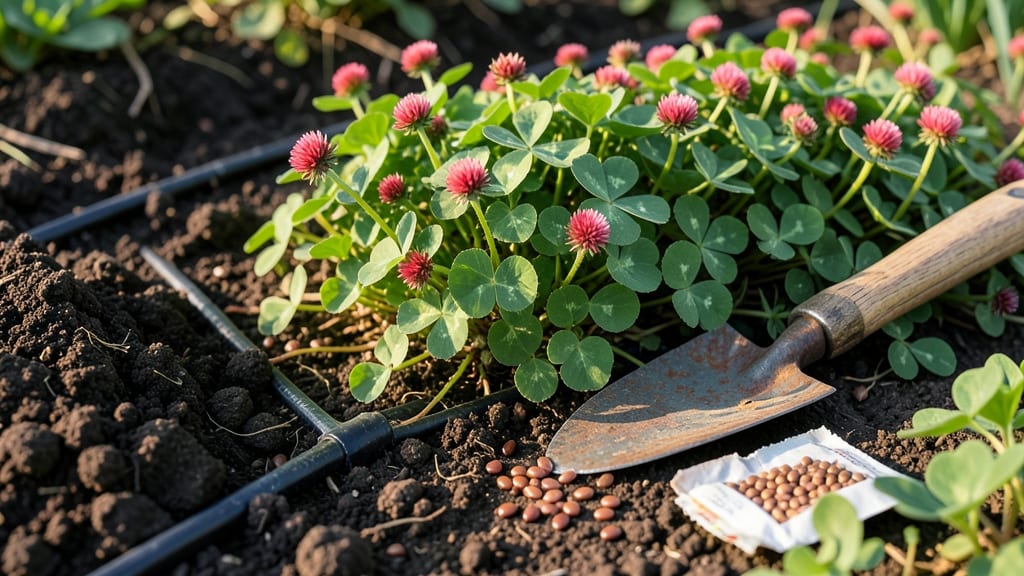
Timing your clover planting in Utah can mean the difference between a lush, thriving patch and a struggle against the state’s unpredictable climate. Whether you're in the low desert valleys or high mountain meadows, getting it right ensures faster establishment and healthier growth for your 🌱 clover.
Utah’s diverse elevations—from the warm valleys to the cooler highlands—create unique planting windows. The key is understanding when to plant for your specific zone, whether that’s early spring or late summer.
I’ll break down the best months by elevation, so you can avoid common mistakes and set your clover up for success.
You don’t need a green thumb to grow clover, but you do need to know the right time to plant. From soil prep to seed selection, I’ll walk you through the steps tailored to Utah’s climate. Let’s get your clover off to the fastest, most efficient start possible.
Ready to transform your lawn, garden, or pasture? The best time to plant clover in Utah isn’t one-size-fits-all—but with these insights, you’ll have a thriving cover crop in no time.
Utah’s best planting months for clover by elevation zone
Utah’s three distinct elevation zones dramatically impact when you should plant clover. Lowland areas (4,000–6,000 ft) have longer growing seasons, while high-elevation zones (8,000+ ft) require earlier starts. Understanding these differences ensures your clover establishes quickly and stays resilient against Utah’s temperature swings.
For lowland Utah (4,000–6,000 ft), like the Salt Lake Valley or St. George, aim for early spring (March–April) or late summer (August–September).
These zones typically see last frost dates around April 15, giving clover plenty of time to root before summer heat arrives. Mid-elevation zones (6,000–8,000 ft), such as Park City or Heber, should plant in late April–May or late August to avoid early frosts.
High-elevation areas (8,000+ ft), like the Wasatch Plateau, have shorter growing seasons. Here, plant as early as March or in late July–August to capitalize on the brief frost-free window. Soil temperatures below 50°F can delay germination, so wait until the ground warms slightly in spring.
Here’s a quick reference for your zone—adjust based on your local frost dates and microclimate:
| Elevation Zone | Best Planting Months | Last Frost Date | Soil Temp Threshold |
|---|---|---|---|
| Lowland (4,000–6,000 ft) | March–April, August–September | Mid-April | 50°F+ |
| Mid-Elevation (6,000–8,000 ft) | Late April–May, Late August | Early May | 55°F+ |
| High Elevation (8,000+ ft) | March, Late July–August | Late May | 60°F+ |
If you’re unsure about your local frost dates, check the Utah Climate Center or your county extension office. They provide hyper-local data that can shift planting windows by weeks. For example, St. George’s last frost often occurs weeks earlier than Salt Lake City’s, so adjust accordingly.
For spring planting, aim to sow clover 2–4 weeks before your last frost date. This gives seeds time to germinate before soil temperatures rise. In late summer, plant 6–8 weeks before your first frost to ensure roots establish before winter sets in.
Pro tip: Use a soil thermometer to confirm temperatures meet the thresholds above. Clover seeds won’t sprout reliably in cold soil, and waiting a few extra days can save you from slow, uneven germination.
Once planted, keep soil moist but not soggy for the first 3–4 weeks to encourage strong root development.
Utah’s arid climate means clover benefits from mulching after planting. Apply a thin layer of straw or compost to retain moisture and regulate soil temperature. This is especially critical in high-desert areas, where evaporation rates are high.
Remember, clover is a cool-season crop, so it thrives in Utah’s spring and fall. Avoid planting in summer’s peak heat, as seeds may dry out before germinating.
By aligning your planting with your elevation zone, you’ll set your clover up for rapid, lush growth—no matter where you are in the Beehive State.
Ready to dive deeper? Next, we’ll cover how to tweak your planting timing for Utah’s tricky microclimates—like urban heat islands or windy mountain passes. Stay tuned!
Utah’s best planting months for clover by elevation zone
Utah’s elevation zones dramatically impact when to plant clover. Lowland areas (4,000–6,000 ft) have longer growing seasons, while high-elevation zones (8,000+ ft) require earlier planting to avoid frost. Understanding these differences ensures your clover thrives year-round.
For lowland Utah (4,000–6,000 ft), the ideal planting window is late March to mid-April or mid-August to early September. These months align with soil temperatures above 50°F, perfect for germination.
The last frost typically occurs around April 15, giving clover ample time to establish before summer heat.
Mid-elevation zones (6,000–8,000 ft) shift slightly earlier due to cooler temperatures. Plant in early April to early May or late July to early August. Frost can linger until May 10 in some areas, so timing is critical to avoid late-season damage.
| Elevation Zone | Best Planting Months | Soil Temp Threshold | Last Frost Date |
|---|---|---|---|
| Lowland (4,000–6,000 ft) | Late March–Mid-April Mid-August–Early September |
50°F+ | April 15 |
| Mid-Elevation (6,000–8,000 ft) | Early April–Early May Late July–Early August |
45°F+ | May 10 |
| High-Elevation (8,000+ ft) | Early May–Early June Late June–Early July |
40°F+ | June 1 |
High-elevation areas (8,000+ ft) demand the earliest planting: early May to early June or late June to early July. Cooler soils and shorter growing seasons mean clover must establish quickly. Frost can occur as late as June 1, so avoid late-season plantings.
For all elevations, late summer plantings (August–September) offer a second chance. This window takes advantage of fall rains and cooler temperatures, reducing stress on young seedlings. Just ensure your clover gets 6+ hours of sunlight daily for optimal growth.
Pro tip: Use a soil thermometer to confirm temperatures before planting. Clover seeds need consistent warmth to sprout reliably, especially in Utah’s variable climate. Aim for consistent soil temps above 50°F for best results.