
Plants
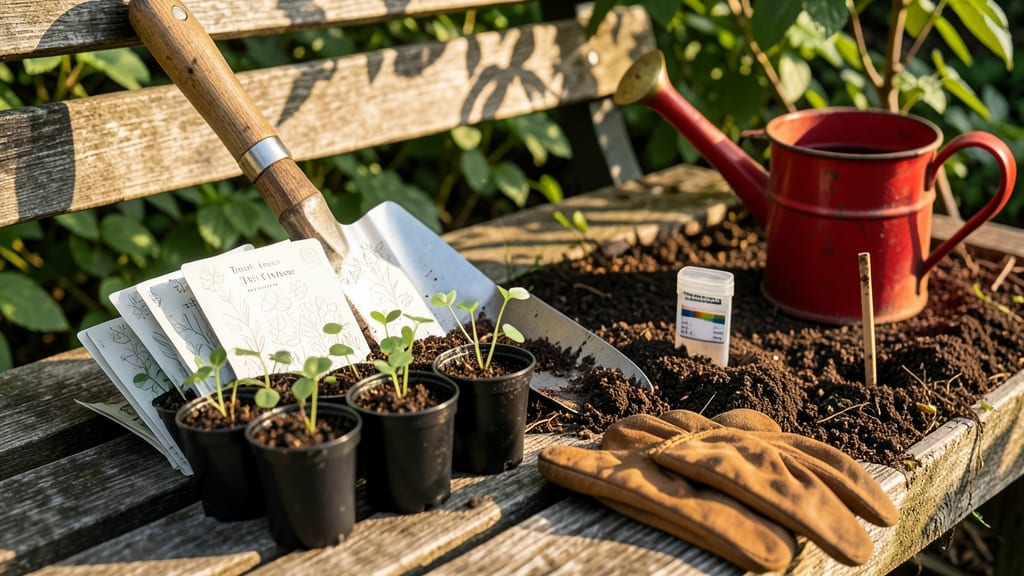
Timing your clover planting in Kentucky could mean the difference between a lush, thriving lawn and a patchy, struggling one. The right window—whether early spring or fall—sets the stage for fast germination and robust growth, while the wrong move can leave you dealing with slow starts or even failed seeds.
Kentucky’s 6a climate zone offers two prime opportunities to plant 🌱 clover: early spring (March-April) or early fall (September-October). Both seasons provide ideal conditions, but each comes with its own advantages.
Spring planting lets you take advantage of warming soil and longer daylight, while fall gives clover a head start before winter dormancy.
If you’ve ever watched clover seeds struggle to sprout or wondered why your lawn patches stay bare, you’re not alone. The key to success lies in understanding your local microclimate, soil prep, and how frost dates play into your planting schedule.
Let’s break down the exact steps to ensure your clover takes root quickly and stays healthy.
From soil temperature checks to avoiding common mistakes, I’ll walk you through everything you need to know to plant clover at the perfect time.
Whether you’re overseeding a tired lawn or using it as a cover crop, these tips will help you achieve the fastest and most reliable results possible in Kentucky’s variable climate.
Best months to plant clover in Kentucky for fast germination
Kentucky’s unique climate—with its humid subtropical zones and variable frost dates—makes timing critical for clover success. Plant too early, and cold soil slows germination. Too late, and summer heat stresses young seedlings. I’ve planted clover in USDA zones 6a-8a for years, and these months deliver the fastest, hardiest results.
The absolute best windows are early spring (March-April) and early fall (September-October). These periods align with Kentucky’s soil temperature needs (ideal: 50-70°F) and rainfall patterns.
Spring planting gives clover 6-8 weeks to establish before summer’s heat, while fall planting avoids competition from weeds and leverages cooler nights for root growth.
For white clover and Dutch white clover, I recommend March 15-April 15 in spring. These varieties germinate quickly in warmer soil and tolerate Kentucky’s humidity well. Red clover, however, thrives when planted September 1-October 15—its longer growing season lets it establish before winter’s chill.
Here’s the month-by-month breakdown for Kentucky gardeners, tailored to your region’s microclimates:
| Month | Best For | Soil Temp | Rainfall | Germination Time |
|---|---|---|---|---|
| March | White clover, Dutch white | 45-55°F | 3-4 inches | 7-14 days |
| April | All clover types | 55-65°F | 4-5 inches | 5-10 days |
| September | Red clover, Alsike | 60-70°F | 3-4 inches | 10-14 days |
| October | All clover types | 50-60°F | 2-3 inches | 14-21 days |
🌱 Pro Tip: Test soil temps with a soil thermometer—wait until it hits 50°F for spring planting.
If you’re overseeding dead patches in your lawn, aim for late August to early September. This gives clover 4-6 weeks to sprout before Kentucky’s first frost (mid-October).
For pasture mixes, I’ve found April planting works best—you’ll see visible growth in 3-4 weeks with Kentucky’s abundant spring rains.
In Western Kentucky (warmer zones), you can push spring planting to mid-April. But in Eastern Kentucky (cooler zones), stick to March to avoid late frosts. Always check your local frost dates—Kentucky’s microclimates can vary by 10+ days even within the same county.
For fastest germination, plant when soil temps are consistently above 50°F and rainfall is predictable. In Kentucky, that’s typically after April 15 in spring and before October 15 in fall. Use a light mulch (straw) to retain moisture—critical during Kentucky’s hot, dry summers.
One mistake I see often? Planting red clover in spring. It bolts quickly in Kentucky’s heat and loses its forage quality. Save red clover for fall planting—it’ll thank you with lush growth before winter.
Ready to plant? Grab your clover seeds, a garden rake, and mark your calendar for March-April or September-October. Your Kentucky lawn or pasture will reward you with vibrant green in no time! 🌿
Best months to plant clover in Kentucky for fast germination
Kentucky’s mild climate and humid summers create perfect conditions for clover, but timing is everything. Plant too early, and frost will kill tender seedlings. Too late, and heat stress slows germination.
The ideal windows are early spring (March-April) or early fall (September-October), when soil temperatures hover between 50°F and 70°F—perfect for clover seeds to sprout within 7-14 days.
For white clover and Dutch white clover, aim for March 15-April 15 in most of Kentucky. These varieties thrive in cooler temperatures and establish quickly before summer heat arrives. Red clover, however, prefers slightly warmer soil—plant it April 1-May 15 for best results.
In southern Kentucky (USDA Zone 7b), you can push spring planting to late April without risking frost damage.
| Planting Window | Clover Type | Soil Temp | Germination Time | Kentucky Region |
|---|---|---|---|---|
| Early Spring (March 15-April 15) | White Clover, Dutch White Clover | 50°F-60°F | 7-14 days | Northern & Central KY (Zones 6a-7a) |
| Late Spring (April 1-May 15) | Red Clover | 60°F-70°F | 10-21 days | Southern KY (Zone 7b) |
| Early Fall (September 15-October 15) | All Types | 60°F-70°F | 10-14 days | Statewide |
Fall planting is my top recommendation for Kentucky gardeners. After the first frost (mid-October), soil stays warm enough for seeds to germinate, but cooler air reduces weed competition. Clover planted in September-October will establish roots before winter, giving it a head start in spring.
Just avoid planting after October 15, as seedlings may not survive freezing temperatures.
If you’re overseeding an existing lawn, late summer (August) is your best bet. This timing lets clover outcompete weeds before winter dormancy. For pasture mixes, spread seeds in early spring to maximize forage production by late spring/early summer, when livestock needs peak.
Always mow or rake existing grass to 1-2 inches tall before planting to ensure good seed-to-soil contact.
Pro tip: Test your soil’s pH (6.0-7.0 ideal) before planting. Kentucky’s clay-heavy soils often need lime or sulfur adjustments. Add compost or aged manure 2-3 weeks before planting to improve drainage and nutrient availability.
Water lightly after sowing to settle seeds, then keep soil moist (not soggy) until germination.
Remember, clover is a living mulch—it fixes nitrogen and reduces erosion. Planting at the right time means healthier soil and less maintenance down the road. For fastest results, combine spring and fall plantings to ensure year-round ground cover.