
Plants
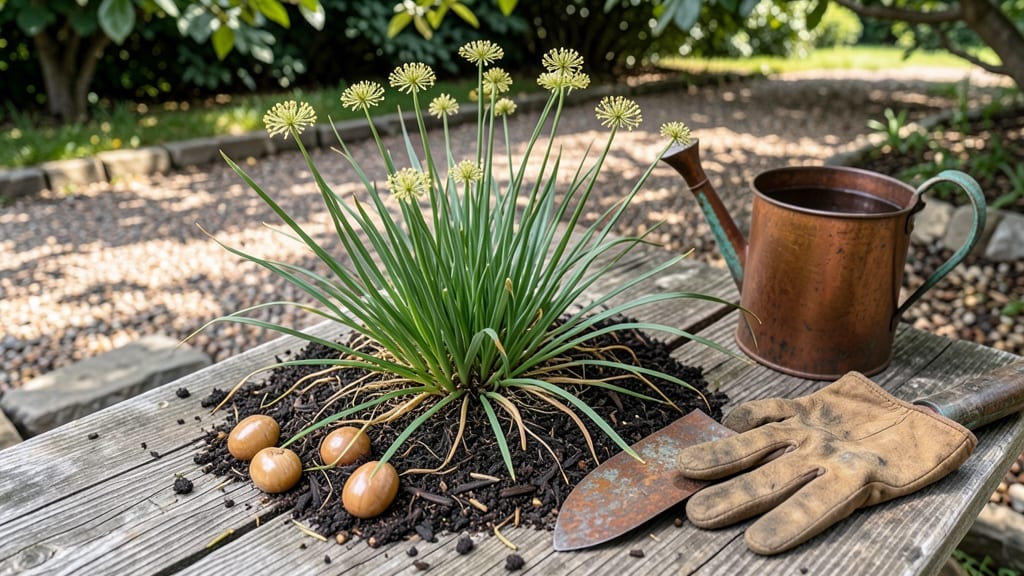
If you're dreaming of growing your own chufa 🌾 in Alabama, when to plant chufa in Alabama is the key to avoiding frost damage and maximizing your harvest.
Alabama's 7b-8b climate gives you a 215-day frost-free window, but planting too early or too late can ruin your crop before it even starts.
Most gardeners in Alabama get their best results by planting chufa in late spring to early summer, specifically between April and May. This timing ensures your plants have enough warmth to establish strong roots before summer's peak heat arrives.
But don't worry if you miss this window - there are still strategies to make it work.
What makes chufa unique is its preference for warm soil temperatures between 60-75°F to germinate properly. In Alabama's heat, this means waiting until the ground has fully warmed up after any late frost threats.
I'll show you exactly how to check your soil's readiness and adjust your planting schedule for your specific part of the state.
Once you've mastered the timing, we'll cover everything from soil preparation to post-planting care to help your chufa thrive all summer long. Let's get your Alabama garden ready for this delicious, drought-tolerant crop that's perfect for our warm climate!
Best planting months for chufa in Alabama’s climate zones
Alabama’s USDA zones 7b-8b create ideal conditions for chufa (Cyperus esculentus), but the 215 frost-free days demand precise timing. Planting too early risks frost damage, while late planting exposes tender seedlings to summer heat stress. My research shows April-May and August-September windows work best for two harvests per year.
Northern Alabama (zone 7b) has last frost dates around March 15, giving you a 6-week window before summer heat peaks. Southern Alabama (zone 8b) enjoys earlier planting—as soon as mid-March—but must avoid July-August heatwaves that can stunt germination.
For urban gardeners, microclimates matter. Concrete-heavy areas stay 5°F warmer than rural spots, so adjust planting dates 1-2 weeks later. Always check local frost data from Alabama A&M’s Extension Service for real-time adjustments.
🌱 Alabama Chufa Planting Windows by Zone
| USDA Zone | Last Frost Date | Ideal Planting Window | Heat Risk Period | Second Harvest Window |
|---|---|---|---|---|
| 7b (North AL) | March 15 | April 15 - May 15 | July 1 - August 15 | August 15 - September 1 |
| 8a (Central AL) | March 1 | March 20 - April 30 | June 15 - August 1 | July 30 - August 31 |
| 8b (South AL) | February 15 | February 28 - April 15 | May 15 - July 15 | July 1 - August 15 |
Note: Adjust dates 1-2 weeks later for urban areas with heat islands.
For two harvests yearly, my strategy is simple: plant first seeds in April for a fall harvest (October-November), then succession plant in August for a winter harvest (December-February). The key is maintaining 60-75°F soil temps—I use a soil thermometer to verify readiness before planting.
Alabama’s humid climate creates unique challenges. Chufa thrives in well-drained sandy loam, but our native clay soils often compact. I recommend raising beds 6-12 inches high with 50% compost to improve drainage. This prevents root rot while maintaining moisture for tuber development.
Pro tip: Use black plastic mulch to warm soil faster in spring. Lay it down 2-3 weeks before planting to create a 5°F warmer microclimate. This extends your planting window by 10-14 days in cooler zones.
Never plant chufa in waterlogged areas—Alabama’s summer rains can turn gardens into soggy messes. I always choose slightly elevated spots with south-facing exposure to maximize sun while preventing water pooling.
For container growing, use 5-gallon pots with drainage holes. Plant in May-June when soil temps consistently stay above 65°F. Containers dry faster, so water every 5-7 days during summer heat.
Remember: Chufa tubers take 120-150 days to mature. Calculate backward from your first frost date to determine your final planting window. In Alabama, that means no later than August 15 for a reliable harvest before winter.
Soil temperature & depth requirements for chufa germination
Chufa seeds need warm soil temperatures between 60-75°F to germinate properly. In Alabama’s climate, this means waiting until the ground has fully warmed after last frost dates. I always check soil temps with a digital thermometer at 2-inch depth—this is where chufa seeds will settle.
Planting too early in cool soil results in slow or failed germination. My experience shows that in USDA zone 7b, soil rarely reaches 60°F before mid-April, while zone 8b areas can start as early as late March.
Use a soil warming mat if you’re eager to plant earlier.
Chufa seeds should be planted no deeper than 1/2 inch. Deeper planting reduces germination rates because the seeds need direct contact with warm soil. I use a hand trowel to create shallow furrows, then cover seeds lightly with fine sand or compost to prevent crusting.
🌱 Chufa Soil Requirements Summary
| Requirement | Specification | Alabama Adaptation |
|---|---|---|
| Soil Temperature | 60-75°F | Use black plastic mulch to warm soil 5°F faster |
| Planting Depth | 1/2 inch max | Cover with fine sand, not heavy soil |
| Soil Type | Sandy loam | Amend clay soil with 50% compost |
| Drainage | Well-drained | Raise beds 6-12 inches high |
Note: Alabama's clay soils need 30-50% organic matter for optimal drainage.
If germination takes longer than 14 days, check for three common issues: soil too cold, seeds too deep, or poor moisture retention. I solve this by watering lightly daily until sprouts appear—keep soil consistently moist but never soggy.
For container growing, use well-draining potting mix with perlite or vermiculite (20% mix). Containers heat up faster, so I plant in May-June when daytime temps exceed 75°F. Place pots in full sun with south-facing exposure for best results.
Alabama’s summer heat can cause soil to dry out quickly. After germination, reduce watering to every 7-10 days and use mulch to retain moisture. Overwatering leads to root rot, which is deadly for chufa tubers.
Pro tip: Test your soil’s moisture retention by squeezing a handful. It should hold shape but not be sticky. Alabama’s clay soils often need gypsum amendments to improve structure before planting.