
Plants
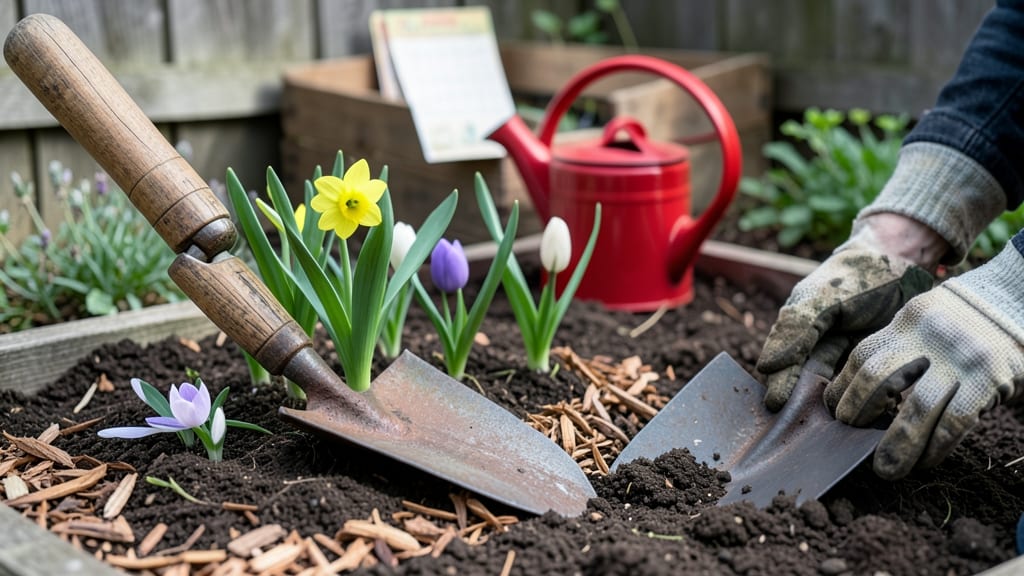
Planting Spring Flowering Bulbs 🌷 in Portland, Oregon isn’t just about timing—it’s about unlocking a burst of color that defies the city’s famously wet winters. If you’ve ever watched your neighbors’ tulips and daffodils pop up while yours stay stubbornly underground, you’re not alone. The secret lies in understanding Portland’s unique climate quirks, from its 8a USDA zone to those sneaky microclimates that can turn a "good" planting window into a bust.
Here’s the truth: September through November is your golden ticket, but getting it just right means accounting for Portland’s average first frost on March 15 and last frost by November 15. Plant too early, and your bulbs might sprout before winter sets in—only to freeze back.
Too late, and they won’t get the chill hours they need to bloom. The key? Matching your bulbs to Portland’s chill-hour zones and soil conditions so you’re not left with a yard full of dirt come spring.
What you’re about to discover isn’t just a planting schedule—it’s a zero-frost bloom strategy tailored to Portland’s mild winters. We’ll break down which bulbs thrive in your specific neighborhood (coastal vs. inland), how deep to bury them, and when to mulch for extra protection.
No more guessing games—just vibrant, reliable blooms that turn your yard into the envy of the block.
Ready to transform your fall planting into a spring spectacle? Let’s dive into the exact steps, tools, and tricks that’ll have your Spring Flowering Bulbs 🌷 popping up right on schedule—no frost, no fuss.
Portland’s chill-hour zones: matching bulbs to winter freeze patterns
Portland’s USDA Zone 8a-9a climate creates a unique challenge for bulb gardeners—our mild winters and variable frost patterns demand precise timing. Unlike colder regions, bulbs here need chill hours (not frost) to trigger blooming.
Most spring-flowering bulbs require 300-1,600 chill hours below 45°F, but Portland’s Willamette Valley often falls short of the 1,000+ hours needed for classic tulips.
East Portland’s slightly cooler microclimate (like Hillsdale) may accumulate 500-800 chill hours, while coastal areas near Sauvie Island might get only 300-500 hours. This means tulips often flop here unless you choose low-chill varieties or use artificial chilling techniques.
Let’s break down how to match bulbs to your specific chill-hour zone.
🌱 Portland Chill-Hour Zones & Best Bulb Matches
| Zone | Avg. Chill Hours | Best Bulbs | Planting Window | Pro Tip |
|---|---|---|---|---|
| Coastal (Sauvie Island, West Portland) | 300-500 hrs | Daffodils, Snowdrops, Crocuses, Grape Hyacinths | Oct 15 - Nov 15 | Plant low-chill varieties like 'Tête-à-Tête' daffodils. |
| City Center (Downtown, Pearl District) | 500-700 hrs | Tulips (Darwin Hybrids), Alliums, Fritillaria | Sep 20 - Oct 30 | Use black plastic mulch to boost soil temps in fall. |
| East Portland (Hillsdale, Lents) | 700-900 hrs | Classic Tulips, Hyacinths, Muscari | Sep 1 - Oct 15 | Plant early to maximize chill accumulation. |
| Willamette Valley (Beaverton, Tigard) | 900-1,100 hrs | All Tulip Types, Daffodils, Hyacinths | Aug 20 - Sep 30 | Test soil temps with a thermometer—aim for 50°F consistency. |
💡 Pro Tip: Use the NOAA Portland Climate Tracker to monitor chill hours in real-time.
To calculate your local chill hours, check the National Weather Service for your neighborhood’s hourly temps below 45°F from November to February. Most Portlanders hit 500-800 hours, so focus on bulbs like daffodils and alliums, which thrive with 300-600 chill hours.
For tulips, opt for Darwin Hybrid varieties or pre-chill bulbs in your fridge for 6-8 weeks before planting.
Soil temperature matters just as much as air temperature. Use a soil thermometer to ensure bulbs are planted when soil is 50-60°F—warmer than 40°F can prevent root establishment.
In East Portland, where soil cools faster, aim for early September planting, while coastal areas can wait until mid-October to avoid soggy conditions.
Portland’s first frost typically hits around November 15, but don’t let that dictate your schedule. Bulbs need 6-8 weeks to root before winter, so plant tulips by October 15 and daffodils by November 1 for reliable blooms. If you miss this window, spring-planted bulbs (like caladiums
Best bulbs for Portland’s zero-frost bloom strategy (fall vs. spring planting)
Portland’s mild winters and USDA Zone 8a climate create the perfect stage for bulbs that thrive without harsh freezes. The key to a zero-frost bloom strategy is selecting varieties that match your neighborhood’s microclimate—whether you’re in the Willamette Valley’s coastal cool or East Portland’s slightly warmer inland zones.
Early bloomers like crocuses and snowdrops can push through light frosts, while daffodils and alliums wait for spring’s warmth to shine.
For fall planting, focus on bulbs that need 6-8 weeks of chill hours (32°F–45°F) before blooming. This means planting September through early November—just before the ground freezes. Spring-planted bulbs like rain lilies (Zephyranthes) are exceptions, but they’re rare in Portland’s climate.
Instead, prioritize hardy perennials that naturalize over time, like fritillaries or grape hyacinths, which multiply and return year after year.
- Crocus – Blooms January-February, tolerates light frost
- Snowdrops – December-March, thrives in shade
- Daffodils (Tête-à-Tête) – March-April, dwarf variety for containers
- Tulips (Darwin Hybrids) – April-May, needs 12+ hours of daylight
- Alliums (Globemaster) – May-June, drought-tolerant once established
- Hyacinths – April-May, fragrant but needs well-draining soil
- Rain Lilies – Summer blooms, thrives in moist, well-drained spots
- Crinum Lilies – Late summer, heat-loving for south-facing beds
Portland’s coastal areas (e.g., West Hills) stay cooler longer, so aim for earlier planting (late August to early October) for bulbs like fritillaries or bluebells. Inland zones (e.g., Gresham, Troutdale) can wait until mid-October because the soil stays workable longer.
Test your soil’s drainage—bulbs rot in soggy conditions, so amend heavy clay with compost or sand before planting.
Don’t overlook naturalizing bulbs like muscari or scilla, which spread underground and create carpets of color. These thrive in partial shade under deciduous trees, where they get winter chill but escape summer heat.
For containers, choose dwarf varieties (e.g., Tête-à-Tête daffodils)—they bloom reliably in 6-inch pots with a well-draining mix of potting soil and perlite.
Timing isn’t just about the calendar—it’s about soil temperature. Use a soil thermometer to confirm the ground is 60°F or below before planting. In Portland, this usually happens by mid-October, but coastal areas may need to wait until November.
The goal? Give bulbs enough time to root before winter sets in, but not so early that they sprout and get fried by a late-season heatwave (yes, they happen!).
Start with 5-10 bulbs of each variety to test what thrives in your yard. Once you find your zero-frost winners, expand your garden—just remember: deeper planting = more stability in Portland’s wet winters.
Aim for 6-8 inches deep (twice the bulb’s height) to protect them from erosion and frost heave. With the right bulbs and timing, your Portland garden will burst into color without a single frost-related setback—just pure, reliable blooms.