
Plants
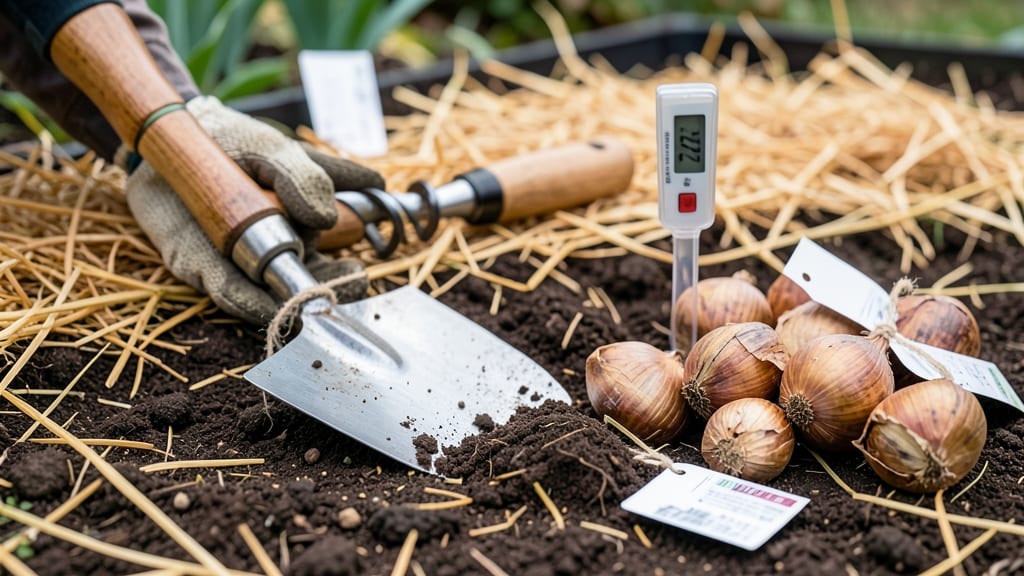
Timing your Spring-Blooming Bulbs (Tulip, Daffodil, Hyacinth, etc.) planting in Maine’s Zone 5b-6a climate isn’t just about the calendar—it’s about outsmarting frost dates that shift like the tides. One wrong move, and your 🌷 dreams of a vibrant spring garden could melt away faster than snow in April.
Most gardeners assume fall planting means "as soon as possible," but in Maine’s chilly 5b-6a zones, rushing can backfire. The sweet spot? September through November, when soil temps dip but the ground stays workable—think 60°F or below and at least 4-6 weeks before the first hard frost (usually mid-October).
Here’s the game-changer: soil temperature checks and local frost-date tracking. Coastal Maine and inland areas play by different rules, and this guide will help you nail the exact window for your microclimate—no guesswork, just blooms you can count on.
Let’s break down the step-by-step strategy so you can plant with confidence, whether you’re a first-timer or a seasoned gardener fine-tuning your routine. Ready to make next spring your most colorful yet?
Maine’s frost dates and ideal bulb planting windows by month
Maine’s Zone 5 climate demands precision when planting bulbs, as frost dates can shift by weeks between years. Southern Maine (like Portland) averages first frost by October 15, while northern regions (e.g., Bangor) may see frost as early as September 25.
This variability means your planting window hinges on soil temperature, not just calendar dates.
Most spring-flowering bulbs—tulips, daffodils, hyacinths—must be planted 6-8 weeks before ground freezes. In Maine, this typically translates to mid-September through November, but early frosts can push that window to late August in northern areas.
Fall-planted bulbs like alliums and crocuses thrive when soil temps drop below 60°F.
Use this summary table to pinpoint your planting window based on Maine’s microclimates, then adjust for local conditions like urban heat islands or protected garden spots.
For spring-planted bulbs like caladiums or cannas, wait until after the last frost (typically mid-May in southern Maine, late May in the north). These bulbs need warm soil to sprout, so don’t rush—soil thermometers are your best friend here.
If you miss the fall window, some bulbs (like tulips) can be planted in early spring, but they may bloom 2–4 weeks later than fall-planted varieties. Daffodils and alliums, however, are far more forgiving and can handle spring planting with minimal delay.
Maine’s late-season adjustments are critical. If frost threatens before your bulbs are planted, use mulch (straw or leaves) to insulate soil and protect emerging shoots. For high-risk areas, consider container planting—you can move pots to a sheltered spot if frost is forecasted.
Remember: Bulb depth matters. Plant spring-flowering bulbs 6–8 inches deep (twice their height) to protect them from freeze-thaw cycles. Shallower planting (like 4–6 inches) works for smaller bulbs (e.g., snowdrops) but risks heaving in harsh winters.
Track your local frost dates using the National Weather Service or Maine Climate Office—their 10-year averages can help you fine-tune your planting schedule year after year. A little prep now means vibrant blooms next spring, not disappointment.
How to adjust planting times for Maine’s unpredictable weather patterns
Maine’s Zone 5b-6a climate throws curveballs with early frosts or unseasonably warm spells, making timing tricky. The key is flexibility—don’t plant too early when soil is still warm, or too late when frost sneaks in.
I’ve learned to use a soil thermometer to check for temps below 60°F, signaling it’s safe to plant.
For coastal Maine, where winters are milder, you might squeeze in a late-November planting, but inland areas should wrap up by mid-October. Watch the 10-day forecast and adjust: if frost is predicted within 4 weeks, plant ASAP.
This “wait-and-see” method saves bulbs from rotting in soggy soil.
🌱 Pro Tip: Use mulch (straw or leaves) after planting to insulate bulbs from temperature swings. In my garden, this extra layer delayed frost damage by 2-3 weeks last winter.
Here’s where microclimates matter: Urban gardens (like Portland) often stay 5°F warmer than rural areas, so plant 2 weeks later than your county’s average frost date. Conversely, high-elevation spots (e.g., Mount Washington foothills) need earlier planting—aim for September there.
🌡️ Critical Rule: Never plant when soil is above 60°F—bulbs will rot. I once lost a batch of tulips in Portland because I planted in late August when temps hit 70°F. Now, I test soil temps twice weekly in September.
⚠️ Warning: Late Planting Risks
- Frost-burned bulbs: Planting too late leaves bulbs vulnerable to freeze-thaw cycles.
- Soggy soil rot: November rains can drown bulbs if planted too deep or in heavy clay.
- Poor root growth: Bulbs need 4-6 weeks of cool soil to establish roots before winter.
Use this