
Plants
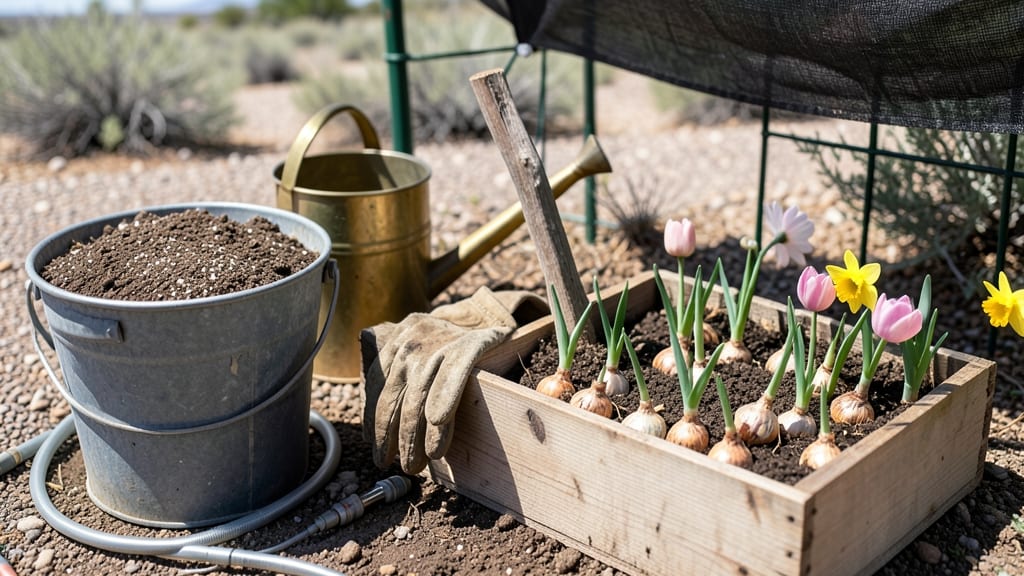
Mastering when to plant bulbs in Arizona isn’t just about digging a hole—it’s about outsmarting the desert’s extremes. With 9b winters that rarely freeze and summers that can scorch, planting too early or too late means your 🌷 tulips or daffodils might never bloom.
The secret? Planting between October and December when soil cools but frost hasn’t arrived.
Most gardeners assume Arizona’s heat means bulbs can go in anytime, but that’s a recipe for disappointment. The key is understanding how microclimates—like Phoenix’s low desert or Flagstaff’s high elevation—change the rules.
Plant too soon, and your bulbs might sprout before winter’s chill triggers dormancy. Wait too long, and you risk missing the 6-8 week window before the ground freezes.
What if you could guarantee vibrant blooms from March to May with minimal fuss? That’s exactly what happens when you follow Arizona’s unique schedule. We’ll break down the exact months to plant, which bulbs thrive here, and how to prep your soil for desert success.
No more guessing—just stunning, low-maintenance flowers.
Ready to transform your yard into a springtime paradise? Let’s dive into the zero-frost planting plan that works for Arizona’s climate, so you can enjoy those cheerful blooms without the worry. Your garden’s next masterpiece starts with the right timing.
Best planting months for Arizona bulbs: avoiding frost and heat stress
Arizona’s USDA zones 7b-10a create a unique challenge for bulb planting—avoiding both frost and extreme heat is key. Unlike northern climates, fall planting dominates here, but timing varies dramatically between Phoenix, Tucson, and high-desert areas like Flagstaff.
The goal? Plant bulbs 6-8 weeks before the first frost while ensuring they establish roots before summer’s relentless heat.
Most Arizona gardeners focus on fall-planted bulbs like tulips and daffodils, which need cool soil temperatures (60-65°F) to sprout. However, spring-planted bulbs (e.g., amaryllis, agave) thrive when soil warms to 70°F+.
Understanding your local frost dates is critical—Flagstaff’s first frost can hit as early as October 15, while Phoenix rarely sees frost until December 20.
Here’s the golden rule: In low-desert zones (Phoenix/Tucson), aim for September-October planting. In high-desert zones (Flagstaff/Sedona), shift to August-September to beat early frosts. Spring planting (February-March) works for heat-loving bulbs but requires extra watering to prevent stress.
| Bulb Type | Best Planting Months | Soil Temp Requirement | Key Consideration |
|---|---|---|---|
| Spring-Flowering (Tulips, Daffodils) | October–December | 60–65°F | Plant 6–8 weeks before frost; deeper in sandy soil. |
| Summer-Flowering (Dahlias, Lilies) | February–March | 70°F+ | Use mulch to retain moisture; avoid midday sun. |
| Drought-Tolerant (Agave, Amaryllis) | September–October (or spring) | 65–75°F | Well-draining soil critical; minimal watering after establishment. |
| Fall-Planted (Crocuses, Hyacinths) | October–November | 55–60°F | Ideal for cool-season blooms; protect from late frosts. |
For Phoenix and Tucson, where winters are mild, October-November is prime time for most bulbs. However, high-desert areas (e.g., Prescott, Payson) should plant earlier (August-September) to avoid October frosts. Pro tip: Use a soil thermometer to confirm temps—60°F+ signals it’s safe to plant.
If you miss the fall window, spring planting (February-March) works for heat-loving bulbs like amaryllis or dahlias. These bulbs store energy underground and sprout when soil warms. Just water deeply after planting to encourage root growth before summer’s dry spell.
Arizona’s microclimates demand flexibility. For example, Sedona’s red rocks can be 10°F cooler than nearby Flagstaff, delaying frost by 2–3 weeks. Always check local frost maps (like the National Weather Service) and adjust your timeline accordingly.
One critical exception: Agave and yucca (technically bulbs) thrive when planted in spring (March-April), as they prefer heat and drought conditions. These desert natives establish roots quickly in well-draining soil and require minimal watering once mature.
Remember: Overwatering is a common mistake in Arizona’s sandy soils. Bulbs need moisture at planting but drainage to prevent rot. Use organic mulch (like straw) to retain moisture while protecting roots from extreme temperature swings.
By aligning your planting schedule with Arizona’s frost-free windows and soil temperature cues, you’ll maximize bloom success—even in the desert. Next, we’ll dive into the top 5 bulbs that thrive here with minimal fuss. 🌱
Best planting months for Arizona bulbs: avoiding frost and heat stress
Arizona’s USDA zones 7b-10a create a unique challenge for bulb planting. Unlike colder climates, most of Arizona rarely sees frost, but high-elevation areas like Flagstaff (zone 7b) still require careful timing.
The ideal window for planting spring-flowering bulbs like tulips and daffodils is between October and December, when soil temperatures drop below 70°F but before any potential frost.
For low-desert areas like Phoenix and Tucson (zones 9b-10a), you can push planting slightly later—even into early January—since frost is rare. However, bulbs need 6-8 weeks of cool soil to establish roots before spring’s heat arrives.
Planting too late risks bulbs sprouting too early, only to wilt in Arizona’s 100°F+ summers.
Here’s the critical timeline for Arizona bulb planting:
| Region | Best Planting Months | Soil Temp Goal | Key Consideration |
|---|---|---|---|
| Phoenix/Tucson (Zones 9b-10a) | October–January | Below 70°F | Minimal frost risk; prioritize evening planting to avoid heat stress. |
| Flagstaff (Zone 7b) | September–November | Below 60°F | Frost possible by December; plant 6-8 weeks before first frost. |
| Sedona (Zone 8a) | October–December | Below 65°F | Cooler nights than Phoenix; extend planting into early December. |
Pro tip: Use a soil thermometer to confirm temperatures. Bulbs like tulips need soil below 60°F to thrive, while drought-tolerant agave can handle warmer soil. For high-desert areas, aim to finish planting by November 1st to avoid winter dormancy issues.
If you miss the fall window, don’t despair—January planting still works for low-desert zones, but mulch heavily with 3-4 inches of straw to protect bulbs from daytime heat spikes. The goal is always the same: root establishment before spring’s arrival.
Remember, Arizona’s sandy soils drain quickly, so plant bulbs twice as deep as their height (e.g., 6-8 inches for standard tulips). This ensures roots access moisture during the critical first 60 days of growth.