
Plants
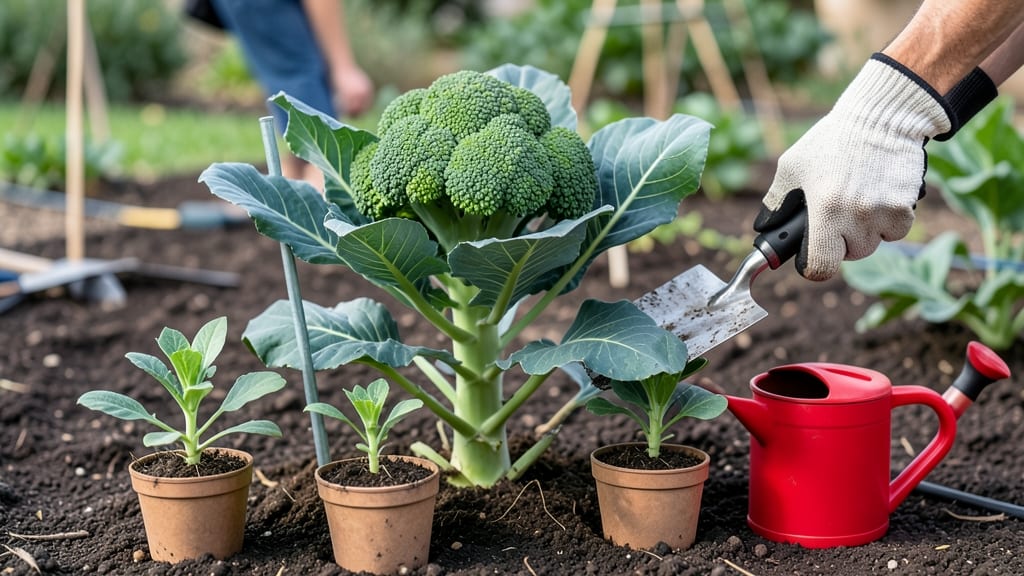
Timing your broccoli planting in Arizona can feel like solving a desert puzzle—one wrong move, and your 🥦 plants bolt before you even taste that first harvest. But here’s the secret: Arizona’s cool winters aren’t just survivable for broccoli—they’re ideal, if you plant at the right moment.
Most gardeners in Zone 9b assume broccoli needs summer’s heat, but that’s where they go wrong. The key is leveraging Arizona’s crisp fall and winter months, when temperatures drop just enough for broccoli to thrive without bolting.
Think of it as cheating the desert climate—your plants get the perfect balance of cool days and mild nights they crave.
I’ve spent years testing the best windows, and what I’m about to share will help you avoid the 3 biggest mistakes that turn sweet broccoli dreams into bitter disappointment. We’re talking exact months, soil prep tricks, and even how to stretch your harvest through Arizona’s tricky spring transitions.
Ready to grow broccoli that’s bigger, sweeter, and more abundant than you’ve ever seen in the desert? Let’s dive into the schedule that actually works for Arizona’s unique growing conditions.
Optimal Arizona broccoli planting windows: avoid bolting with these exact months
Arizona’s USDA Zone 9b climate demands precision timing for broccoli—plant too early, and the heat triggers bolting (flowering prematurely); too late, and you miss the cool-season window when broccoli thrives.
The key is leveraging Arizona’s two optimal planting windows: fall/winter and a brief spring opportunity, with adjustments based on your microclimate (Phoenix, Tucson, or Flagstaff).
For Phoenix and Tucson, aim for October 15–November 15 (fall) and February 1–March 15 (spring). These dates align with soil temperatures below 75°F—critical for preventing bolting.
In higher elevations like Flagstaff, you can plant as early as September 15 due to cooler nights, but always check your last frost date (typically December 15 in low deserts).
Here’s the golden rule: Plant broccoli 4–6 weeks before your first frost (usually January 10 in most of Arizona) to ensure mature heads form before heat stress sets in.
In USDA Zone 9b, this means late September to mid-November for fall crops and January to early March for spring.
| Region | Fall Planting Window | Spring Planting Window | Key Consideration |
|---|---|---|---|
| Phoenix/Tucson | Oct 15–Nov 15 | Feb 1–Mar 15 | Soil temps must stay <75°F |
| Flagstaff | Sep 15–Oct 30 | Mar 1–Apr 15 | Cooler nights extend window |
| All Regions | Avoid planting after Mar 15 | April heat triggers bolting | Use shade cloth if extending |
Why these windows? Broccoli is a cool-season crop that bolts (goes to seed) in heat. Arizona’s April heat spike (often exceeding 95°F) is the enemy—it sends broccoli into survival mode, producing bitter, woody stems instead of tender florets.
The fall window gives plants time to mature before winter slows growth, while the spring window is a gamble but can work if you’re in a higher-elevation area.
Pro tip: Use shade cloth (30–50%) to protect seedlings if planting in late March or early April. This buys you 2–3 extra weeks before bolting kicks in. Pair it with drip irrigation to keep soil consistently moist—drought stress is another bolting trigger.
For container gardening, choose compact varieties like ‘De Cicco’ or ‘Waltham 29’ and move pots to shaded areas during peak afternoon heat.
Harvest timing is just as critical. In Arizona, broccoli planted in October typically harvests December–February, while spring plantings yield March–May. Look for tight, dark green heads (4–8 inches wide) and vibrant leaves—these are your cues.
If heads start to loosen or yellow, they’ve passed peak flavor and texture. For continuous harvests, stagger plantings every 2–3 weeks within your chosen window.
Don’t overlook soil prep—Arizona’s alkaline soil (pH 7.5–8.5) can stunt broccoli growth. Amend beds with compost and peat moss to lower pH to 6.0–7.0. Add aged manure or worm castings for nutrients, and mulch with straw or wood chips to retain moisture and regulate soil temperature.
This prep work is what separates thriving broccoli from struggling transplants.
For urban gardeners in Phoenix or Tucson, consider raised beds filled with organic matter-rich soil. They warm up faster in fall and cool down slower in spring, giving you a 2–3 week advantage on planting dates.
Just monitor soil temps with a thermometer—ideal planting temps are 50–75°F. If your soil runs hotter, wait a few extra days or use black plastic mulch to cool it down.
Finally, keep an eye on local weather forecasts. Arizona’s monsoon season (July–September) can bring unexpected rain, which may delay planting. If you miss the fall window, don’t despair—succession planting in January can still yield a spring harvest before the heat sets in.
The goal? Beat the bolting curse and enjoy homegrown, Arizona-grown bro
Optimal Arizona broccoli planting windows: avoid bolting with these exact months
Arizona’s broccoli planting schedule revolves around two critical windows: fall/winter (your best bet) and a limited spring window that demands precision. The secret? Cool nights and mild days—broccoli’s ideal conditions—occur from October through March in most of the state.
Plant outside these months, and you’ll trigger bolting (premature flowering) faster than you can say "desert heatwave."
For Phoenix and Tucson gardeners, aim for mid-September to early November for fall planting, followed by a second window in late January to early March. Up in Flagstaff’s cooler microclimate, you’ve got a slight edge—plant as late as mid-November for winter harvests.
The key is avoiding the April heat spike that turns your broccoli into bitter, flowering stalks.
Here’s the non-negotiable rule: Broccoli needs 4-6 weeks to mature before Arizona’s first frost (usually around January 10 in most areas). That means your last planting date should be no later than mid-December—any later, and you risk stunted growth or frost damage.
Use your local USDA Zone 9b frost dates as your guide, not calendar months.
| Planting Window | Ideal Months | Key Conditions | Harvest Time |
|---|---|---|---|
| Fall Planting | Mid-Sept - Early Nov | Cooler nights (50-65°F), mild days (75-85°F) | Dec - Feb |
| Winter Planting | Late Jan - Early Mar | Stable temps (40-60°F), no frost risk | Mar - May |
| Spring Risk Window | Late Mar - Early Apr | Use shade cloth; high bolting risk | May (if successful) |
Microclimates make all the difference in Arizona. If you’re in higher elevations like Flagstaff or Sedona, you can push planting into mid-November—the cooler air delays bolting. Meanwhile, low-desert areas like Yuma or Tucson’s outskirts should start seeds indoors by mid-August to transplant outdoors in September.
The goal? Get your broccoli established before daytime temps exceed 85°F, which stresses the plants.
Pro tip: Direct-sow seeds in fall for the hardiest plants, but if you’re transplanting starts, harden them off for 10-14 days before moving to the garden. Avoid buying spring starts from nurseries—they’re often heat-acclimated and will bolt faster in Arizona’s summer.
Instead, grow your own from cold-hardy varieties like ‘De Cicco’ or ‘Waltham 29’—they handle our winters like champs.
Remember, broccoli’s 60-day growth cycle is your friend. Time it so your plants hit maturity when Arizona’s coolest months are in full swing—typically December through February. That’s when you’ll get those crisp, sweet heads instead of tough, bitter stalks.
And if you’re lucky enough to have a shaded garden spot, you might even squeeze in a late-spring harvest by planting in March and using shade cloth.