
Plants
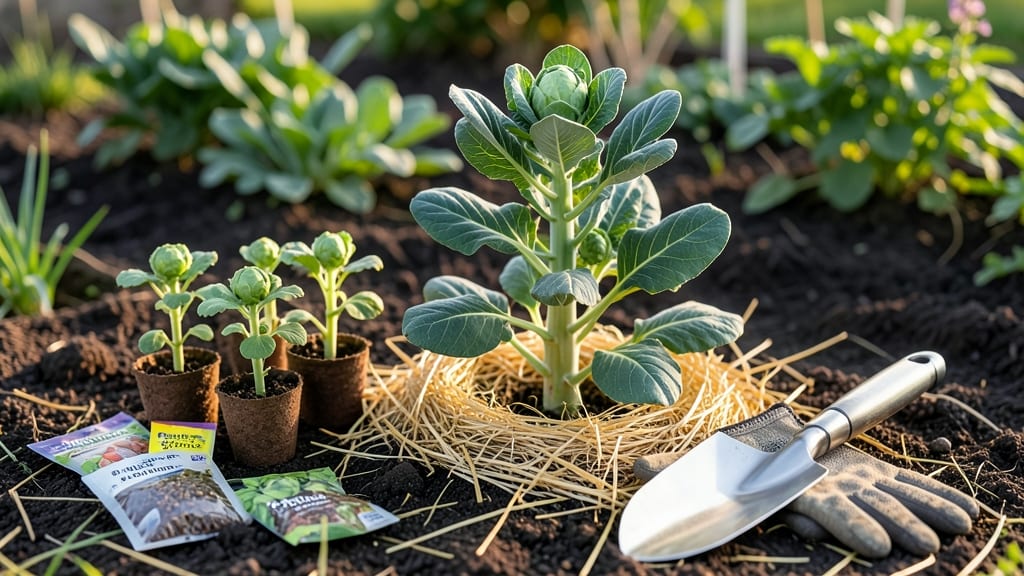
Knowing when to plant brassicas in Wisconsin can mean the difference between a bountiful harvest of 🥦 broccoli, cabbage, and kale or watching them bolt in the heat or freeze before they mature.
Wisconsin’s USDA zones 4b-6a bring unique challenges, but with the right timing, you can stretch your growing season from early spring to late summer.
The key is planting brassicas 4-6 weeks before your last frost date—typically by early April in most of the state. But don’t stop there: late summer plantings (July-August) give you a second chance for a fall harvest before the first frost hits in October.
Whether you’re starting seeds indoors or transplanting young plants, getting this timing right is the most important step to success.
I’ve tested these strategies in my own Wisconsin garden, and the results speak for themselves: faster growth, fewer pests, and plants that thrive instead of struggle.
Let me walk you through the exact frost-free planting windows, soil prep tips, and variety choices that work best in your zone—so you can enjoy homegrown brassicas from May through September.
Ready to transform your garden? You’ll discover how to adjust for late frosts, pick the hardiest varieties, and even extend your harvest with simple techniques. Let’s get those brassicas in the ground the right way—no guesswork, just great results.
Wisconsin brassicas planting timeline by variety: cold-hardy vs. heat-sensitive crops
Wisconsin’s USDA zones 3-5 mean brassicas face unique challenges—late spring frosts and early fall freezes. The key to success? Planting at the right time for each variety’s cold tolerance and heat sensitivity.
Some brassicas, like kale and cabbage, handle frost better than broccoli or Brussels sprouts, which need warmer soil to thrive.
For spring planting, aim to sow seeds or transplant 4-6 weeks before your area’s last frost date (typically mid-April in most of Wisconsin). For fall crops, start seeds 8-10 weeks before the first frost (usually mid-October) to ensure a harvest before winter sets in.
Here’s how to align your planting with Wisconsin’s frost-free windows for each variety:
| Variety | Cold Tolerance | Spring Planting Window | Fall Planting Window | Days to Maturity |
|---|---|---|---|---|
| Kale ('Winterbor') | Very Cold-Hardy | Late March–Early April | Late July–Early August | 45–60 days |
| Cabbage ('January King') | Cold-Hardy | Early April–Mid-May | Early August–Mid-September | 70–90 days |
| Broccoli ('Quick Start') | Moderate Cold Tolerance | Mid-April–Early May | Mid-July–Early August | 50–65 days |
| Brussels Sprouts ('Long Island Improved') | Sensitive to Frost | Late April–Early May | Late July–Early August | 90–120 days |
| Collard Greens ('Georgia Southern') | Very Cold-Hardy | Early April–Mid-May | Early August–Mid-September | 50–70 days |
For zone 3 gardeners (northern Wisconsin), delay spring planting until after May 1 to avoid late frosts. In zone 5 (southern Wisconsin), you can push spring planting to early April for faster-growing varieties like bok choy or turnips, which mature in just 30-40 days.
Fall planting is trickier—Brussels sprouts and cabbage need cool nights to sweeten, but they’ll bolt if temperatures dip too low. Start them 8 weeks before your first frost and use row covers to extend the season by 2-3 weeks.
Pro tip: Use a soil thermometer to confirm 45°F+ soil temps before planting heat-sensitive brassicas like broccoli. Cold soil slows germination and stunts growth, leaving your plants vulnerable to cabbage worms and aphids.
If you’re in zone 4b (like Madison), aim for two planting windows: late April for spring and early August for fall. In zone 5 (Milwaukee), you can stretch spring planting to early April for early varieties.
For slow-to-mature crops like Brussels sprouts, consider starting seeds indoors in March and transplanting after last frost. This gives them a 2-month head start before Wisconsin’s short growing season ends.
Remember: Succession planting is your best friend. Sow baby kale or bok choy every
How to adjust brassicas planting dates for Wisconsin’s unpredictable frost patterns
Wisconsin’s late spring frosts can devastate young brassicas, while early fall freezes cut harvests short. The key to success? Flexible planting strategies that account for soil temperatures, microclimates, and frost forecasts.
Unlike warmer climates, Wisconsin gardeners must plan for both early spring and late summer planting windows to maximize yields.
Start by checking your last frost date—typically mid-April in most of Wisconsin—but be prepared for delays. In USDA Zone 3 (northern WI), frosts can linger until May 15, while Zone 5 (southern WI) may see frost-free conditions by April 15.
Use local Cooperative Extension frost maps or apps like Old Farmer’s Almanac for real-time updates.
Row covers and cold frames are your best friends during unpredictable springs. These tools can extend your planting window by 2-4 weeks, protecting seedlings from 28°F temperatures. For example, if your last frost is April 20, you can safely plant cold-hardy kale as early as March 20 with row covers. Remove covers when plants are 4-6 inches tall to prevent overheating.
Never plant heat-sensitive brassicas like broccoli or cauliflower until soil temperatures reach 45°F. Test soil with a thermometer—cold soil slows germination and invites damping-off disease. If temps drop below 50°F, delay planting until conditions stabilize.
For fall brassicas, aim to plant 6-8 weeks before your first frost (typically September 15 in northern WI). Varieties like ‘January King’ cabbage or ‘Winterbor’ kale thrive in cool weather and can handle light frosts.
Use black plastic mulch to warm soil in early fall, giving plants a head start before temperatures drop.
Adjust your schedule based on microclimates. South-facing slopes warm faster than low-lying areas, while urban heat islands in cities like Milwaukee may allow earlier planting.
Observe your garden’s patterns for 3 years to refine your timing—note when frost hits, how long seedlings take to establish, and which varieties perform best in your specific conditions.
Finally, keep a planting journal to track success. Note which brassica varieties thrive in your zone, when you planted, and any pest or frost challenges you faced. Over time, you’ll develop a customized planting calendar that beats Wisconsin’s unpredictable weather.
With these adjustments, you’ll enjoy bountiful harvests from spring through fall—no frost damage in sight! 🌱