
Plants
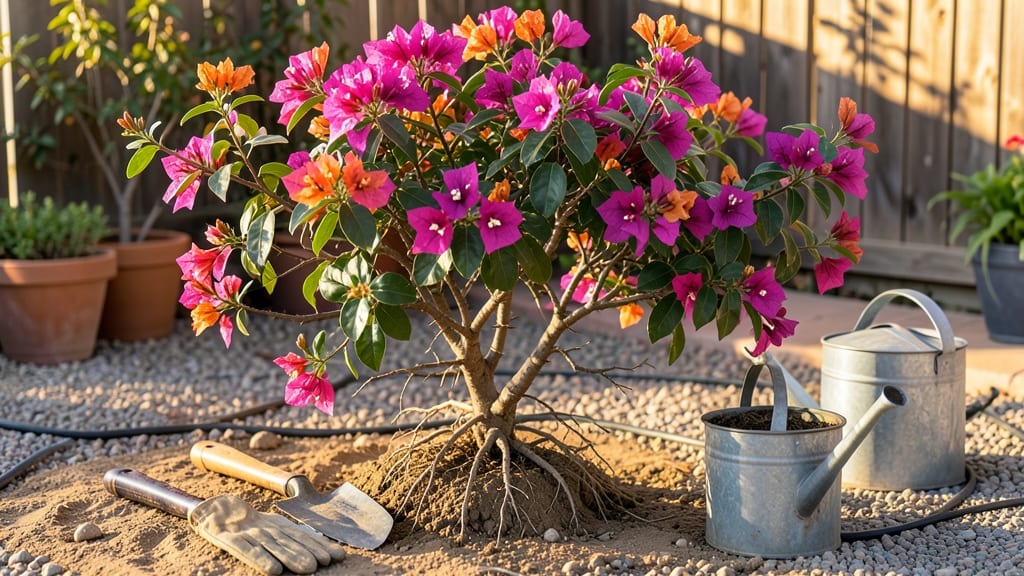
Planting your bougainvillea 🌸 at the wrong time in Arizona could mean wilting before it even takes root—but get the timing right, and you’ll unlock year-round blooms that turn heads.
The key isn’t just avoiding frost (which barely exists here) but playing smart with the desert’s heat cycles and monsoon patterns.
Most Arizona gardeners assume spring is the best time, but that’s a common mistake. The ideal window stretches from November through March, when cooler temps give young roots a fighting chance before summer’s brutal sun peaks.
Even in Phoenix’s 9b zone, planting too late can stress your bougainvillea before it’s ready to handle the desert’s intensity.
Here’s what you’ll discover: how to align your planting schedule with Arizona’s monsoon season for stronger root growth, which microclimates (like Flagstaff vs. Tucson) demand different approaches, and the 3 signs your bougainvillea was planted at the wrong time—and how to fix it fast.
Whether you’re a first-time gardener or a desert veteran, these insights will help you plant with confidence and keep your bougainvillea thriving through Arizona’s extreme seasons. Let’s get started.
Best planting months for bougainvillea in Arizona’s climate zones
Arizona’s diverse microclimates mean planting times vary from Phoenix’s scorching low desert to Flagstaff’s cooler high desert. Bougainvillea thrives year-round in most of Arizona, but timing your planting ensures strong root growth before summer’s 110°F+ heat.
The sweet spot? Late fall through early spring, when temperatures stay mild and monsoon rains recharge the soil.
In Phoenix and Tucson (USDA Zone 10a), plant between November and March to avoid summer’s extreme heat. These areas have no frost risk, so you can plant almost anytime—but cooler months give roots time to establish.
For Flagstaff and Prescott (Zone 7b), aim for April to June after the last frost (usually by mid-April), since colder winters can stress young plants.
Bougainvillea’s heat-loving nature means it hates transplant shock during peak summer months. Planting too early (like September) risks monsoon downpours overwhelming roots, while planting in May exposes tender roots to 100°F+ soil temperatures. The key is aligning with Arizona’s natural moisture cycles—either post-monsoon (October) or pre-summer (March).
🌱 Bougainvillea Planting Timeline by Arizona Region
| Region | Best Planting Window | Key Considerations | Avoid Planting |
|---|---|---|---|
| Phoenix/Tucson (Low Desert) | November–March | Cool nights, minimal rain; soil temps <75°F | April–October (extreme heat) |
| Flagstaff/Prescott (High Desert) | April–June | After last frost; cooler soil temps | November–March (frost risk) |
| Sedona/Jerome (Transition Zone) | March–April or September–October | Balanced heat/moisture; avoid summer dry spells | June–August (water stress) |
✅ Pro Tip: Test soil temps with a thermometer—ideal planting temps are 60–75°F.
For container-grown bougainvillea, you have more flexibility—plant anytime in Phoenix/Tucson as long as you provide adequate shade during the first 2–3 weeks. Containers heat up faster, so use fabric pots or add hydrogel crystals to retain moisture.
In Flagstaff’s cooler climate, delay container planting until after Memorial Day to avoid late-spring frosts.
Another critical factor is monsoon timing. Planting in late September lets you take advantage of July–August rains for root establishment. However, avoid planting during peak monsoon downpours (July), as saturated soil can suffocate roots. Instead, plant in September and rely on residual moisture from earlier storms.
If you’re in Zone 9b (e.g., Yuma), you can plant bougainvillea year-round, but winter months (December–February) offer the best balance of mild temps and lower humidity. Just ensure your soil is well-draining—bougainvillea hates soggy roots, which can lead to root rot even in desert climates.
For dwarf varieties (like ‘San Diego Red’), timing is less critical, but they still benefit from cooler planting conditions. These compact shrubs (6–10 ft tall) thrive in containers or small gardens, making them ideal for Flagstaff patios or Phoenix courtyards.
Plant them in November or April to align with their slower growth rate.
One common mistake is assuming “anytime is fine” in Arizona’s frost-free zones. While bougainvillea is tough, heat stress in the first 30 days after planting can stunt growth.
Always acclimate plants for 1–2 weeks in partial shade before full sun exposure, especially if you’re planting during spring or fall transitions.
To maximize blooms, time your planting so new growth emerges in late winter. This ensures flowers appear by March–April, just in time for Arizona’s spring color rush. Use slow-release fertilizer at planting to give roots a nutrient boost without overwhelming them during establishment.
Finally, consider microclimates within your yard. A north-facing wall stays cooler than a south-facing one, so you might plant 2–4 weeks earlier in shaded spots. Use a soil thermometer to confirm temps are ideal—60–75°F is perfect for root growth.
With the right timing, your bougainvillea will reward you with year-round color and minimal stress.
How to time bougainvillea planting for Arizona’s monsoon season
Arizona’s monsoon season (July–September) might seem like the last place you’d plant anything, but it’s actually a golden opportunity for bougainvillea roots. The heavy rains soak the soil, giving young plants the moisture they need to establish before summer’s peak heat.
However, timing is everything—plant too early, and you risk root rot from excess moisture; too late, and the plants struggle to adapt before the desert dries out.
My strategy? Plant 4–6 weeks after the monsoon season ends—typically in late September or early October—when the soil stays damp but temperatures start cooling. This window balances moisture and heat, giving your bougainvillea the best shot at thriving.
For container plants, you can extend this slightly into November since pots dry out faster.
Step-by-Step Monsoon Planting Guide
- Soil Prep: Amend native soil with 50% compost or cactus mix to improve drainage. Bougainvillea hates soggy roots!
- Planting Time: Choose early morning or late afternoon to avoid midday heat stress on roots.
- Watering: Water deeply once immediately after planting, then skip watering for 5–7 days to encourage root growth.
- Mulching: Apply 2–3 inches of mulch (gravel or bark) to retain moisture and regulate soil temp.
- Fertilizing: Wait 6–8 weeks before feeding with a balanced 7-7-7 fertilizer to avoid burning new roots.
If you’re planting in containers, opt for terracotta pots with drainage holes to prevent waterlogging. These dry out faster, so monitor soil moisture closely—stick your finger in the soil; if it’s dry 1 inch down, it’s time to water.
Pro tip: Elevate containers slightly to improve drainage in Arizona’s heavy clay soils.
For in-ground planting, choose a location with 6+ hours of sun and well-draining soil. Avoid low spots where water pools, as bougainvillea roots rot quickly in saturated conditions. If your yard has heavy clay, mix in perlite or pumice to create air pockets for roots.
After planting, protect young bougainvillea from late-summer heat spikes (100°F+ days) by providing temporary shade with a lightweight cloth during the hottest hours. Once established (after 6–8 weeks), they’ll handle Arizona’s sun like a pro.
The key is patience—your bougainvillea will reward you with bold blooms by spring if you nail this timing.
🌿 Remember: The monsoon’s moisture is your secret weapon—use it to set your bougainvillea up for a low-maintenance, high-reward growing season. With the right prep, your plant will be heat-hardened and blooming by next summer.