
Plants
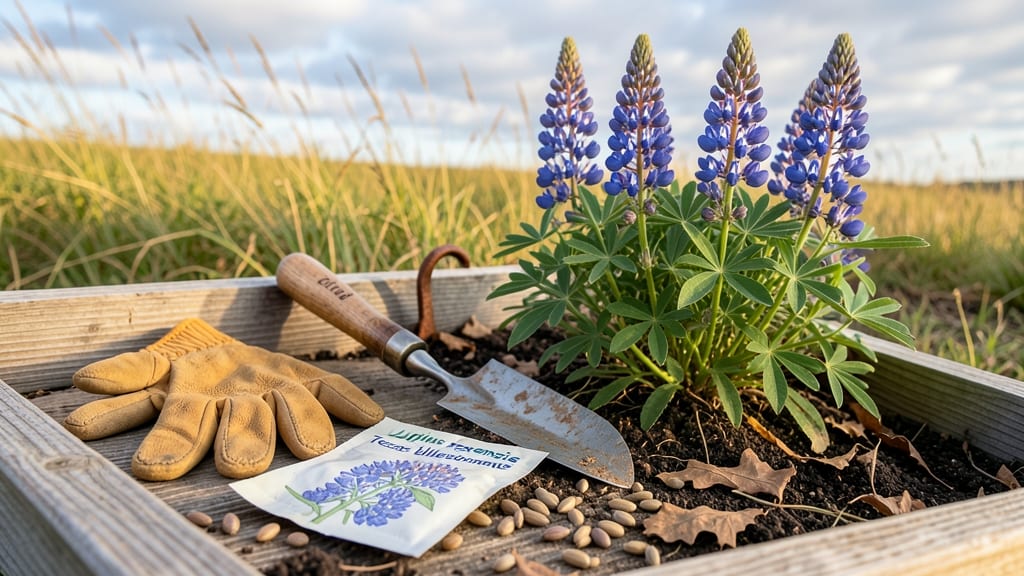
If you’ve ever dreamed of waking up to fields of vibrant bluebonnet 🌸 blanketing South Texas in spring, knowing when to plant bluebonnet seeds in South Texas is the secret to turning that dream into reality. Timing is everything—and getting it wrong could mean missing those stunning blooms entirely.
Planting too early risks frost damage, while waiting too late might leave your seeds struggling against summer heat. The perfect window for sowing these iconic wildflowers is narrow but critical, and I’ll show you exactly how to nail it.
South Texas’s 9a–10a climate gives you a unique advantage: cooler fall temperatures create ideal conditions for bluebonnet seeds to germinate without the stress of summer’s intensity. But here’s the catch—skipping soil prep or ignoring rainfall patterns can turn your best efforts into disappointment.
Whether you’re a first-time gardener or a seasoned pro, these region-specific tips will help you maximize your chances of a lush, blue carpet by spring.
Let’s break down the step-by-step process for planting bluebonnet seeds in South Texas, from choosing the right varieties to adjusting for your local microclimate.
You’ll learn how to time your planting for optimal germination, prepare soil that drains like a dream, and avoid common pitfalls that even experienced gardeners fall for. Ready to turn your yard into a bluebonnet paradise?
The key to success isn’t just knowing when to plant—it’s understanding why those fall dates work best for South Texas. I’ll walk you through the science behind it, so you can confidently scatter your seeds and watch them thrive. Let’s get started!
Optimal bluebonnet planting timeline for South Texas climates
Timing is everything when planting bluebonnet seeds in South Texas. The fall window (September–November) is your golden opportunity to ensure vibrant spring blooms—but get it wrong, and you’ll end up with sparse or no flowers at all.
Here’s how to nail the timing for your specific USDA zones 9a–10a.
Bluebonnets are cool-season annuals that need 60–70 days of cool weather to germinate and establish roots before winter. In South Texas, this means planting after summer’s brutal heat (typically by mid-August) but before the first frost (usually mid-December).
The ideal window is September–October, when daytime temps hover between 70–85°F and nights drop below 60°F.
Why fall? Bluebonnet seeds need moisture and cool soil to sprout. Planting in late summer or early fall lets seeds germinate before winter dormancy. If you plant too early (like July or August), the intense South Texas heat will bake the soil, preventing germination. Too late (like December), and frost will kill emerging seedlings.
Here’s your South Texas planting timeline broken down by month, including temperature triggers and rainfall cues:
| Month | Temperature Range | Rainfall Trigger | Planting Action |
|---|---|---|---|
| August | 85–100°F (day) / 70–80°F (night) | After summer rains (late August) | Scatter seeds in prepped soil; no need to cover. |
| September | 80–90°F (day) / 65–75°F (night) | First 1–2 inches of rain post-planting | Best time! Seeds germinate in 10–14 days. |
| October | 70–80°F (day) / 55–65°F (night) | Consistent moisture (drought stress = poor germination) | Final planting window; seeds need 4–6 weeks to root before frost. |
| November | 60–70°F (day) / 45–55°F (night) | Avoid planting if frost is forecasted | Risky; only plant if no frost for 4+ weeks. |
| December | 50–60°F (day) / 35–45°F (night) | Frost likely | ❌ Do not plant; seeds won’t survive. |
Pro tip: Check your local frost dates—South Texas varies! For example, Brownsville (Zone 9a) can handle late November plantings, while Austin (Zone 8b) needs to finish by October 15. Use the National Weather Service or Texas A&M AgriLife for zone-specific alerts.
If you miss fall, you can plant in early spring (February–March), but results are hit-or-miss. Spring-planted bluebonnets often bolt to flower too quickly or struggle with South Texas heat stress. For the best spring blooms, stick to fall planting—it’s worth the patience!
Once planted, give seeds 2–3 weeks to germinate. Thin seedlings to 6–12 inches apart for optimal growth. With the right timing, you’ll be rewarded with vibrant bluebonnet carpets by March or April—worth every minute of planning!
🌱
Optimal bluebonnet planting timeline for South Texas climates
South Texas’s 9a–10a climate creates the perfect conditions for bluebonnet seeds when planted at the right time—typically between mid-September and early November. This window aligns with the natural cooling temperatures after summer’s heat, giving seeds the best chance to germinate before winter sets in.
The key is planting when soil temps drop below 85°F but before the first frost, which usually hits around mid-December in most areas.
In South Texas Zone 9a, aim for late September to early October—this gives seeds time to establish roots before winter rains. For Zone 10a, you’ve got a slightly longer window, with early October to November being ideal.
The goal is to avoid planting when summer’s heat still lingers, as this can cause seeds to dry out or rot before they sprout.
| Month | Soil Temp | Rainfall Trigger | Microclimate Tip |
|---|---|---|---|
| September | 75–85°F | Light rains (0.5–1") | Best for coastal areas |
| October | 65–75°F | Moderate rains (1–2") | Ideal for inland regions |
| November | 55–65°F | Heavy rains (2+") | Risk of washout; plant early |
If you’re in a coastal South Texas area like Corpus Christi or Port Aransas, you can push planting slightly later into early November thanks to milder winters. However, inland areas like San Antonio or Austin should aim for mid-October to avoid early frost.
Always check your local frost date—planting too close to winter means seeds may not survive the cold.
One common mistake is waiting until December to plant, thinking it’s still safe. But by then, seeds may not have enough time to germinate before winter dormancy sets in.
If you miss the fall window, you can try spring planting in February, but results are often less reliable due to summer heat stress. For best results, stick to fall!
Pro tip: Use a soil thermometer to confirm temps are below 85°F before sowing. This simple tool ensures you’re planting at the perfect time for germination.
Pair it with a light rainfall forecast—bluebonnet seeds need moisture to sprout, so aim for planting just before a 0.5–1 inch rain event.
Timing isn’t just about the calendar—it’s about reading your local microclimate. If your yard is in a low-lying area, frost may arrive earlier, while elevated spots might stay warmer. Adjust your planting date accordingly, and you’ll be rewarded with vibrant bluebonnet blooms come spring. 🌸