
Plants
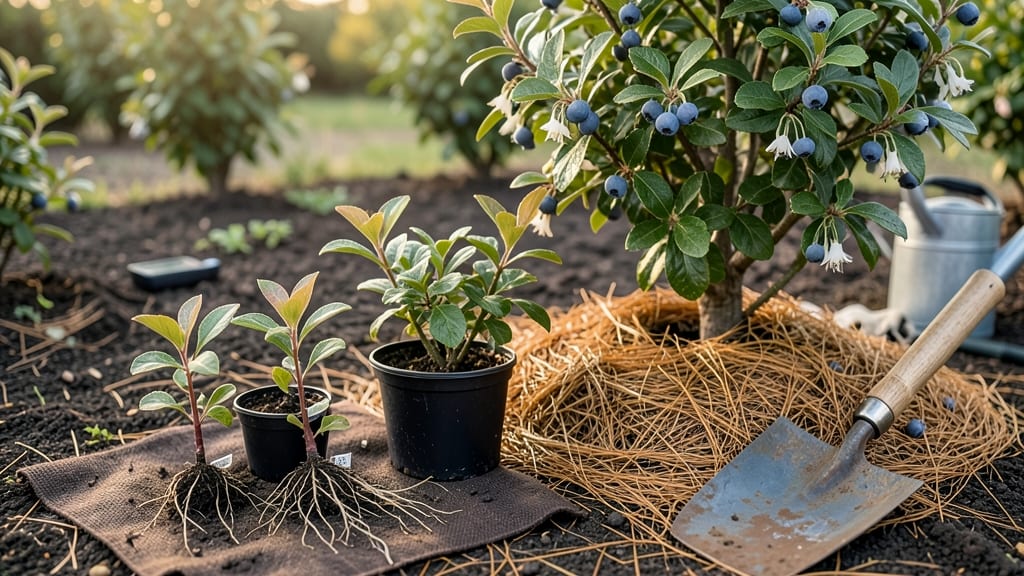
Timing your blueberry planting in Maine isn’t just about the calendar—it’s about matching your bushes to the state’s chill hours and unpredictable frosts. Skip the wrong window, and you’ll either stunt growth or risk losing your plants to early cold snaps.
The key? Planting in late April to early June (after frost) or in fall (August-September) when the soil stays workable but temperatures drop.
Maine’s Zone 5b-6a climate demands precision, especially for varieties like northern-highbush that need 600+ chill hours to fruit. Whether you’re a backyard gardener or a small-scale grower, getting this right means the difference between a bountiful harvest and a bush struggling to survive.
Let’s break down the best times to plant—and how to prep your soil for success.
You’ve got options: spring planting gives your 🫐 blueberries a full season to establish roots before winter, while fall planting lets them settle in before dormancy. But here’s the catch—Maine’s coastal areas warm faster than inland spots, so adjust your schedule accordingly.
We’ll cover soil pH tweaks, mulching strategies, and even how to protect young plants from late frosts.
Ready to grow thriving blueberries that ripen from late June to August? The next steps are simpler than you think—just follow the local rules for acidic soil and chill-hour timing. Let’s get your bushes off to the right start.
Maine’s ideal blueberry planting window by variety and chill hours
Maine’s Zone 5 climate creates a unique challenge for blueberry growers—too early, and frost zaps young plants; too late, and they miss critical chill hours needed for dormancy. Most Maine varieties require 300–1,000 chill hours (below 45°F) to trigger spring blooms and fruit production.
Northern-highbush types (like Bluecrop or Patriot) thrive in Maine’s cooler zones, while southern-highbush varieties (e.g., Southern Highbush) need warmer microclimates.
Timing depends on whether you plant bare-root (spring/fall) or container-grown (spring only). Fall planting (August–early September) gives roots time to establish before winter, while spring planting (late April–early June) avoids late frosts.
Coastal areas (like Portland) may have milder winters, allowing slightly later fall plantings than inland zones (e.g., Bangor).
Here’s how Maine’s chill hours align with planting windows for the most popular varieties:
For northern-highbush varieties, fall planting is ideal—roots establish before winter, and the plant enters dormancy naturally.
If you plant in spring, do so after the last frost (typically mid-May in most of Maine) to avoid frost damage. Southern-highbush types are riskier in spring; wait until late May or June to ensure no late frosts.
Maine’s microclimates play a huge role. Coastal areas like Bar Harbor may have 50–100 fewer chill hours than inland Presque Isle. Use a chill-hour calculator (like the one from the University of Maine Cooperative Extension) to confirm your local chill accumulation.
If your area falls short, opt for low-chill varieties like Top Hat or Sunshine Blue.
Pro tip: If planting in containers, stick to spring planting (May) to avoid winter freeze damage. Use acidic potting mix (pH 4.5–5.5) and move pots to a sheltered spot in winter. Container-grown bushes also warm up faster in spring, reducing frost risk.
One critical mistake Maine growers make is planting too late in fall (after mid-September). New roots won’t harden off before winter, leading to heaving (roots popping out of the ground). Aim to plant at least 6–8 weeks before the first hard frost (usually mid-October in Maine).
For lowbush blueberries (native to Maine), timing is even more critical—they must be planted in fall (September–October) to sync with their natural dormancy cycle. These hardy shrubs thrive in full sun and acidic, sandy soils, common in Maine’s wild blueberry barrens.
🌱
Step-by-step planting timeline for Maine’s Zone 5 growers
Maine’s Zone 5 climate means your blueberry planting timeline must account for last frost dates (mid-May) and early autumn chills. Whether you’re planting in spring or fall, follow this month-by-month roadmap to ensure your bushes thrive.
Start by testing your soil’s pH (4.5–5.5)—Maine’s native soil is often too alkaline, so amend with peat moss or sulfur 4–6 weeks before planting.
For spring planting (late April–early June), aim to get your bare-root blueberries in the ground as soon as the soil is workable. This gives roots time to establish before Maine’s hot summer droughts hit.
If you’re in a coastal area, like Portland, you might plant a week earlier than inland spots like Bangor, where frosts linger longer. Mulch heavily with pine needles or wood chips to retain moisture and acidify the soil over time.
🌱 Visual Guide: Planting Timeline for Maine Blueberries 🌱
If you’re planting in fall (August–early September), choose container-grown bushes to avoid transplant shock. Maine’s shorter growing season means fall-planted bushes need extra care—water deeply before the ground freezes, and protect young plants with burlap wraps if early frosts threaten.
For urban gardeners, container planting is ideal: use acidic potting mix and place pots in full sun with south-facing exposure.
Adjust your timeline for late frosts by monitoring local forecasts. If a hard freeze is predicted after planting, cover bushes with frost cloth or row covers.
In Zone 5b, like southern Maine, you might push spring planting to early June, while Zone 6a areas (northwest Maine) can plant as early as late April. Always check the USDA Plant Hardiness Zone Map for your exact location.
Pro tip: Mark your planting dates on a garden calendar to track progress. For example, if you plant in May, expect first fruits by year 3, but fall-planted bushes may fruit slightly later.
Patience pays off—Maine’s blueberries reward careful timing with sweet, juicy berries from late June to August.
Don’t forget to prune in late winter (February) to remove dead wood and shape your bushes. This encourages new growth and better fruit production the following season. With this timeline, your 🫐 blueberries will be off to a strong start—no matter where you garden in Maine!