
Plants
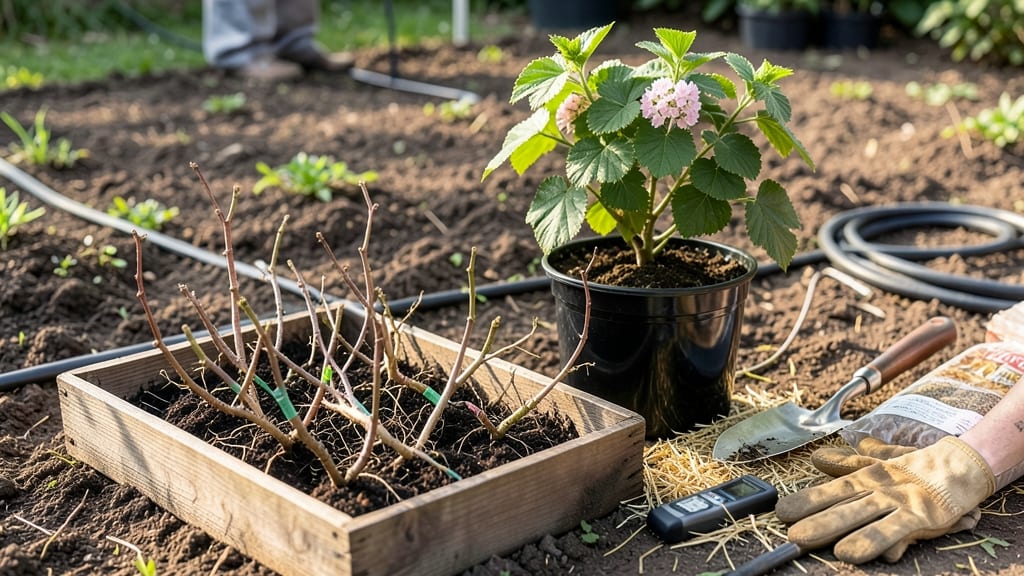
Timing your blackberry planting in NC can mean the difference between thriving bushes and struggling plants—especially in USDA zones 7a-8b where heat and humidity play a big role.
If you plant too early, your 🫐 canes might get stressed by summer’s sweltering temperatures, while planting too late risks weak root growth before winter chill sets in.
North Carolina gardeners know the struggle: will spring’s unpredictable showers or fall’s early frosts throw off your schedule? The answer lies in understanding your region’s microclimate—whether you’re in the Piedmont’s rolling hills or the Coastal Plain’s humid lowlands.
I’ll break down exactly when to plant for maximum root establishment, so you can avoid common mistakes that waste time and effort.
What if I told you there’s a sweet spot for planting that aligns with NC’s climate? Whether you prefer the crisp air of fall or the fresh start of spring, we’ll cover soil prep, frost considerations, and even container planting tips to give your blackberries the best chance to thrive.
Let’s get those canes in the ground at the perfect moment.
Ready to transform your backyard into a blackberry patch? You’ll learn how to time your planting for stronger roots, faster fruit production, and fewer headaches—no guesswork required. Let’s dive into the details that make all the difference in NC’s unique growing conditions.
Optimal planting windows in north Carolina: spring vs fall timing explained
Timing is everything when planting blackberries in North Carolina. The Tar Heel State’s USDA Zones 7a-8b offer two ideal windows: late winter to early spring and fall. Each has unique advantages depending on your microclimate—whether you're in the Coastal Plain, Piedmont, or Mountains.
For spring planting, aim for February through April once soil temperatures reach 50°F (10°C). This gives plants 6-8 weeks to establish roots before summer heat arrives. Fall planting, however, is often preferred in NC due to cooler soil and less competition from weeds.
I recommend September to early October for fall planting, allowing roots to settle before first frost (typically mid-November). In the Mountains, where frosts come earlier, shift planting to August to avoid winter stress.
Blackberries thrive in NC’s climate when planted during these windows because they need well-drained soil and full sun. Planting too early risks frost damage, while planting too late may leave roots vulnerable to winter freeze.
🌱 NC Blackberry Planting Windows Comparison
| Season | Best Months | Soil Temp | Key Advantage | Risk if Late |
|---|---|---|---|---|
| Spring | Feb-Apr | 50°F+ (10°C+) | Early growth before summer | Heat stress |
| Fall | Sep-Oct | 60°F+ (15°C+) | Cooler roots, less weed competition | Winter freeze |
| Mountains | Aug | 55°F+ (13°C+) | Avoids early frost | Short growing season |
| Coastal | Mar-Apr | 55°F+ (13°C+) | Longer frost-free season | Humidity stress |
In the Piedmont region, where most gardeners live, September planting is ideal. The soil stays warm enough for root growth but cools before winter. Use a soil thermometer to confirm temperatures—roots need 60°F (15°C) for optimal establishment.
For container-grown blackberries, timing shifts slightly. Plant in late spring (May) to avoid overwintering pots, which can lead to root rot. Containers dry out faster, so adjust watering but keep the same light and temperature requirements.
NC State Extension recommends bare-root canes for best results. These are easier to plant and establish faster than potted varieties. After planting, mulch heavily with straw or wood chips to retain moisture and regulate soil temperature.
Remember: Blackberries are perennial, so proper planting timing now means years of harvests with minimal effort. Whether you choose spring or fall, prioritize soil prep and root protection to set your plants up for success in NC’s variable climate.
💧
Optimal planting windows in north Carolina: spring vs fall timing explained
North Carolina’s three distinct climate zones—Coastal Plain, Piedmont, and Mountains—each demand slightly different blackberry planting windows. In the Coastal Plain (Zone 8a-8b), you’ve got a longer growing season, while the Mountains (Zone 7a) face earlier frosts.
My rule? Plant when soil temps hit 50°F (10°C) and stay above freezing for 6+ weeks—this gives roots time to establish before summer’s heat or winter’s chill.
For spring planting, aim for late February to early April in most of NC. The Piedmont’s Zone 7b gardeners should wait until mid-March to avoid late frosts damaging tender new growth.
In the Coastal Plain, you can start as early as February since frost risk is lower. But watch out—planting too early in the Mountains means frost damage to young canes.
Fall planting offers a second chance for NC gardeners. The ideal window is September to early October, letting roots establish before winter dormancy.
In the Piedmont and Coastal Plain, you can push it to mid-October, but avoid planting after November 1st—roots won’t have enough time to harden off before frost.
Soil temperature is your best guide. Use a soil thermometer to confirm 50°F (10°C) at 4” depth. In spring, this usually aligns with late March to April; in fall, it’s September to early October. Pro tip: Container-grown blackberries can handle slightly cooler soils, giving you a 2-week earlier planting window.
| Factor | Spring Planting (Feb-Apr) | Fall Planting (Sep-Oct) |
|---|---|---|
| Best For | Fast root growth before summer | Established roots before winter |
| Soil Temp | 50°F+ (late March-April) | 50°F+ (September-October) |
| Frost Risk | High in Mountains, low in Coastal Plain | Low (avoid after Nov 1) |
| Root Establishment | 6-8 weeks before summer heat | 6-8 weeks before dormancy |
| Water Needs | High (spring rains + irrigation) | Moderate (fall rains) |
| Best Varieties | 'Natchez', 'Apache' | 'Chester', 'Ouachita' |
Microclimates matter! A south-facing slope in the Piedmont warms up faster than a north-facing valley, so adjust your timing accordingly. If you’re in Zone 7a (Mountains), stick to late April for spring or early September for fall—any earlier risks frost damage.
Meanwhile, Coastal Plain gardeners can plant 2 weeks earlier in both seasons.
Don’t overlook bare-root vs. potted plants. Bare-root canes need moist soil at planting, while potted plants can handle slightly drier conditions. For container growing, plant in late March (spring) or mid-October (fall)—containers warm up faster and are less frost-tolerant.
With the right timing, your blackberries will thrive in NC’s climate!