
Plants
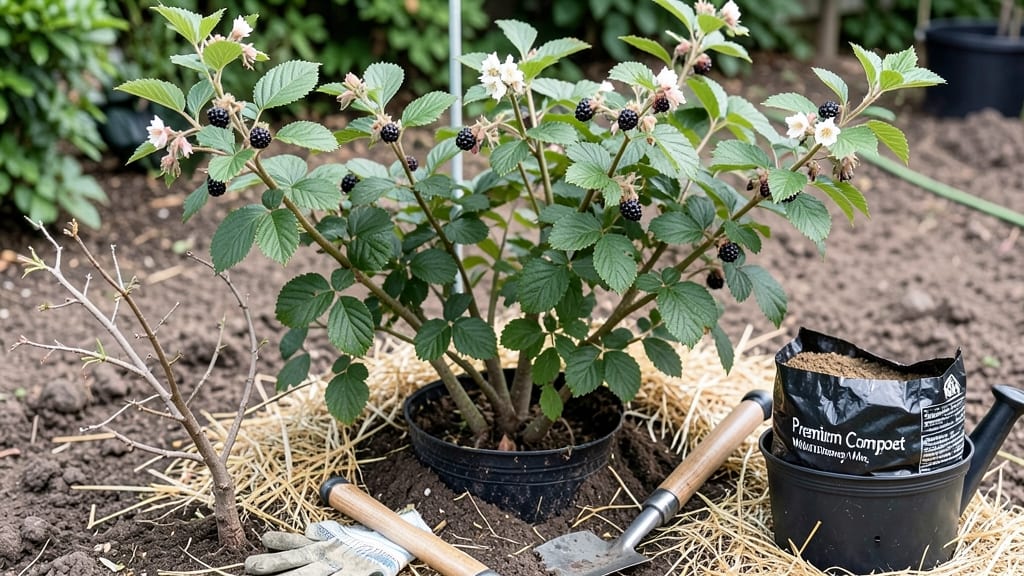
If you're dreaming of juicy 🫐 blackberries butting up against Colorado’s rocky soil, timing your planting could mean the difference between a thriving bramble and a sad, frost-nipped failure.
The perfect window for planting blackberries in Colorado isn’t just about the calendar—it’s about dodging late-spring freezes, avoiding winter dieback, and giving those canes the head start they need to root deep before summer’s heat kicks in.
Most gardeners in USDA Zones 5-7 swear by early spring (March-April) for bare-root plants, when the ground thaws but before the worst of the mountain winds return. But if you’re working with container-grown blackberries, late spring (May) gives them a fighting chance to adjust before Colorado’s unpredictable weather shifts again.
Fall planting? That’s a gamble—unless you’re in a microclimate with mild winters, your canes might not survive the first frost.
Here’s the game-changer: Colorado’s elevation changes everything. Denver’s last frost might hit by mid-April, while the Western Slope could still see snow in May.
We’ll break down the exact deadlines for your region, plus soil prep tricks to make sure your blackberries take root like they’re in a greenhouse—not a high-desert gamble.
Ready to turn your backyard into a blackberry patch? Stick around—I’ll walk you through the step-by-step schedule, from soil amendments to frost protection hacks, so your canes grow strong enough to outlast Colorado’s worst weather. No more guessing, just harvest-ready plants by summer.
Optimal Colorado blackberry planting windows: spring vs. fall deadlines
Colorado’s variable climate makes timing critical for blackberry success—spring planting is ideal, but fall can work if you follow strict deadlines. The Front Range (Denver, Boulder) has last frost dates around April 15, while the Western Slope (Grand Junction) can plant until May 1.
In Eastern Plains (Pueblo), aim for March 15-April 1 to avoid late frosts.
Bare-root blackberries thrive when planted 2-4 weeks before last frost. This gives roots time to establish before new growth begins. For container-grown plants, wait until soil temperatures reach 50°F (10°C)—typically mid-April in most regions.
Fall planting is risky but possible if done 6-8 weeks before first frost (usually October 15 in Denver).
Thornless varieties like 'Natchez' or 'Cheyenne' are more forgiving for late plantings, while traditional types (e.g., 'Triple Crown') need precise timing. Colorado’s USDA Zones 5-7 mean your microclimate matters—mountain valleys freeze earlier than urban heat islands.
Use this regional planting timeline to avoid common mistakes:
- Denver/Boulder: March 15-April 15 (spring) or Sept 15-Oct 1 (fall)
- Colorado Springs: March 1-April 30 (spring) or Sept 1-Oct 15 (fall)
- Grand Junction: April 1-May 1 (spring only)
- Pueblo: March 1-April 15 (spring) or Sept 1-Oct 1 (fall)
| Region | Spring Planting Window | Fall Planting Window | Soil Temp Threshold | Key Risk |
|---|---|---|---|---|
| Front Range (Denver/Boulder) | March 15-April 15 | Sept 15-Oct 1 | 50°F (10°C) | Late spring frost |
| Colorado Springs | March 1-April 30 | Sept 1-Oct 15 | 50°F (10°C) | Drought stress |
| Western Slope (Grand Junction) | April 1-May 1 | Not recommended | 55°F (13°C) | Heat shock |
| Eastern Plains (Pueblo) | March 1-April 15 | Sept 1-Oct 1 | 45°F (7°C) | Early frost |
For container-grown blackberries, extend your window until May 1 in most areas. These plants adapt better to transplant shock and can handle slightly warmer soil. However, avoid planting after June 1—canes planted too late struggle to establish roots before Colorado’s short growing season ends.
Colorado’s arid climate means water stress is a bigger threat than frost for late plantings. Always mulch heavily (4-6 inches) to retain moisture and protect roots from temperature swings. Drip irrigation is ideal for new plantings to ensure consistent deep watering.
Pro tip: Check your local CoCoRaHS station for 10-day forecasts before planting. A 5-day stretch above 60°F (15°C) signals it’s safe to plant bare-root canes. For thornless varieties, this window is slightly wider—up to May 15 in lower elevations.
Fall planting requires extra caution. Canes need 6-8 weeks to root before first frost. Use row covers or low tunnels to extend the season by 2-3 weeks if planting near the deadline. Avoid fall planting in Zone 5 areas (e.g., northern Colorado)—cold snaps can kill
Optimal Colorado blackberry planting windows: spring vs. fall deadlines
Colorado’s variable climate means your blackberry planting window hinges on elevation, microclimates, and whether you’re using bare-root or container-grown plants. In USDA Zones 5-7, most gardeners target early spring (March-April) for best results, but timing shifts dramatically from Denver’s Front Range to the drier Western Slope.
For example, Denver’s last frost typically arrives by mid-April, while Colorado Springs may see frost until May 1, and high-elevation areas like Fort Collins can linger into May 15.
Bare-root blackberries thrive when planted in late winter to early spring (February-April), before new growth begins. This gives roots 6-8 weeks to establish before summer heat arrives. Container-grown plants, however, need a slightly later start—March-April—to avoid transplant shock from Colorado’s unpredictable temperature swings.
Fall planting is risky unless you’re in a mild microclimate like the Lower Arkansas Valley, where first frosts hit after October 15. Most Colorado regions see first frosts by October, leaving little time for canes to root deeply before winter.
🌱 Pro Tip: Check your local CoCoRaHS station or Colorado State University Extension frost maps before planting. These tools predict frost dates with 90% accuracy and help you avoid planting too early in frost-prone valleys or too late in high-desert areas.
| Region | Ideal Planting Window | Last Frost Date | First Frost Date | Key Consideration |
|---|---|---|---|---|
| Front Range (Denver, Boulder) | March 15 - April 15 | April 15 | October 15 | Mountain winds delay warming; use frost cloth for early plantings. |
| Western Slope (Grand Junction, Durango) | April 1 - May 1 | May 1 | October 30 | Drier climate; water deeply after planting to prevent root stress. |
| Eastern Plains (Pueblo, Lamar) | March 1 - April 1 | April 1 | November 1 | Warmer microclimates; fall planting possible if soil temps stay above 50°F. |
Thornless varieties like ‘Natchez’ or ‘Cheyenne’ are popular in Colorado because they’re easier to harvest, but they still need 6-8 hours of sun daily.
If you’re planting in partial shade (e.g., under a trellis on the north side of your yard), opt for thorny varieties like ‘Triple Crown’, which tolerate lower light better. Just remember: shade reduces fruit production by 30-50% compared to full-sun plantings.
🌡️ Soil Temperature Matters: Blackberries won’t thrive if planted in cold soil. Use a soil thermometer to confirm temps are above 50°F before planting. In Colorado’s high desert, this often means waiting until late April for bare-root plants. For container-grown canes, March-April is ideal—they adjust better to temperature shifts.
Fall planting is a high-risk strategy unless you’re in a Zone 6+ microclimate. Even then, plant by late August to allow 6-8 weeks of root growth before winter.
Most Colorado gardeners skip fall planting entirely to avoid winter dieback, especially in Zone 5 areas like Fort Collins or Steamboat Springs.