
Plants
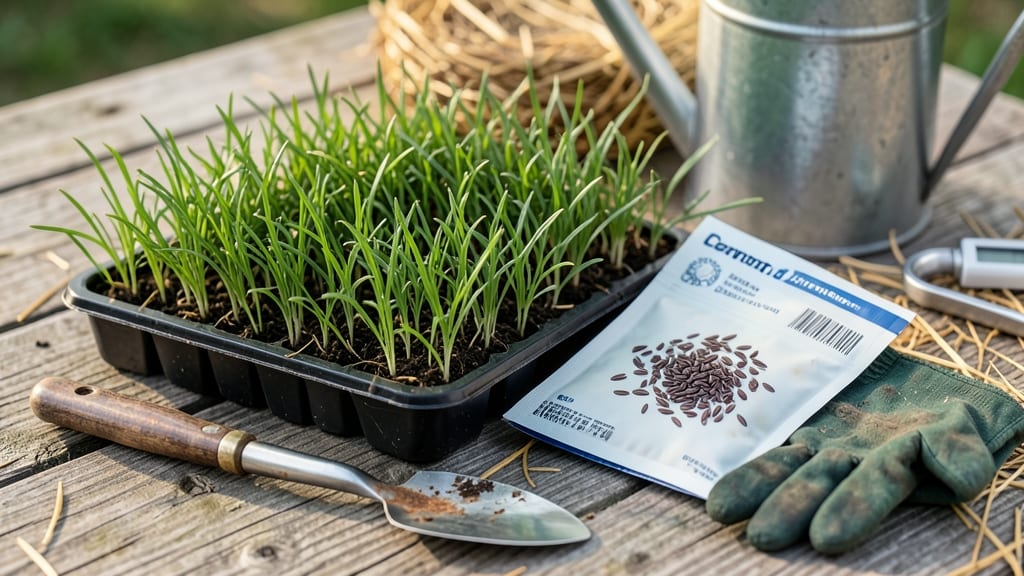
Planting Bermuda seed in Arizona isn't just about dropping seeds into the dirt—it's about outsmarting the desert's brutal heat and timing your move perfectly. The right window between late February and early April can mean the difference between a lush, green lawn and months of struggling with bare patches.
This drought-resistant grass 🌱 thrives under Arizona's sun, but it demands precise timing to establish strong roots before summer's intensity kicks in. I've seen firsthand how planting too early risks frost damage, while waiting too long leaves seeds struggling in the heat.
Let me show you exactly when—and how—to plant for maximum success in your region.
Whether you're in Phoenix's 110°F summers or Flagstaff's cooler microclimates, the key is understanding your local soil temperatures and frost patterns. We'll cover the exact dates, soil prep secrets, and heat-resistant varieties that make all the difference in Arizona's challenging growing conditions.
Ready to transform your yard into a heat-beating Bermuda lawn? Let's dive into the critical steps that'll have your grass thriving when others are wilting—starting with the perfect planting schedule tailored just for Arizona.
Best months to plant Bermuda seed in Arizona (by region)
Arizona’s climate varies dramatically from the Sonoran Desert in Phoenix to the high desert of Flagstaff. For Bermuda grass, timing is critical—plant too early, and frost can kill seedlings; too late, and summer’s heat stresses new growth.
The ideal window is late February to early April, when soil temperatures hit 65°F+ consistently.
Use a soil thermometer to confirm readiness—Bermuda seeds need warmth to germinate. In Phoenix and Tucson, you can start as early as mid-February, while Flagstaff and Prescott gardeners should wait until mid-April to avoid late frosts.
Microclimates matter: low deserts (like Yuma) can plant 1-2 weeks earlier than high deserts.
Here’s the exact breakdown by region, including soil temp thresholds and frost risks:
| Region | Best Planting Window | Soil Temp Threshold | Frost Risk | Notes |
|---|---|---|---|---|
| Phoenix/Tucson | Late February–Early April | 65°F+ (consistent) | Low (after Feb 15) | Start earlier in Yuma (Jan 30). |
| Flagstaff/Prescott | Mid-April–Early May | 60°F+ (minimum) | Moderate (last frost ~April 15) | Use row covers if planting early. |
| Sedona/Jerome | Early April–Mid-May | 62°F+ | Low (elevated areas) | Wait for 3 consecutive warm days. |
| Southern AZ (Sahuarita) | Late January–Early March | 65°F+ | Very low | Can plant earlier with shade cloth. |
For Phoenix-area gardeners, mark your calendar for March 1st—this is the sweet spot for most varieties. If you’re in Tucson’s urban heat island, you can push it to late February, but avoid planting before February 15th unless you’re using heat mats to protect seeds.
Pro tip: Test your soil 2 weeks before planting. Bermuda grass prefers slightly acidic to neutral soil (pH 6.0–7.5). If your soil is alkaline (pH 8.0+), amend it with sulfur or peat moss 4–6 weeks ahead.
Use a soil test kit from your local Cooperative Extension office for precise results.
Once you’ve nailed the planting window, prepare your soil by tilling to a depth of 4–6 inches to loosen compacted layers. Bermuda grass has aggressive roots, so break up any hardpan to ensure deep penetration.
Add compost or aged manure for organic matter, but avoid fresh manure—it can burn seedlings.
After sowing, cover seeds lightly with 1/8 inch of soil (no more!) and water gently but deeply. Keep the soil consistently moist (not soggy) until germination, which typically takes 10–14 days in ideal conditions. Use a sprinkler with fine mist to avoid displacing seeds.
In Arizona’s extreme heat, newly sprouted Bermuda grass can bolt (send up seed stalks) if stressed. To prevent this, mulch with straw after germination to retain moisture and shade seedlings slightly during the hottest part of the day. Remove mulch once grass reaches 2–3 inches tall to encourage thickening.
Remember: Bermuda grass is a warm-season grass, meaning it goes dormant in winter. If you plant in late spring (May), it may struggle to establish before summer’s heat sets in. Stick to the early spring window for the best chance at a lush, drought-resistant lawn by monsoon
Best months to plant Bermuda seed in Arizona (by region)
Arizona’s USDA Zone 9b climate means Bermuda grass thrives here, but timing is critical. Planting too early risks late frost damage, while waiting too long delays your lush lawn. The ideal window is late February through early April, when soil temperatures consistently hit 65°F+—perfect for germination.
Phoenix and Tucson homeowners should aim for mid-March planting, as these areas warm faster. Flagstaff’s cooler microclimate extends the window slightly later, around late March to early April. Always check your local last frost date (typically January 15) and wait 2-3 weeks after.
Use a soil thermometer to confirm readiness—Bermuda seed needs 65°F+ soil temps to sprout reliably. Cold soil slows germination, leaving your lawn vulnerable to weeds. Pro tip: Test temps at 4-inch depth for accuracy.
🌱 Bermuda Planting Windows by Arizona Region
| Region | Best Planting Month | Soil Temp Threshold | Key Consideration |
|---|---|---|---|
| Phoenix/Tucson | Mid-March | 65°F+ (consistent) | Fast warming; drought-prone |
| Yuma | Late February | 60°F+ (earlier possible) | Desert climate; minimal frost risk |
| Flagstaff | Early April | 70°F+ (cooler soils) | Higher elevation delays warming |
| Sedona | Late March | 68°F+ (rocky terrain) | Drainage issues; test moisture |
💡 Pro Tip: For Phoenix/Tucson, late March planting balances heat tolerance and weed competition.
After planting, water deeply 2x daily for the first 2 weeks to keep soil moist but not soggy. Bermuda seed needs consistent moisture to break dormancy, but overwatering causes fungal issues. Once sprouts appear (7-14 days), reduce to 1 inch per week.
Monitor your lawn’s progress with a germination tracker. If soil stays below 65°F for over a week, delay planting until conditions improve. Remember: Bermuda grass grows aggressively once established, but a slow start means weak roots.
For summer planting, some gardeners try late May, but success depends on irrigation consistency. This approach works best in shaded areas or with drip systems to prevent evaporation. Always prioritize spring planting for best results.