
Plants
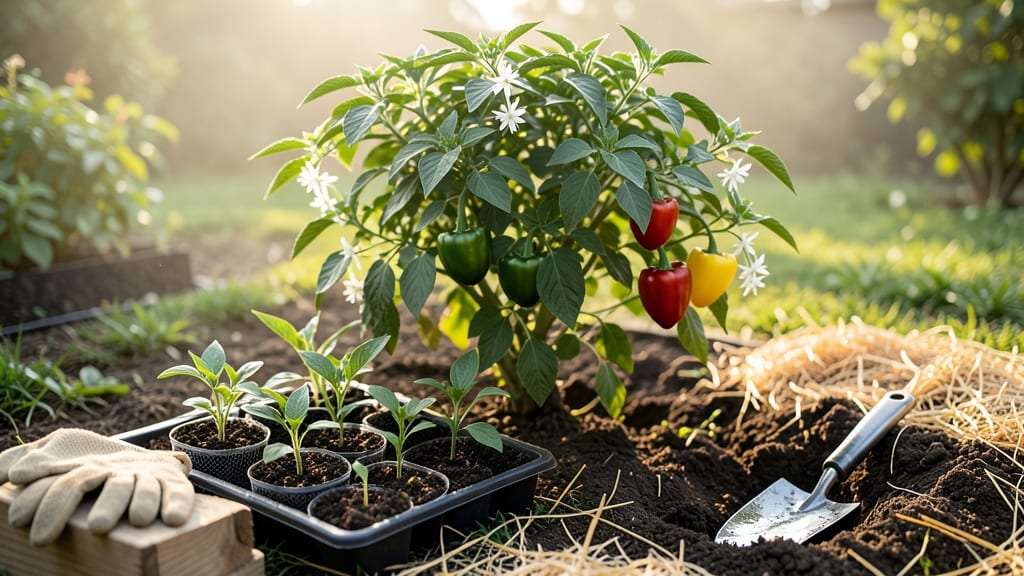
NC frost-free planting dates for bell peppers by Zone (7a-8b)
Bell peppers love North Carolina’s warmth, but planting too early risks frost damage. The key is waiting until after your last average frost date, when soil temperatures hit at least 60°F.
For Zone 7a, this is typically mid-April, while Zone 8b gardeners can start as early as late March. Coastal areas may have slightly earlier windows.
Use these frost-free windows as your guide: April 15–June 15 for most of NC. Inland areas with cooler nights should aim for the later end of this window, while coastal regions can plant 2–3 weeks earlier thanks to milder microclimates.
Always check your local NC State Climate Office for precise dates.
🌱
| Zone | Last Frost Date | Optimal Transplant Window | Soil Temp Threshold | Notes |
|---|---|---|---|---|
| 7a (Mountains) | Mid-April | May 1–15 | 60°F+ | Cooler nights; use row covers if needed. |
| 7b (Piedmont) | Late March–Early April | April 15–May 1 | 60°F+ | Moderate risk of late frosts; monitor forecasts. |
| 8a (Coastal) | Late February–March | March 15–April 15 | 55°F+ | Warmer microclimate; can plant earlier. |
| 8b (Southeast) | Early March | March 1–April 1 | 55°F+ | Longest growing season; ideal for late varieties. |
If you’re starting seeds indoors, begin 8–10 weeks before your last frost date. For Zone 7a, that’s around mid-February, while Zone 8b growers can start as late as early April.
Use grow lights to ensure seedlings get 12–16 hours of light daily—this prevents leggy, weak plants.
For direct sowing outdoors, wait until soil temperatures are consistently above 60°F. Test with a soil thermometer or use the back-of-hand rule: if the soil feels warm to touch, it’s ready.
In Zone 7a, this is usually late May, while Zone 8b can direct sow as early as mid-April.
🌡️
Pro tip: Use black plastic mulch or straw mulch to warm soil faster. This can shave 1–2 weeks off your planting timeline by raising soil temperatures 5–10°F. Just avoid covering seedlings until they’re 2–3 inches tall to prevent rot.
Remember, late plantings (after June 15) risk smaller harvests before the first frost. But if you’re growing short-season varieties, like 'Early Cal Wonder', you can push it to late June for a fall crop. Just be prepared to use row covers if temperatures dip.
☀️
Best bell pepper varieties for NC’s climate and how to choose them
North Carolina’s diverse microclimates—from the coastal humidity of Wilmington to the hotter inland valleys of Raleigh—mean not all bell pepper varieties thrive equally. For zone 7a-8b, I recommend heat-tolerant, disease-resistant varieties that perform well in NC’s long, humid summers and short growing seasons.
Look for varieties with 60-75 day maturity to ensure harvests before first frost (typically mid-November). Carolina Wonder and Jupiter are top picks for NC gardeners—they handle high humidity and heavy fruiting better than standard varieties. Aristotle, a hybrid, also excels in NC’s late-summer heat.
For early harvests, choose 'Early Cal Wonder' (55 days) or 'Golden California Wonder' (70 days). These yellow and green bell peppers mature faster, giving you a jump-start before late-summer pests like aphids and pepper maggots peak.
If you’re in zone 8b, you can even try longer-season varieties like 'Black Beauty' (85 days) for late-season harvests.
| Variety | Days to Maturity | Best For | NC-Specific Notes |
|---|---|---|---|
| Carolina Wonder | 70 days | Humidity tolerance | Classic NC favorite; thrives in coastal and piedmont regions. |
| Jupiter | 65 days | Early harvests | Resistant to pepper blight; great for zone 7a. |
| Aristotle | 75 days | Heat tolerance | Hybrid; handles 90°F+ temperatures without stress. |
| Early Cal Wonder | 55 days | Fastest harvest | Ideal for short-season gardeners in zone 7a. |
| Black Beauty | 85 days | Late-season | Best for zone 8b; harvests extend into October. |
When selecting varieties, prioritize disease resistance—especially if your NC garden battles pepper blight or aphids. Hybrids like Aristotle often outperform heirlooms in humid NC summers. Avoid slow-maturing varieties (like 'Anaheim') unless you’re in zone 8b with a longer frost-free season.
For container gardening in NC, opt for bushier varieties like 'Lunchbox' (compact, 24 inches tall) or 'Sweet Banana' (yellow, 18 inches tall). These space-saving options work well on patios or balconies where full-size plants might struggle. Always check seed packets for "bush" or "compact" labels if space is limited.
Pro tip: If you’re planting in coastal NC (e.g., Wilmington), choose salinity-tolerant varieties like 'Carolina Cayenne'—its thick skin resists salt spray and high humidity. For inland areas (e.g., Raleigh), focus on heat tolerance and drought resistance.