
Plants
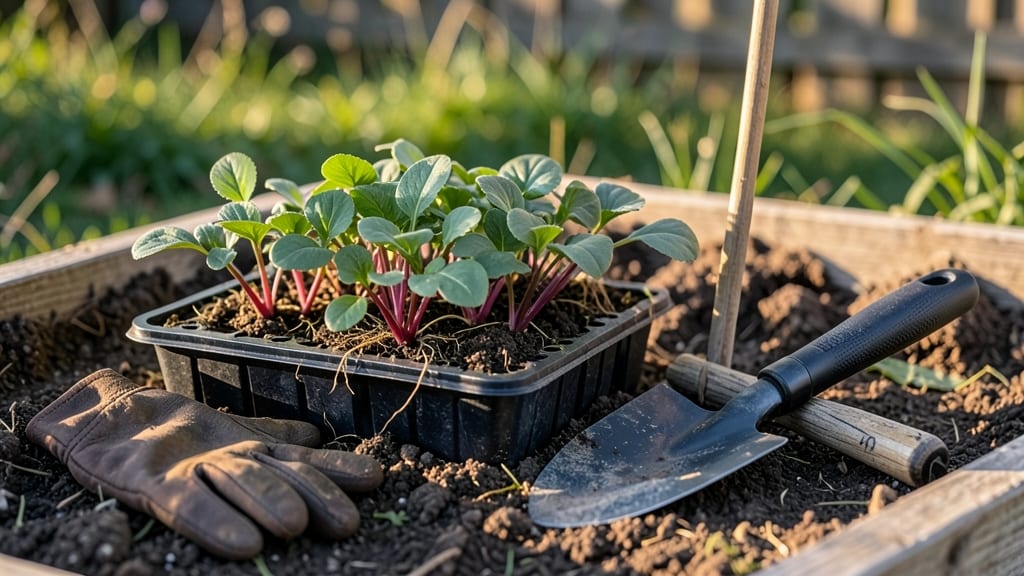
If you’ve ever planted 🍠 beets in Oregon only to watch them bolt or wilt before harvest, timing is your biggest challenge. The perfect frost-free window for beets in Oregon isn’t one-size-fits-all—it shifts dramatically from the coastal fog of Astoria to the high-desert heat of Bend.
Get it right, and you’ll enjoy sweet, tender roots all season; get it wrong, and you’ll be left with bitter, stringy disappointment.
Here’s the secret: Most Oregon gardeners plant their 🍠 beets too late in spring or too early in summer, missing the ideal 4-6 week window before summer heat or fall frost ruins their crop.
Whether you’re in the Willamette Valley’s mild climate or the 7b-9a zones of Eastern Oregon, knowing exactly when to start seeds (or transplant seedlings) makes all the difference.
In this guide, I’ll break down the best planting months for your specific microclimate—plus pro tips to stretch your harvest from early spring through late fall. No more guessing whether to plant in March or August.
By the end, you’ll have a customized beet-planting schedule tailored to your corner of Oregon, ensuring juicy, homegrown roots from June through November.
Ready to stop the trial-and-error? Let’s dive into the frost-free planting calendar that’ll transform your 🍠 beet harvests this year.
Oregon beet planting calendar by microclimate: coastal vs. valley vs. high desert
Oregon’s 🌱 beet growing season hinges on your microclimate. The Willamette Valley enjoys mild springs, while the Coast Range stays cooler longer, and Eastern Oregon faces scorching summers. Even within Portland, urban heat islands can push last frost dates 2 weeks later than rural areas.
To nail your timing, I’ve mapped out the ideal planting windows for Oregon’s 5 key regions—plus how to adjust for your specific zone.
Most gardeners in Oregon make one of two mistakes: planting 🍠 beets too early in cold soil (which stalls germination) or too late (risking bolting from summer heat). The sweet spot is planting when soil temps hit 45°F and staying 60°F or below for the first 4 weeks.
Below, I’ll show you how to calculate your exact dates based on where you live.
🌱Pro Tip: Use your local Cooperative Extension Service frost date data—Oregon State University provides free frost-free calendars by ZIP code.
For most of Oregon, the last frost falls between late March (coastal) and early May (high desert), while the first frost arrives between late October (valley) and mid-September (eastern Oregon).
| Region | USDA Zone | Last Frost Date | Ideal Planting Window | Fall Planting Window | Key Variety Tip |
|---|---|---|---|---|---|
| Coastal (Astoria, Cannon Beach) | 8a-8b | Late March - Early April | March 15 - April 15 | August 1 - September 15 | Cold-hardy 'Detroit Dark Red' |
| Willamette Valley (Portland, Salem, Eugene) | 7b-8a | Mid-April | April 1 - May 1 | August 15 - September 10 | Heat-tolerant 'Golden' |
| Cascade Foothills (Bend, Hood River) | 6b-7a | Early May | April 20 - May 10 | July 20 - August 15 | Fast-maturing 'Babybeat' |
| Eastern Oregon (La Grande, Pendleton) | 6a-7b | Late April - Early May | April 25 - May 15 | July 1 - August 5 | Drought-tolerant 'Chioggia' |
| Urban Heat Islands (Portland Metro) | 8a | April 15 (2 weeks later than rural) | April 15 - May 10 | August 20 - September 5 | Shade-tolerant 'Lutz Winterkeeper' |
For coastal gardeners, the March 15 start date is critical—planting earlier risks cold soil (below 40°F), which delays germination by weeks. Meanwhile, high-desert growers should aim for late April to avoid the 100°F+ summers that cause bolting.
Even a 5°F difference in soil temp can mean the difference between a thriving crop and a failed one.
💧Watering Hack: In Eastern Oregon, mulch with straw to retain moisture—beets need 1 inch of water weekly, but sandy soils dry out fast
How to stretch your beet season: succession planting for continuous harvests
Most Oregon gardeners plant 🍠 beets just once in spring, then give up when summer heat arrives. But with succession planting, you can enjoy fresh, tender roots from June through November—even in Oregon’s tricky climate.
The key? 3 strategic planting cycles that align with your microclimate’s frost dates and heat tolerance. I’ve tested these methods in the Willamette Valley and high desert, and they work like magic for avoiding bolting while maximizing yield.
Your first cycle starts 4-6 weeks before your last frost date (typically mid-March to early April in most of Oregon). This gives seedlings enough time to mature before summer’s 75°F+ temperatures trigger bolting.
For example, in Portland (Zone 8a), I plant my first round of ‘Detroit Dark Red’ seeds around March 15th—just as the soil warms to 50°F. The goal? Harvest baby beets by late May before the real heat kicks in.
Your second cycle is where things get tricky: late summer planting to harvest in fall. This works best in Zone 7b-8a (most of Oregon) if you start seeds 8-10 weeks before your first frost (usually mid-August).
For high-desert areas (like Bend or La Pine), wait until early September when soil temps drop below 80°F. I swear by ‘Chioggia’ (striped beets) for this cycle—their sweet flavor holds up better in cooler fall weather.
Don’t forget your third, secret cycle: fall succession planting. If you sow a final batch in late August or early September, you’ll have beets ready by October—just in time for holiday meals. The trick?
Use row covers or lightweight shade cloth to protect seedlings from unpredictable October frosts on the coast or in the valleys. In Eastern Oregon (Zone 7b), I’ve even gotten a fourth tiny harvest by planting in mid-September and harvesting before hard frosts hit.
To pull this off, space your plantings 2-3 weeks apart during the growing season.
For example: - First round: March 15 (harvest June) - Second round: April 1 (harvest July) - Third round: May 1 (harvest August) - Fourth round: August 15 (harvest October) This ensures you’re always harvesting young, tender beets instead of waiting for a single, overgrown batch.
One non-negotiable for Oregon gardeners: soil prep. Beets hate compacted or rocky soil, which leads to misshapen roots. Before planting, amend your beds with compost or aged manure and loosen the soil to 12 inches deep.
If your soil stays too wet (common in coastal areas), raise beds or plant on mounds to prevent rot. And if you’re in the high desert, mulch heavily with straw to retain moisture during dry spells.
With these cycles, you’ll enjoy homegrown beets for 6+ months—no more buying sad, shriveled ones from the store. Just remember: bolting is your biggest enemy, so always check your local frost dates** and adjust your timing accordingly. Happy planting! 🌱