
Plants
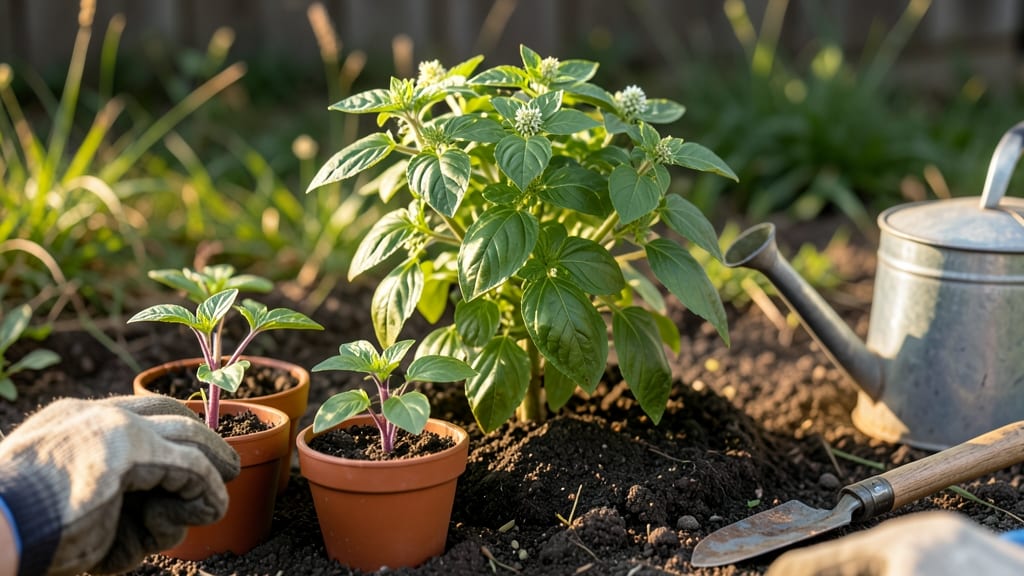
Timing your basil planting in Georgia could mean the difference between a thriving herb garden and a sad, frost-nipped disappointment. With the state's 7b-8b climate, you've got a narrow window to get those 🌿 seeds in the ground just right—after the last frost but before the summer heat peaks.
Most gardeners wait until March 15 to April 30 for spring plantings, but don't rush—those tender basil leaves won't survive a late freeze. The good news? Georgia's long growing season lets you plant again in August-September for a fall harvest, giving you two chances to enjoy fresh basil all year.
Here's the secret: Start seeds indoors 4-6 weeks before your target planting date to give them a head start. Then, once the soil warms to at least 50°F, transplant them outdoors for maximum growth. We'll show you exactly how to time it perfectly for your specific Georgia region.
Ready to grow basil that's bursting with flavor and free from common pitfalls? Let's dive into the ideal planting schedule that'll have your garden thriving from May through October—and maybe even beyond.
Georgia’s frost-free timeline for planting basil: month-by-month breakdown
Georgia’s USDA zones 7b-8b give basil growers a 215-day frost-free window, but timing your plantings correctly ensures your 🌿 basil thrives. The key is planting after the last frost (March 15) but before summer’s 90°F+ heat stresses young plants.
Let’s break down the perfect schedule for both spring and fall plantings.
For spring plantings, most Georgia gardeners start seeds indoors in February and transplant outdoors between March 15 and April 30. Southern Georgia (like Savannah) can plant slightly earlier, while northern regions (like Atlanta) should wait until April 15 to avoid late frosts.
Fall plantings work best from August 15 to September 15, giving your basil time to mature before the first frost in November.
Here’s the critical timeline you need to follow for successful basil growth in Georgia, including soil temperature requirements and regional adjustments.
| Month | Action | Soil Temp (°F) | Notes |
|---|---|---|---|
| February | Start seeds indoors | 60-65°F | Use grow lights if natural light is weak |
| March 15 | Hardening off seedlings | 50°F+ | Acclimate for 7-10 days before transplanting |
| April 1-30 | Transplant outdoors | 55-65°F | Northern GA: Wait until April 15+ |
| May-June | Harvest begins | 60-85°F | Pinch flowers to prevent bolting |
| July-August | Heat stress risk | 80-95°F | Provide afternoon shade if temps exceed 90°F |
| August 15-Sept 15 | Fall planting window | 60-70°F | Southern GA can plant until Sept 30 |
| October-Nov 15 | Harvest before frost | 50-60°F | Use row covers to extend season |
If you’re in Northern Georgia (Atlanta, Dahlonega), err on the side of caution and wait until April 15 to transplant, as late frosts can still occur. For Southern Georgia (Savannah, Brunswick), you can start as early as March 1 and enjoy an extended growing season.
The key is monitoring your local frost-free dates—check the National Weather Service or your local Cooperative Extension for updates.
For container gardening, you can plant basil in pots as late as June and move them indoors before frost. Just ensure your containers have drainage holes and use a lightweight potting mix to prevent root rot.
Containers also let you control soil temperature better, which is crucial during Georgia’s hot summers.
One common mistake is planting basil too early and risking frost damage. Basil is a tender annual that won’t survive temperatures below 40°F. Always check the 7-day forecast before transplanting, and consider using row covers if nighttime temps dip below 50°F.
These lightweight fabrics protect your plants without restricting growth.
Pro tip: If you’re growing Genovese basil (a popular variety), start seeds indoors in late February for a jump on the season. This variety is sensitive to cold, so getting a head start ensures you’ll have flavorful leaves ready for your summer tomato sauces by June.
For heat-tolerant varieties like Thai basil, you can push the fall planting window slightly later, up to September 30 in Southern Georgia.
Remember, basil thrives in 6+ hours of sunlight and consistent moisture. In Georgia’s heat, watering in the early morning prevents evaporation and fungal issues. Mul
Georgia’s frost-free timeline for planting basil: month-by-month breakdown
Georgia’s last frost dates vary by region—Northern Georgia (like Atlanta) typically sees frost until March 15, while Southern Georgia (like Savannah) warms up by February 28. This means your basil planting window shifts too.
For most of the state, aim to plant after March 15 to avoid frost damage, but don’t wait too long—April 30 is your cutoff for spring plantings.
If you’re growing basil in containers, you can push the envelope slightly earlier. Containers warm up faster and can be moved indoors if a late frost hits. Just ensure your soil temperature stays above 50°F (10°C)—basil roots won’t thrive in colder soil.
🌱 Georgia Basil Planting Timeline
| Month | Action | Notes |
|---|---|---|
| February | Start seeds indoors | 4-6 weeks before last frost |
| March 15-April 30 | Transplant outdoors | After last frost, soil ≥50°F |
| May-June | Harvest begins | Pinch flowers for longer harvest |
| August 15-September 15 | Fall planting | Second chance for harvest |
| October-November | Prepare for frost | Harvest before first frost |
For a fall harvest, plant basil again in August-September. This second planting takes advantage of Georgia’s mild autumn temperatures and gives you fresh basil right up until the first frost in November.
Just be mindful of daylight hours—basil needs at least 6 hours of sun daily, even in fall.
If you’re in North Georgia’s higher elevations (like Blue Ridge Mountains), extend your season with row covers or a mini greenhouse. These can protect tender basil plants from unexpected late frosts, giving you an extra 2-3 weeks of growth. Just remove covers during the day to prevent overheating.
Pro tip: Use a soil thermometer to check temperatures before planting. Basil roots struggle below 50°F (10°C), so wait until the soil warms up—even if air temperatures seem mild. Patience here means stronger, healthier plants and a longer harvest season.
Remember, direct sowing vs. transplanting matters too. If you’re sowing seeds directly, do it 2-3 weeks after your last frost date. Transplants, however, can go in as soon as the soil is warm enough—just harden them off first to avoid shock.