
Plants
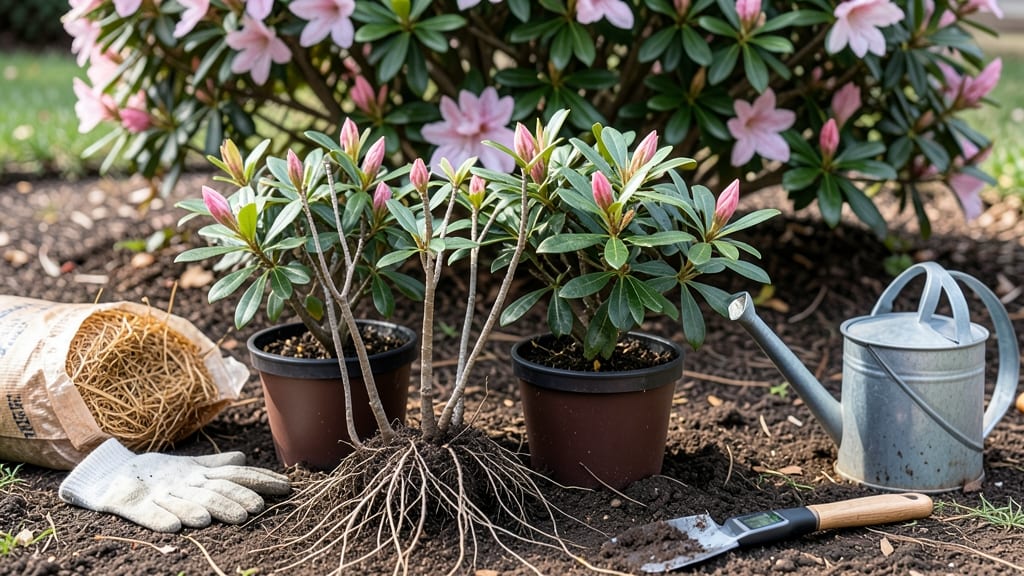
If you're dreaming of a garden bursting with vibrant azalea blooms 🌸, timing your planting could make all the difference in Atlanta's unique climate.
Planting these stunning shrubs at the wrong time means struggling with weak growth or even plant failure—so getting it right is key to those showstopping flowers you crave.
Atlanta's 7b-8a climate zone gives you two prime windows to plant azaleas: fall or early spring. But here's the catch—fall planting (October-November) gives your azaleas a head start before winter, while spring planting (March) lets you avoid summer heat stress.
I'll show you exactly how to choose the best time based on your specific microclimate.
Beyond just months, we'll cover the critical factors that make Atlanta's conditions special—like humidity levels, soil acidity, and how urban heat islands can affect your planting success. Whether you're planting in-ground or in containers, these insights will help you avoid common mistakes that lead to transplant shock.
Ready to transform your garden? Let's dive into the best months and proven techniques to ensure your azaleas thrive year after year in Atlanta's challenging but rewarding climate.
Best months to plant azaleas in Atlanta’s climate zone
Atlanta’s USDA Zone 7b-8a climate gives you two prime windows to plant azaleas: fall (October-November) and early spring (March). These timings align perfectly with Atlanta’s humid subtropical conditions, avoiding extreme heat or frost risks.
Fall planting is my top recommendation because cooler soil temperatures reduce transplant shock while allowing roots to establish before winter.
Fall planting (October-November) lets azaleas establish roots before Atlanta’s first frost (around November 15). This gives them a head start for spring blooming. The 60-70°F soil temperatures during this period are ideal for root development without stressing the plant.
For spring planting, aim for early March—after the last frost (typically March 15) but before summer’s intense heat arrives.
Here’s why timing matters: Planting too early (like February) exposes young roots to freeze-thaw cycles, while planting too late (after April) risks heat stress and poor root establishment. Atlanta’s summer heat can push soil temps above 80°F, which can scorch tender azalea roots if planted too late.
Azalea Planting Timeline for Atlanta
| Season | Best Planting Month | Soil Temp | Success Factor |
|---|---|---|---|
| Fall | October-November | 60-70°F | Root establishment before winter |
| Spring | Early March | 50-60°F | Avoids summer heat stress |
| Avoid | April-July | Above 75°F | High transplant shock risk |
Atlanta’s humidity levels (especially in summer) also play a role. Planting in fall lets azaleas establish roots before summer’s 90%+ humidity peaks, reducing fungal risks. If you must plant in summer, choose late August—just before school starts—to catch the tail end of summer’s heat before fall’s cooler temps arrive.
For container-grown azaleas, timing is slightly more flexible, but still follow these rules. Containers dry out faster in Atlanta’s heat, so deep watering every 5-7 days is critical. If you buy potted azaleas in spring, transplant them immediately after purchase to avoid root-bound stress.
Pro tip: Check Atlanta’s Almanac frost dates each year—they can shift slightly. For example, 2023’s last frost was March 10, while 2024’s was March 15. Use these dates as your planting cue rather than relying on calendar months alone.
Azaleas planted in fall typically bloom 1-2 years sooner than spring-planted ones. This is because their roots have 6 months to establish before the first flush of spring growth. In Atlanta, this means vibrant blooms as early as April for fall-planted azaleas, compared to May for spring plantings.
Remember: Acidic soil (pH 4.5-6.0) is non-negotiable for azaleas. Atlanta’s native soil is often alkaline (pH 6.5+), so amend with pine bark fines or sulfur before planting. Test your soil 2-3 weeks before planting to adjust pH levels in time.
Finally, mulch newly planted azaleas with 2-3 inches of pine straw to retain moisture and regulate soil temperature. This is especially important in Atlanta’s hot summers, where mulch can keep root zones 10°F cooler than surface temps.
How Atlanta’s microclimates affect azalea planting times
Atlanta’s diverse microclimates can shift azalea planting times by weeks—sometimes even months—depending on where you live. The city’s mix of urban heat islands, suburban neighborhoods, and elevated areas creates distinct growing conditions.
For example, downtown Atlanta’s concrete jungle can be 5-10°F hotter than neighborhoods like Buckhead or Decatur, which affects when you should plant.
Urban areas (like Midtown or Downtown) experience earlier heat waves in spring, making late March planting risky. The pavement absorbs heat, raising soil temperatures faster than suburban or rural areas. If you live in these zones, delay planting until April 1-15 to avoid heat stress on young roots.
Suburban areas (like Perimeter or Sandy Springs) have more moderate temperatures, allowing for early March planting without major risks. These zones benefit from cooler nights and better airflow, reducing transplant shock.
If your yard has tree canopy or natural shade, you can plant slightly earlier—even in late February—since the soil stays cooler longer.
Atlanta Microclimate Planting Adjustments
| Zone Type | Best Planting Window | Key Adjustment | Soil Temp Goal |
|---|---|---|---|
| Urban (Downtown, Midtown) | April 1-15 | Delay due to heat islands | 55-60°F |
| Suburban (Perimeter, Buckhead) | March 1-15 | Standard timing | 50-60°F |
| Rural/Elevated (Decatur, Alpharetta) | February 28-March 10 | Earlier due to cooler temps | 45-55°F |
| Near Water Bodies (Lake Lanier) | March 15-April 1 | Humidity delays root set | 50-65°F |
Elevation also plays a role. Areas like Alpharetta or Roswell (elevated 1,000+ feet) have cooler microclimates and can support late February planting. The cooler temperatures extend the safe window by 2-3 weeks compared to lower-lying areas.
If you're unsure about your elevation, check the USGS National Map for your address—every 100 feet of elevation can shift optimal planting by about 5 days.
Water bodies like Lake Lanier or Lake Allatoona create their own microclimates with higher humidity. In these areas, azaleas planted in early March may struggle with fungal diseases like root rot due to prolonged moisture.
For waterfront properties, delay planting until mid-March or use raised beds with excellent drainage to mitigate risks.
One often-overlooked factor is wind exposure. Areas like Stone Mountain or the Chattahoochee River corridor experience stronger winds, which dry out soil faster. If your yard is windy, plant azaleas in sheltered spots** or use windbreaks like bamboo screens or evergreen hedges to create a microclimate that retains moisture.
Pro tip: Use a soil thermometer to check temperatures before planting. Aim for 50-60°F soil temps in spring—if it’s warmer, wait a week. In fall, 60-70°F is ideal. This simple tool removes the guesswork from Atlanta’s ever-changing microclimates and ensures your azaleas get off to the right start.