
Plants
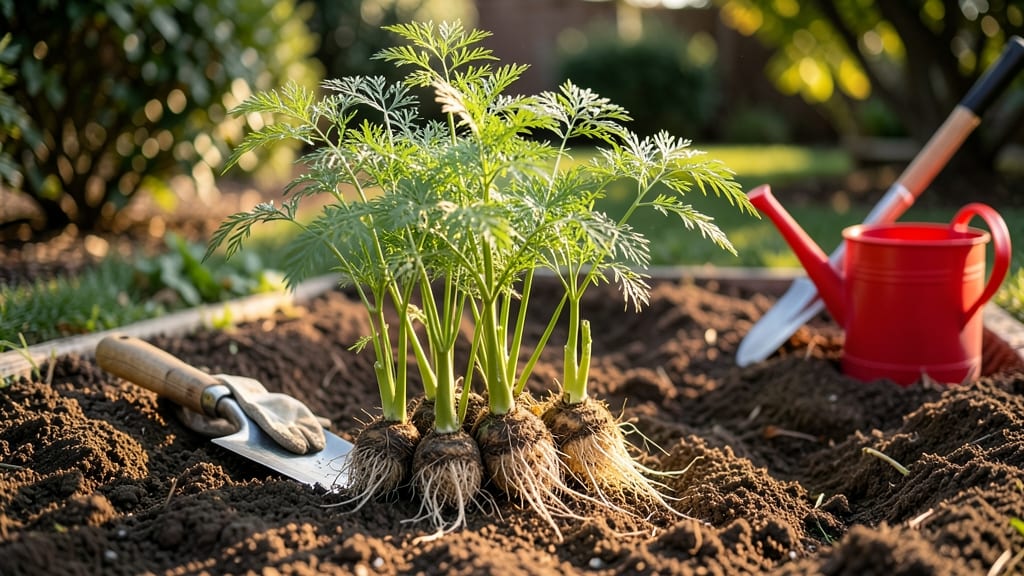
Timing is everything when it comes to planting asparagus in Seattle—get it right, and you’ll enjoy fresh, homegrown spears for years with almost no effort. The cool, wet climate here actually works in your favor, but only if you plant during the narrow window when soil temperatures are just right.
Most gardeners in USDA Zone 8a like Seattle know the struggle: too early, and frost will damage tender crowns; too late, and your plants won’t establish before summer heat sets in.
The sweet spot? Early spring, between March and April, when the last frost has passed but the ground hasn’t baked yet.
Why does this matter? Because asparagus is a perennial powerhouse—once planted, it can produce for 10-15 years with minimal care. But skip the right timing, and you’ll either wait years for harvests or deal with stunted growth.
Let’s break down exactly when to plant for maximum success in Seattle’s unique climate.
You’ll also discover how to prep your soil for Seattle’s acidic, clay-heavy conditions and when to expect those first delicious spears—as early as May if you follow the right steps. Ready to get started?
Seattle’s ideal asparagus planting window: month-by-month breakdown
Seattle’s USDA Zone 8a/8b climate creates a unique opportunity for growing asparagus, a perennial vegetable that thrives in cool, moist conditions. Unlike warmer climates, you can plant asparagus in both spring and fall, but timing is critical to avoid frost damage or stunted growth.
The ideal window spans from late winter to early spring, with a secondary option in late summer.
For spring planting, aim for March through April when soil temperatures consistently reach 50°F (10°C). This aligns with Seattle’s last frost date around March 15, giving young plants time to establish roots before summer heat arrives.
Fall planting is riskier but possible in late August to September, allowing crowns to root before winter dormancy.
📅 Seattle Asparagus Planting Timeline
| Season | Best Months | Soil Temp | Key Consideration |
|---|---|---|---|
| Spring | March–April | 50°F+ (10°C+) | Avoid frost; plant after last frost date |
| Fall | Late August–September | 60°F+ (15°C+) | Crowns need 6+ weeks to root before frost |
| Avoid | November–February | N/A | Frost risk; plant dormancy period |
🌱 Pro Tip: Use crowns (not seeds) for faster harvests—Seattle’s cool climate slows seed germination.
Seattle’s microclimates add another layer of complexity. Urban areas like Ballard or Fremont may experience earlier last frosts (mid-March), while rural zones like Snoqualmie can delay planting until late April. Check local frost data or use USDA Plant Hardiness Zone Map tools to refine your timing.
If you’re planting in containers, start 4–6 weeks earlier (late February) to account for slower soil warming. Containers also dry out faster, so monitor moisture levels closely during Seattle’s variable spring rains. For in-ground planting, choose a south-facing bed to maximize warmth and sunlight exposure.
One common mistake in Seattle is planting too early when soils remain cold and soggy. Test soil temperature with a soil thermometer—asparagus crowns rot in below-50°F (10°C) soils.
If your garden stays chilly, opt for cold-hardy varieties like 'Mary Washington' or 'Jersey Knight', which tolerate brief frost exposure.
For fall planting, focus on late August to give crowns time to establish before the first frost (typically mid-November). Mulch heavily with straw or leaves to insulate roots during winter. Avoid planting in September or October, as new growth may not harden off before cold snaps.
Remember: Asparagus is a perennial investment. While you won’t harvest until Year 3, proper planting timing ensures decades of low-maintenance yields. Seattle’s climate rewards patience—just plant at the right moment, and you’ll enjoy fresh spears for years with minimal effort.
🌿 For extra confidence, mark your planting dates on a garden calendar and track soil temps weekly using a free weather app like Weather Underground. This helps adjust for Seattle’s unpredictable Pacific Northwest weather patterns.
How to prepare Seattle’s soil for asparagus success (and avoid common mistakes)
Seattle’s acidic, clay-heavy soil isn’t naturally asparagus-friendly, but with the right prep, you can create the perfect growing conditions. Asparagus thrives in loose, well-draining soil with a pH between 6.5 and 7.5—far from Seattle’s typical 6.0 or lower.
Skipping soil prep here means stunted plants, poor yields, and years of frustration. Let’s fix that before planting.
The first step is testing your soil’s pH—grab a DIY test kit from your local garden center or send a sample to WSU Extension for a professional analysis. If your soil is too acidic (common in Seattle), you’ll need to raise the pH with lime.
For every 0.1 pH point below 6.5, apply 50 lbs of dolomitic lime per 100 sq ft and work it into the top 12 inches of soil 2-3 months before planting.
🚨 WARNING: Overdoing lime can make your soil too alkaline, which asparagus also dislikes. Aim for 6.5-7.5 pH—no higher. Once you’ve adjusted the pH, it’s time to improve drainage. Asparagus hates soggy roots, so amend your clay soil with 3-4 inches of compost or well-rotted manure mixed into the top 12 inches. For heavy clay, consider raising beds or planting in mounded rows to prevent waterlogging.
⚠️ Common Mistake: Over-Fertilizing with Nitrogen
Asparagus needs phosphorus and potassium for strong roots, but too much nitrogen leads to leafy growth at the expense of spears. Avoid high-nitrogen fertilizers like blood meal or alfalfa pellets in the first year. Instead, use a balanced 5-10-10 fertilizer sparingly—just 1/4 cup per plant in early spring.
Next, clear the planting area of weeds, rocks, and debris. Asparagus competes poorly with weeds, so mulch heavily with straw or wood chips (3-4 inches deep) to suppress weeds and retain moisture. Avoid fresh mulch, which can draw nitrogen away from your asparagus roots.
Finally, plant crowns 6-8 inches deep in trenches, spacing them 12-18 inches apart in rows 3 feet apart. This gives roots room to spread without crowding.
One pro tip for Seattle gardeners: If your soil stays wet for long periods (like in winter), consider planting on a slight slope or in a raised bed to improve drainage. Asparagus is perennial, so getting the soil right now means decades of low-maintenance harvests.
Skip the prep, and you’ll regret it by Year 2 when your spears stay small and sparse.
With the right soil prep, your asparagus will establish strong roots and reward you with thick, tender spears for years. Just remember: pH first, drainage second, and patience third—asparagus takes 2-3 years to reach full production, but it’s worth the wait. Ready to dig in?