
Trees
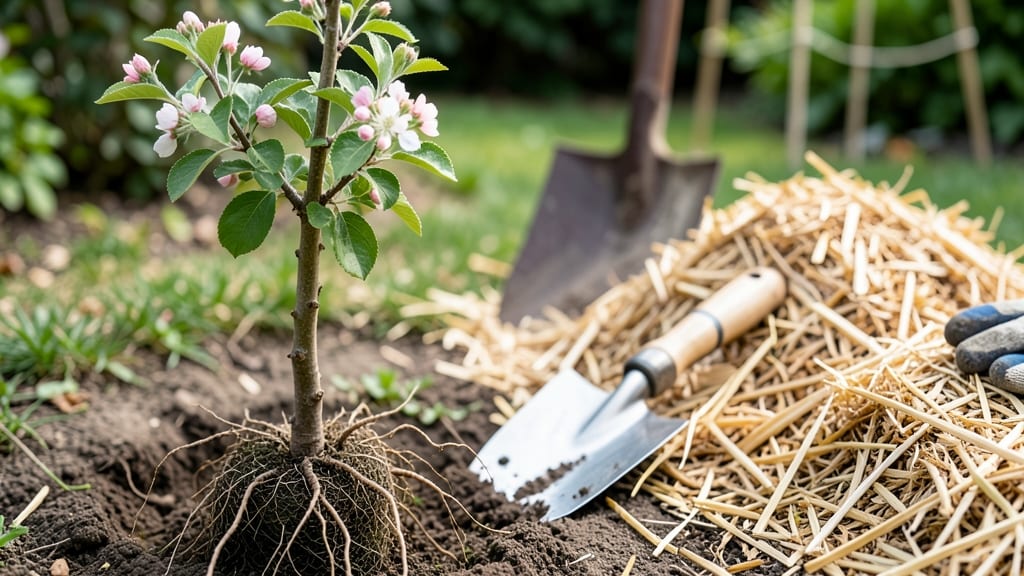
Timing your apple tree planting in Connecticut can mean the difference between a thriving 🍎 orchard and a struggling sapling. With Connecticut’s unpredictable spring weather and frost dates that hover around April 15, getting the window right is critical for strong root establishment.
Most gardeners in zones 5b-6b swear by early spring (March-April) or fall (October) planting, but there’s more to it than just picking a month. The key lies in soil temperature, frost risk, and whether you’re planting bare-root or container-grown trees.
I’ve seen firsthand how a well-timed planting leads to faster growth and better fruit production. Whether you’re a first-time gardener or a seasoned orchardist, these insights will help you avoid common mistakes and set your apple tree up for long-term success.
Let’s break down the best planting windows, soil prep secrets, and care tips tailored specifically for Connecticut’s climate—so you can enjoy homegrown apples in just a few years.
Best planting months for apple trees in Connecticut’s climate zones
Connecticut’s USDA Hardiness Zones 5b-6b create unique challenges for apple tree planting. The last frost date around April 15 and first frost near October 15 define your planting window. Planting at the wrong time can stunt root growth or expose young trees to winter stress.
For bare-root apple trees, the ideal window is early spring (March-April) when soil thaws but before buds break. This gives roots 6-8 weeks to establish before summer heat arrives. Fall planting (late September-early November) is also excellent, allowing roots to grow before winter dormancy.
Container-grown apple trees offer more flexibility—they can be planted year-round in CT, but avoid extreme heat (July-August) or deep freeze (December-February). These trees need immediate watering to reduce transplant shock.
Here’s how Connecticut’s climate affects planting success:
| Planting Window | Soil Temperature | Frost Risk | Root Growth Benefit |
|---|---|---|---|
| Early Spring (March-April) | 40-50°F (4-10°C) | Low (post-last frost) | 6-8 weeks before summer |
| Fall (Late Sept-Early Nov) | 50-60°F (10-15°C) | Moderate (pre-first frost) | Establishes roots before dormancy |
| Container-Grown (Year-Round) | 50-70°F (10-21°C) | Varies (avoid extremes) | Flexible timing with care |
Spring planting works best for bare-root trees because CT’s sandy loam soils warm quickly, promoting root growth. Fall planting is ideal for container-grown trees—they establish roots before winter and wake up stronger in spring.
Avoid planting in late spring (May-June) when CT’s summer heat can dry out young roots. Similarly, planting in December-February risks frost damage to tender new growth. Monitor local frost forecasts to adjust timing.
For dwarf apple trees (common in CT home gardens), follow the same timing but plant 2-3 feet deeper than standard varieties to encourage root development. Their smaller size makes them more adaptable to CT’s short growing season.
Connecticut’s northern regions (Zone 5b) should prioritize early spring planting, while southern areas (Zone 6b) can extend fall planting slightly later. Check your local microclimate—valleys may frost earlier than hillsides.
After planting, mulch with 3-4 inches of wood chips to retain moisture and regulate soil temperature. This is critical in CT’s variable climate, where sudden temperature swings can stress young trees.
🍏
How to prepare Connecticut soil for apple tree planting success
Connecticut’s sandy loam soils and clay-heavy areas can make or break your apple tree’s success. Before planting, test your soil’s pH (ideal: 6.0-6.5)—most CT soils run slightly acidic, which can stunt root growth.
Use a home test kit or send a sample to UConn’s Soil Testing Lab for precise results.
Avoid planting in waterlogged spots—apple trees hate soggy roots. If your yard has poor drainage, amend the soil with organic matter (compost or aged manure) to improve aeration. Mix in 1-2 inches of compost into the top 12 inches of soil before digging your planting hole.
For clay-heavy soils (common in southern CT), add coarse sand or perlite to create pockets of better drainage. This prevents root rot, a silent killer of young apple trees. I’ve seen trees in Fairfield County thrive after this simple amendment—don’t skip it!
Fresh manure burns roots with high ammonia. Use only composted manure (aged 6+ months) or well-rotted compost to prevent damage. Connecticut’s variable spring temperatures make this risk even higher.
Dig a planting hole twice as wide as the root ball but only as deep. This encourages roots to spread horizontally rather than circling, which can strangle the tree. Loosen the side walls of the hole to reduce compaction—CT’s heavy clay packs down easily.
Mound a hill of native soil in the center of the hole. Place your apple tree’s roots over this mound so the graft union (visible bump) sits 2-3 inches above soil level. This prevents water from pooling at the base, reducing rot risk in CT’s humid summers.
Backfill with a mix of native soil and compost (70/30 ratio), tamping gently to remove air pockets. Water deeply to settle the soil, then apply 3-4 inches of wood chip mulch, keeping it 6 inches away from the trunk.
This mimics CT’s forest floor conditions and regulates moisture.
🌱