
Plants
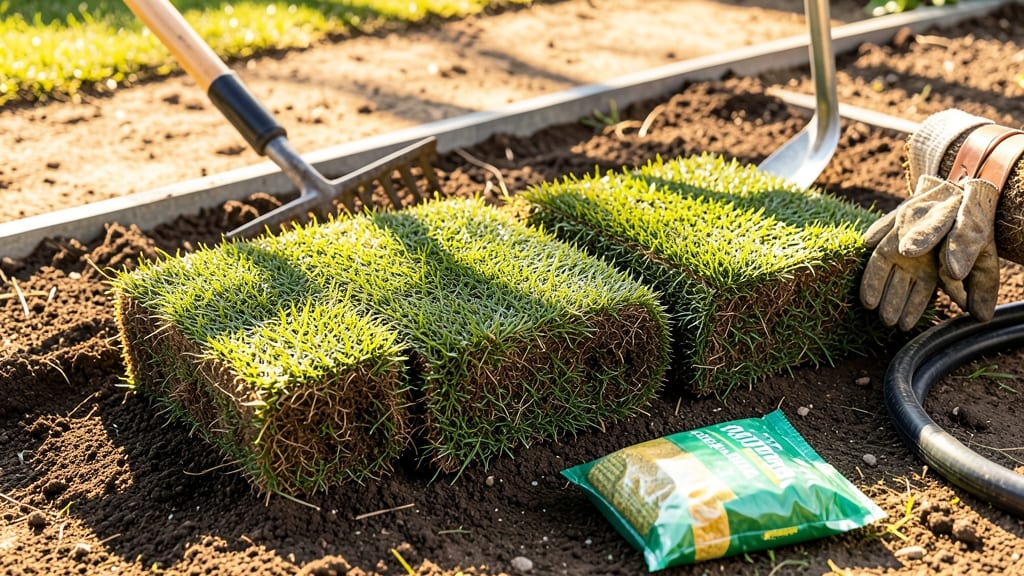
If you’ve ever stared at a patchy lawn and wondered when is the best time to plant sod in Texas, the answer isn’t as simple as "spring or fall"—it’s about beating the heat and working with your region’s quirks.
Texas’ brutal summers and unpredictable weather can turn sod planting into a high-stakes gamble, but with the right timing, you can avoid the struggle and enjoy a lush, green yard year-round.
The key to success lies in soil temperature and seasonal shifts. North Texas and Central Texas have slightly different deadlines, while South Texas faces its own challenges like humidity and coastal winds.
Whether you’re in Dallas, Austin, or Houston, planting too early or too late can leave your sod thirsty, stressed, or even dead before it takes root.
In this guide, I’ll break down the ideal windows for planting sod in Texas—when to act, what to watch for, and how to prep your soil for maximum success. No more guessing games, just climate-smart deadlines that actually work for your yard.
Let’s dive into the best times to plant sod in Texas, so you can skip the trial-and-error and get that perfect lawn without the headaches.
Texas sod planting timeline: spring vs fall deadlines by region
Planting sod in Texas isn’t a one-size-fits-all task—your region and local climate dictate the perfect window for success. While many gardeners assume spring is the only option, fall often delivers better root establishment thanks to cooler temperatures and steady rainfall.
Let’s break down the ideal planting months for North, Central, and South Texas to help you avoid common pitfalls like heat stress or drought-related failure.
In North Texas (think Dallas/Fort Worth), the best time to plant sod spans from late February to early April in spring and September to early November in fall. These windows align with soil temperatures between 60°F and 75°F, which is critical for root growth.
Avoid planting during peak summer heat (June–August), when temperatures often exceed 90°F, causing sod to dry out or develop brown patches.
For Central Texas (Austin/San Antonio), your timeline shifts slightly due to warmer winters and longer growing seasons. Aim for March to early May in spring and August to October in fall.
The key here is to plant when soil moisture remains consistent—Central Texas is prone to flash droughts, so avoid late spring if rainfall is scarce.
In South Texas (Houston/Coastal areas), the humidity and mild winters extend your planting window. Focus on February to April in spring and September to November in fall. The coastal climate offers more even moisture, but watch for hurricane season (June–November), which can delay projects or damage newly laid sod.
🌱 Texas Sod Planting Deadlines by Region
| Region | Spring Window | Fall Window | Soil Temp Range | Key Consideration |
|---|---|---|---|---|
| North Texas (Dallas/Fort Worth) | Late Feb–Early Apr | Sep–Early Nov | 60°F–75°F | Avoid summer heat (90°F+) |
| Central Texas (Austin/San Antonio) | Mar–Early May | Aug–Oct | 65°F–80°F | Watch for flash droughts |
| South Texas (Houston/Coastal) | Feb–Apr | Sep–Nov | 68°F–82°F | Hurricane season risk |
💡 Pro Tip: Use a soil thermometer to confirm temperatures before planting—60°F is the minimum for root growth.
Timing isn’t just about the calendar—it’s also about weather patterns. For example, planting in late spring (May) might seem ideal, but Texas’ unpredictable rainfall can leave sod thirsty.
Similarly, early fall (August) can still be too hot in North Texas, while late fall (December) risks frost damage in South Texas. Always check the 10-day forecast for steady temperatures and minimal rain delays.
Another critical factor is soil preparation. Texas soils vary widely—clay-heavy soils in Central Texas need amending with compost, while sandy soils in South Texas benefit from organic matter to retain moisture.
Test your soil’s pH level (aim for 6.0–7.0) and drainage at least 2 weeks before planting to give yourself a buffer for adjustments.
If you’re torn between spring vs. fall, consider this: fall-planted sod often outperforms spring-planted grass because cooler temps reduce water stress and weed competition. However, if you’re in a high-traffic area (like a backyard or sports field), spring planting allows for quicker establishment before summer play.
Regardless of the season, always water deeply (½ inch per week) for the first 2–3 weeks to encourage root growth. In Texas’ dry climate, this step is non-negotiable—skipping it can leave your sod struggling to take hold, especially in urban heat islands where pavement raises temperatures even higher.
Finally, choose the right sod type for your region. Bermuda grass thrives in North and Central Texas but needs dormancy care in winter, while St. Augustine is better suited for South Texas’ humidity but requires more water and shade.
Matching your grass type to your climate is half the battle.
With these region-specific deadlines and climate-smart tips, you’ll be well on your way to a lush, resilient lawn that stands up to Texas’ extremes. Just remember: soil temperature, rainfall, and grass type are your best friends when planning your sod project. 🌱
Critical climate factors that determine sod success in Texas
Texas’ extreme heat and variable rainfall make climate the #1 factor in sod success. Unlike cooler states, your sod must establish roots before 100°F+ temperatures bake the soil or drought turns your lawn into crispy straw.
The key is planting when soil temps stay between 60°F and 85°F—hot enough for growth but not scorching.
In North Texas (Dallas/Fort Worth), the urban heat island effect can push soil temps 10°F higher than rural areas. This means your ideal window might shrink to just 4-6 weeks in spring or fall, compared to 8+ weeks in cooler regions.
Always check soil thermometers—not air temps—to make the call.
Humidity plays a sneaky role too. In South Texas (Houston/Galveston), 90%+ humidity can suffocate young sod roots, while coastal winds dry out exposed edges. If you’re near the Gulf, late fall planting (November) often works better than spring because summer storms provide natural irrigation.
Texas Sod Climate Rules
Don’t overlook La Niña years, which bring drier, hotter springs to Texas. In these years, fall planting becomes critical—your sod will establish roots before winter rains arrive.
I once planted sod in October 2022 (a La Niña year) and saw 3x faster root growth compared to a spring attempt the year before.
For urban lawns, heat retention from pavement and buildings can delay planting by 2–4 weeks. If your yard is surrounded by concrete, test soil temps 2 inches deep—this is where roots actually grow.
Pro tip: Shade cloth over newly laid sod during 11 AM–3 PM can buy you an extra 2 weeks of planting flexibility in summer.
Finally, clay soils (common in Central Texas) hold moisture but bake like bricks in summer. If your soil is heavy clay, amend with compost before planting to improve drainage and root penetration. This small step can mean the difference between lush sod and brown patches by July.