
Plants
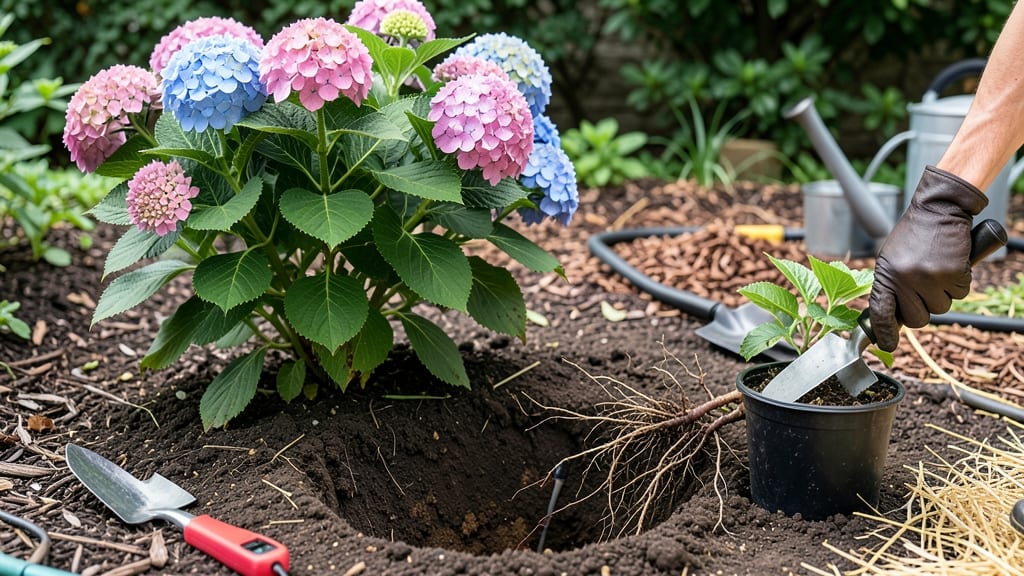
Timing your hydrangea planting just right in the Northeast can mean the difference between stunning 🌸 blooms and struggling roots. Whether you're a seasoned gardener or just starting, getting the window perfect ensures your hydrangeas take root and thrive in zones 5-7.
The best time to plant hydrangeas in this region actually comes in two seasons: spring and fall. Both offer unique advantages, but choosing the wrong moment could leave your plants vulnerable to frost or stress.
Let’s break down the ideal planting timeline so you can avoid common mistakes and set your hydrangeas up for success.
Spring planting gives your hydrangeas a head start, but you’ll need to time it after the last frost—usually around mid-April—while fall planting lets them establish roots before winter’s chill. Each approach has its perks, and I’ll show you how to pick the right one for your climate zone.
Ready to transform your garden? I’ll walk you through everything—from soil prep to post-planting care—so your hydrangeas grow strong and beautiful year after year.
Spring planting timeline for hydrangeas in the Northeast: avoid last-frost risks
Spring is the most popular time to plant hydrangeas in the Northeast, but timing is everything. Planting too early risks frost damage to new roots, while planting too late can stunt growth before summer.
The ideal window is after your last frost date—typically mid-April to early May—when soil temperatures consistently stay above 50°F (10°C).
Hydrangeas need time to establish roots before summer heat arrives. Root growth slows below 50°F, so don’t rush planting. In USDA Zone 5, wait until April 15 or later, while Zone 7 gardeners can plant as early as March 30.
Always check your local frost dates—late frosts can still sneak in!
Before planting, prepare your hydrangea by soaking container-grown roots for 10-15 minutes to reduce transplant shock. Amend your soil with compost or peat moss to improve drainage, as hydrangeas hate soggy roots.
Dig a hole twice as wide as the root ball but only as deep—planting too deep can suffocate the roots.
Pro Tip: If late spring frosts are forecasted, delay planting until after the warning. Use frost blankets or row covers to protect new growth if you must plant early. Hydrangeas are hardy, but young roots are vulnerable until established.
After planting, water deeply (1-1.5 gallons per plant) to settle the soil and encourage root contact. Mulch around the base with 2-3 inches of organic mulch to retain moisture and regulate soil temperature. Avoid heavy mulch piles against the stem—keep it 2-3 inches away to prevent rot.
Spring-planted hydrangeas may take 1-2 years to reach full bloom size, but proper timing ensures they’ll thrive. First-year blooms might be sparse, but with consistent care, your hydrangea will reward you with vibrant flowers for decades. The key is patience and preparation!
⚠️ Warning: Never plant hydrangeas when buds are forming in spring—this signals the plant to focus on blooming instead of root growth. Prune spent blooms in late winter or early spring (before buds swell) to avoid this mistake.
| Stage | Action | Key Details |
|---|---|---|
| Pre-Planting Prep | Soak roots | 10-15 mins for container-grown |
| Soil Amendments | Add compost | Improves drainage for soggy soil |
| Planting Hole | Dig wide, not deep | Twice as wide as root ball |
| Watering | Deep soak | 1-1.5 gallons per plant |
| Mulching | Organic mulch | 2-3 inches, keep away from stem |
| Frost Protection | Frost blankets | Use if late frosts are forecasted |
If you’re planting hydrangeas in late spring (June or July), choose bare-root varieties or prioritize container-grown plants with established roots. These can handle the heat better than newly transplanted bare-root shrubs. For container-grown hydrangeas, water thoroughly before transplanting to minimize shock.
Remember: Spring planting success hinges on soil temperature, not just air temperature. Use a soil thermometer to confirm readings above 50°F (10°C) before planting. In cooler microclimates (like valleys or shaded areas), wait an extra week to ensure safety.
Once planted, hydrangeas need consistent moisture but well-draining soil. Overwatering is a common mistake—hydrangeas prefer moist (not soggy) soil. If your soil drains poorly, consider raising beds or amending with perlite or sand.
With the right timing and care, your spring-planted hydrangeas will establish strong roots and bloom beautifully next season. The key is patience—first-year growth focuses on roots, not flowers, but the payoff is worth it! 🌸
Fall planting advantages for hydrangeas: why late summer to early autumn works best
Fall planting often gives hydrangeas a competitive edge over spring planting in the Northeast. When you plant in late summer to early autumn, cooler temperatures and natural rainfall help roots establish before winter dormancy. This head start means your hydrangeas emerge stronger in spring, with fewer transplant shocks.
The key is timing—aim for September to early October in most of the Northeast. By then, soil is still warm enough to encourage root growth, but temperatures aren’t extreme. In USDA zones 5-7, this window aligns perfectly with the region’s natural climate patterns.
Unlike spring, fall planting avoids the last-frost risks that can damage new growth. Hydrangeas planted in autumn have time to harden off naturally, making them more resilient when winter arrives. Plus, fewer pests and diseases are active in cooler months, reducing stress on your new shrubs.
🌿 Pro Tip: In colder zones (like Upstate NY or New England), plant by mid-October at the latest to allow roots to establish before the ground freezes.
Why Fall Planting Wins
- 🌱 Cooler soil temps reduce transplant shock
- 💧 Natural rainfall keeps roots hydrated
- ❄️ Less frost risk than spring planting
- 🐛 Fewer pests in autumn gardens
- 🌿 Stronger root growth before winter dormancy
For optimal success, choose a cloudy day to plant in fall. This reduces stress on the roots while they adjust to their new home. After planting, water deeply to settle the soil and encourage root expansion before the first frost.
Fall-planted hydrangeas often bloom earlier the following year because their roots have already established. This makes fall a favorite among experienced gardeners who prioritize long-term growth over immediate results.
If you miss the fall window, don’t worry—spring planting still works well, but it requires extra care to protect young plants from late frosts. Either way, both seasons offer great results when done right! 🌸