
Plants
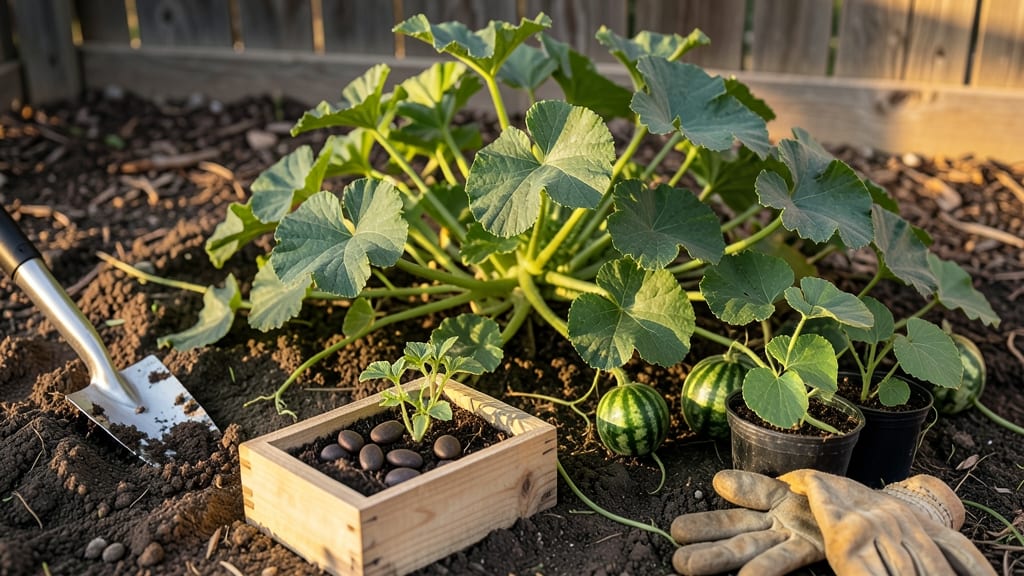
Planting watermelons in Texas isn't just about throwing seeds into the dirt—it's about timing them perfectly to beat the heat and frost.
Whether you're in North Texas with its chilly springs or South Texas where summer arrives early, getting the schedule wrong can mean the difference between juicy harvests and wasted effort.
I’ve grown these heat-loving melons 🌱 for years across different Texas zones, and the key is knowing when the soil warms up to 75°F or higher. That’s when those seeds finally sprout, and missing that window can leave you scrambling.
Let me show you exactly when to plant in your region—plus how to stretch your growing season for bigger yields.
Texas gardeners often make one big mistake: rushing into the garden too soon. Cool soil and late frosts can stall growth, and once summer hits, those melons need all the head start they can get.
We’ll cover optimal planting dates for your area, plus smart tricks to protect your plants from Texas’ brutal heat waves.
Ready to turn your backyard into a watermelon patch? By the end of this guide, you’ll know exactly when to plant, how to prep your soil, and what varieties thrive best in your corner of the Lone Star State. Let’s get growing!
Optimal Texas watermelon planting dates by region (avoid frost & heat stress)
Texas spans three distinct growing zones, each with unique last frost dates and soil temperature requirements for watermelons. Planting too early risks frost damage, while waiting too long means missing the 75°F+ soil threshold needed for germination.
Let’s break down the best times for North, Central, and South Texas to maximize your harvest.
Watermelon seeds won’t sprout until soil reaches 70-75°F, and vines struggle in extreme heat above 95°F. Texas’ North Texas (USDA Zones 7b-8a) has the latest frost dates, while South Texas (Zones 9a-10a) can plant year-round with proper care.
Central Texas (Zones 8a-8b) falls in between, offering a longer growing window.
Here’s your region-specific planting schedule to avoid frost and heat stress:
For North Texas, aim to plant 4-6 weeks after your last frost date—typically late April to early May. Use a soil thermometer to confirm temperatures are stable at 75°F+ before sowing seeds.
In Central Texas, you can start as early as early March in sheltered microclimates, but wait until mid-April for full sun exposure areas.
In South Texas, watermelons can be planted almost year-round, but avoid June-August due to intense heat and drought stress. Instead, focus on spring (February-March) and fall (September-October) plantings. Use shade cloth or mulch to protect vines during summer’s peak.
Pro tip: Start seeds indoors 2-3 weeks before your target outdoor planting date to give seedlings a head start. Use biodegradable pots and transplant carefully to avoid disturbing roots when soil warms up.
Always check Texas A&M AgriLife Extension for your local county’s frost dates, as microclimates can vary even within regions. For example, Dallas may frost later than Amarillo, even though both are in North Texas.
Once planted, watermelons need 6-8 hours of sunlight daily and consistent moisture. Water at the base of plants in the morning to prevent fungal diseases like powdery mildew, which thrives in Texas’ humid summers.
🌱
How to extend your Texas watermelon season with smart planting strategies
Texas summers are brutal—90°F+ temps can stress watermelons if planted too early. But with the right strategies, you can extend your harvest from spring to fall. Start by choosing heat-tolerant varieties like 'Sugar Baby' or 'Crimson Sweet', which thrive even when temperatures climb.
These varieties handle Texas’ intense heat better than traditional types, giving you a longer growing window.
For an early spring start, use row covers or cold frames to protect seedlings from late frosts. Once soil temperatures hit 75°F+ (use a soil thermometer to check), remove covers and let plants harden off.
This trick lets you plant 4-6 weeks earlier than traditional schedules, giving you a head start on the season.
🌱
- 🌱 Succession Planting: Sow seeds every 2 weeks from April to July for staggered harvests.
- ☀️ Shade Cloth: Use 30-50% shade cloth during peak summer heat (June-August) to prevent wilting.
- 💧 Drip Irrigation: Water deeply at soil level (1-2 inches per week) to avoid leaf burn from overhead sprinklers.
Summer planting requires extra care. Watermelons planted in June or July need consistent moisture and protection from scorching winds. Use mulch (straw or black plastic) to retain soil moisture and regulate temperatures.
This method can push your harvest into late September or October, just before the first frost in most of Texas.
Don’t overlook fall planting—it’s a great way to avoid summer’s worst heat. Start seeds indoors in August and transplant outdoors in early September. With proper care, you might still get a harvest before the first frost, especially in South Texas, where frost-free dates extend into November.
Finally, monitor your plants for heat stress signs like yellowing leaves or curled vines. If you see these, provide temporary shade and increase watering frequency. With these strategies, you can enjoy watermelons for nearly half the year in Texas—no wasted season here!
🌞