
Plants
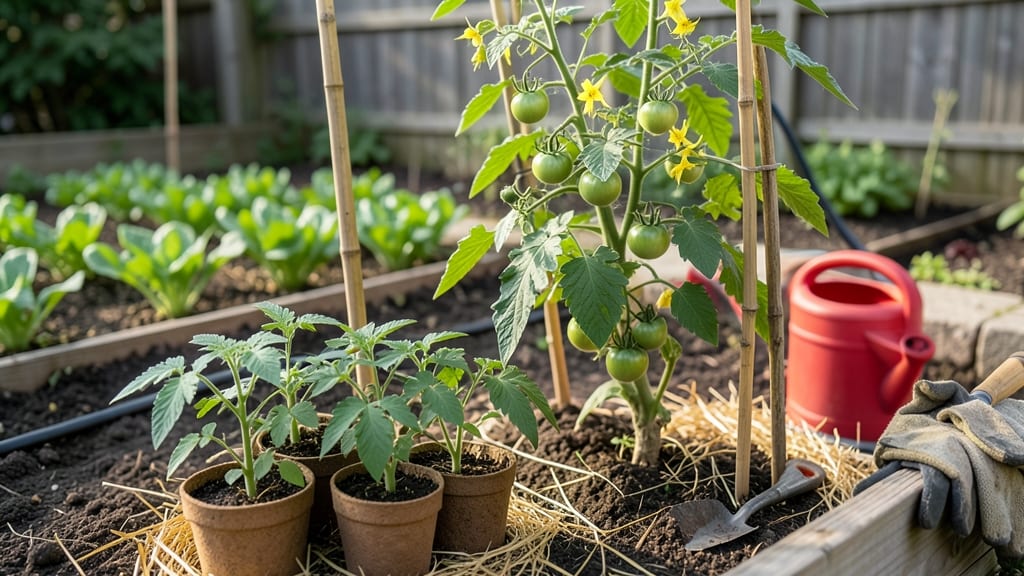
When do you plant tomatoes in Washington State? Timing your tomato planting isn’t just about the calendar—it’s about dodging those chilly spring surprises that can turn your 🍅 dreams into frostbitten disappointments. Whether you're in the rain-soaked Puget Sound or the drier Columbia Basin, getting the window right means the difference between a bountiful harvest and a sad, stunted plant.
I’ve seen gardeners in Zone 7 rush their tomatoes too early, only to watch them wilt under late frosts, while others in Zone 9 miss the sweet spot and end up with smaller yields.
The key? Knowing your microclimate’s last-frost dates and soil temperature thresholds—because Washington’s weather is as varied as its landscapes.
In this guide, I’ll break down the exact planting deadlines for your specific zone, including when to start seeds indoors and when to transplant outdoors. You’ll also discover how to adjust for urban heat islands, elevation changes, and even those pesky rain shadows that can throw off your schedule.
By the end, you’ll have a customized planting timeline that accounts for your local conditions, so you can confidently put those seeds in the ground—and watch your tomato plants thrive from spring all the way through fall.
Washington State tomato planting deadlines by USDA hardiness Zone (with frost risk maps)
Washington State spans USDA Zones 7-9, but your exact tomato planting window depends on whether you're in the Puget Sound region (Zone 8-9), the Columbia Basin (Zone 7), or the Palouse (Zone 7-8). The key factor? Last frost dates, which can vary by 3-4 weeks across the state.
In Western WA, expect last frosts between April 15-May 1, while Eastern WA often waits until May 15-June 1.
Tomatoes need warm soil (60°F+) and consistent temperatures above 50°F to thrive. Planting too early in cold soil leads to blossom end rot and poor root development. My rule? Wait until soil temps hit 60°F at 4" depth—use a soil thermometer for accuracy.
In Zone 7 areas like Yakima, this might mean waiting until late May, while Seattle gardeners can start as early as mid-April in sheltered microclimates.
| Zone | Last Frost Avg. | Transplant Window | Direct Sow Window | Soil Temp Threshold |
|---|---|---|---|---|
| 7 (Eastern WA) | May 15-June 1 | May 20-June 10 | June 1-June 15 | 60°F+ (4" depth) |
| 8 (Puget Sound) | April 15-May 1 | April 25-May 15 | May 1-May 15 | 55°F+ (4" depth) |
| 9 (San Juan Islands) | March 15-April 1 | April 1-April 15 | April 15-May 1 | 50°F+ (4" depth) |
*Adjust dates 1-2 weeks earlier for urban heat islands or microclimates with earlier warming.
For transplants (purchased or home-grown seedlings), aim to plant 2-3 weeks after your last frost date. This gives young plants time to establish roots before summer heat arrives.
In Zone 7, that means waiting until late May, while Zone 8-9 gardeners can start as early as mid-April. Pro tip: Harden off seedlings for 7-10 days before transplanting to reduce shock.
If you prefer direct sowing (planting seeds outdoors), wait until 2 weeks after your transplant window—soil needs to be 10°F warmer than for transplants. In Western WA, this often lands in late May, while Eastern WA may need to wait until June.
Direct-sown tomatoes take 7-10 days longer to mature, so choose early-maturing varieties like 'Mountain Merit' (65 days) if you're in a shorter season.
One common mistake? Planting tomatoes too early in cold, wet soil. This leads to damping off (seedlings rotting at the base) and poor germination. Always check for 3 consecutive days above 55°F before sowing seeds.
For extra protection, use row covers or black plastic mulch to warm the soil faster—this can shave 1-2 weeks off your planting timeline in cooler zones.
Washington’s elevation changes also affect timing. Areas like Mount Rainier National Park (Zone 5) may need to wait until June 15 for safe planting, while lowland areas near the Columbia River can start as early as April 1.
Use the USDA Plant Hardiness Zone Map and local NOAA frost data to fine-tune your schedule. For example, Spokane (Zone 7) has a 3-week later frost date than Bellingham (Zone 8).
For container growing, adjust your timeline 1-2 weeks earlier—containers warm up faster than garden beds. Place pots in south-facing locations and use heat-absorbing fabrics under containers to maintain warmth.
In Zone 9 areas like the San Juan Islands, you can even start early varieties in containers by March 15, giving you a 6-8 week head start on the season.
Don’t forget about succession planting! In Washington’s short season, plant fast-maturing varieties every 2-3 weeks until July 1 to extend your harvest.
For example, sow 'Stupice' (55 days) in early May, then follow with 'Early Girl' (60 days) in late May, and finish with 'Better Boy' (75 days) in early June. This staggered approach ensures a continuous supply of tomatoes from July through September.
Always monitor your local weather forecasts in the weeks leading up to planting. A late frost in early May can wipe out young seedlings, while unseasonably warm spells in March might trick
How to adjust planting dates for Washington’s unique microclimates (Puget Sound, Columbia Basin, Palouse)
Washington State’s diverse geography means your tomato planting timeline should vary dramatically depending on where you live. While Seattle’s Puget Sound region enjoys milder winters, the Columbia Basin can experience sudden cold snaps, and the Palouse faces unique rain shadow effects.
Even within cities, urban heat islands can create microclimates where soil warms 2-3 weeks earlier than rural areas just miles away.
To fine-tune your schedule, start by checking your local NOAA weather station data for last-frost dates. For example, Zone 7 areas like Wenatchee typically see their final frost around April 15, while Zone 9 spots in Yakima might only experience light frosts by March 1.
Adjust your planting window accordingly—this isn’t just about avoiding frost, but also ensuring your soil stays warm enough for germination.
Here’s how to account for these variations: In Puget Sound, where cool, damp air lingers, wait until May 1 for outdoor planting, even if your zone suggests earlier dates.
In the Columbia Basin, where nights can still dip below 40°F, consider using row covers or cold frames to extend your season. For the Palouse, where dry conditions prevail, monitor soil moisture—drought stress can delay growth just as much as cold.
🌱 5 Key Adjustments for Washington Microclimates
- Puget Sound: Delay planting until after May 1 to avoid late frosts in low-lying areas.
- Columbia Basin: Use row covers for early plantings (start seeds indoors by March 1 for transplanting by April 15).
- Palouse: Plant 2 weeks later than zone guidelines—dry soil cools faster at night.
- Urban Areas: Soil warms 3-5 days earlier than rural zones; test with a soil thermometer (60°F+ for planting).
- Elevation Zones: Add 1 week per 1,000 ft to planting deadlines (e.g., Snoqualmie Pass vs. Seattle).
Don’t rely solely on zone averages—verify soil readiness with a soil thermometer. Tomatoes thrive when soil hits 60°F+, but most gardeners in Western WA won’t reach this until late May.
In Eastern WA, warmer soils may be ready by mid-April, but a single cold snap can undo weeks of progress. I’ve seen gardeners in Spokane rush their plants only to lose them to a 28°F dip in early May.
Another pro tip: Use succession planting to stretch your harvest. In Zone 8, where summers are short, plant early varieties (like ‘Mountain Merit’) in late April, followed by mid-season types in early June.
This ensures you’re harvesting tomatoes from July through September instead of a single peak in August. For Zone 9, where heat can stress plants, opt for heat-tolerant varieties like ‘Solar Fire’ and plant in early April to avoid summer wilting.
Finally, watch for local weather patterns. The Puget Sound Convergence Zone can dump unexpected rain, while the Columbia River Gorge often sees rapid temperature swings.
Sign up for local ag alerts (like those from WA State University Extension) to get real-time updates on frost risks and heatwaves that could affect your plants.