
Plants
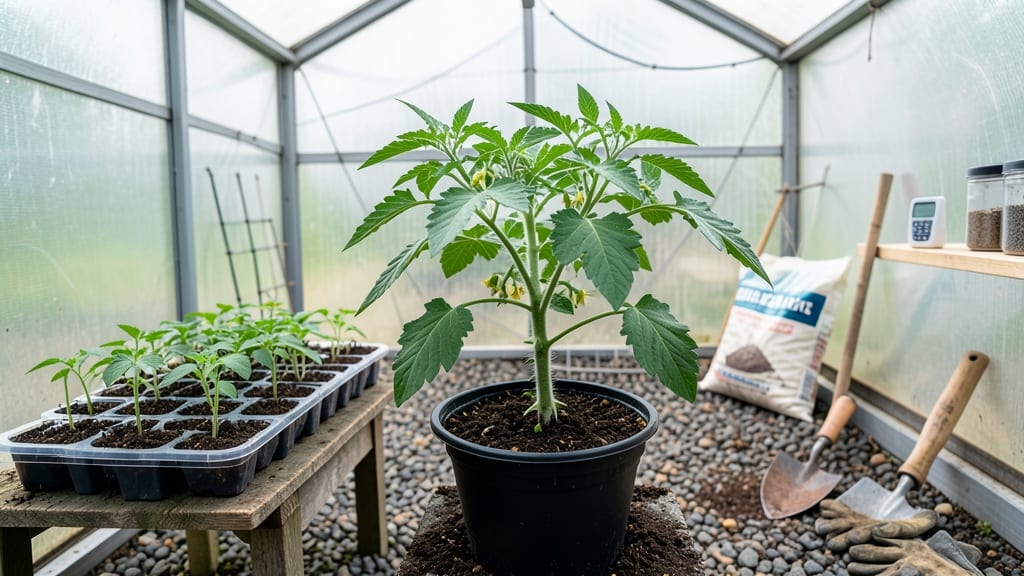
If you’re dreaming of juicy, homegrown tomatoes 🍅 months before your outdoor neighbors even think about planting, the answer lies in your greenhouse—and the timing is everything. Planting too early or too late can mean wasted weeks (or even months) of growth, leaving you with smaller yields or bitter fruit.
The key isn’t just when you plant, but how you leverage your greenhouse’s controlled environment to accelerate those 6-8 weeks to harvest.
Here’s the game-changer: unlike outdoor gardens tied to frost dates, a greenhouse lets you start tomatoes year-round, but the optimal window depends on your climate zone and goals.
Whether you’re aiming for an early spring harvest or a fall extension, the right timing can shave weeks off your growing season. I’ll break down the exact months to plant for maximum speed, plus how to avoid common pitfalls that slow down your plants.
Let’s say you want tomatoes by Memorial Day—most gardeners would wait until after the last frost, but in a greenhouse, you could start seeds as early as January for a head start.
The trick is balancing soil warmth, light exposure, and transplanting strategies to keep your plants thriving without overcrowding or disease. Ready to turn your greenhouse into a tomato powerhouse? Let’s dive into the secrets.
By the end, you’ll know not just when to plant, but how to fine-tune your greenhouse for faster harvests, whether you’re in a cold zone or a warm one. No more guessing—just science-backed timing to get you eating homegrown tomatoes weeks ahead of schedule.
Optimal greenhouse planting timeline for tomatoes by climate zone
A greenhouse lets you plant tomatoes year-round, but timing still matters for maximum yield and plant health. Unlike outdoor gardens, you’re not limited by frost dates, but soil temperature and daylight hours still dictate the best windows.
For most USDA zones 3-10, I recommend starting seeds 6-8 weeks before your target transplant date to ensure strong seedlings.
Greenhouses create microclimates, meaning your local last frost date becomes irrelevant. Instead, focus on soil warmth (70-85°F) and consistent light (12+ hours/day). In colder zones, I often start seeds in January-February for early spring harvests, while warmer zones can begin as late as March-April without risking cold stress.
🌱
In cold climates (zones 3-5), I prioritize early starts to capitalize on longer daylight hours. For example, planting seeds in January means you’ll transplant by March and harvest by June, beating outdoor gardeners by weeks.
Meanwhile, warmer zones (9-10) can afford later starts, but I still recommend avoiding peak summer heat (above 90°F) for seedlings.
For year-round greenhouse growing, I use a staggered planting schedule: start new batches every 2-3 weeks to ensure a continuous harvest. This works especially well for indeterminate varieties, which produce fruit over months.
For example, if you start seeds in January, March, May, and July, you’ll have tomatoes ready from April through November.
One critical factor I can’t stress enough is soil temperature. Tomatoes won’t germinate well below 70°F, so I always use heat mats in early starts.
In my zone 4 greenhouse, I’ve seen germination rates drop by 50% if soil stays below 65°F. Keep a soil thermometer handy—it’s a game-changer.
🌿
Another pro tip: Adjust your transplant date based on daylight hours. Tomatoes thrive with 12-16 hours of light, so in winter months, supplement with grow lights if natural light drops below 10 hours/day.
I’ve had determinate varieties like 'Roma' produce 20% more fruit when given 14 hours of light daily in early spring.
Finally, don’t overlook ventilation timing. Greenhouses trap heat, and tomato seedlings can suffer from heat stress above 85°F. I open vents gradually starting at 70°F to harden off plants before full exposure. This prevents shock and ensures steady growth once they’re established.
☀️
How to extend your growing season in a greenhouse for tomatoes
A greenhouse gives you year-round control over tomato planting, but extending the season requires strategy. The key is creating the right microclimate—warm soil, consistent light, and proper ventilation.
Start by soil warming 2-3 weeks before planting to reach 70-85°F for germination. Use black plastic mulch or seedling mats to speed up soil warming naturally.
For early starts, begin seeds indoors 6-8 weeks before your target greenhouse transplant date. In cold climates, this could mean starting in January or February for a March harvest.
Use grow lights (12-16 hours/day) to prevent leggy seedlings. My greenhouse tomatoes in Zone 5 hit the table by late May—weeks ahead of outdoor plantings!
Step-by-Step Season Extension Guide
- Soil Prep: Warm soil to 70-85°F using black plastic or seedling mats (2-3 weeks pre-plant).
- Seed Starting: Begin seeds indoors 6-8 weeks before transplanting. Use grow lights for 12-16 hours/day.
- Transplant Timing: Move seedlings to greenhouse when they have 2-3 true leaves (typically 4-6 weeks after sowing).
- Ventilation: Open vents on mild days (50°F+) to harden off plants and prevent fungal diseases.
- Shade Cloth: Use 30-50% shade cloth in peak summer to protect from heat stress (above 90°F).
- Staggered Planting: Sow new seeds every 2-3 weeks for continuous harvests. Example: January, March, May plantings.
- Winter Care: Use supplemental grow lights (14 hours/day) and maintain 60°F+ greenhouse temps for winter harvests.
Don’t overlook ventilation timing—it’s critical for preventing diseases like blossom end rot. Open vents gradually when daytime temps hit 50°F to let in fresh air while keeping humidity in check.
In summer, shade cloth becomes your best friend; it prevents heat stress that can halt fruit set. I’ve seen tomato flowers drop when temps exceed 90°F without shade.
For continuous harvests, use the staggered planting trick: start seeds every 2-3 weeks from January through July. This ensures you always have mature plants producing fruit. In my greenhouse, this means tomatoes from May through October—double the outdoor season!
Pair this with succession planting of fast-maturing varieties like 'Early Girl' or 'Stupice' for quicker turns.
Winter growing is possible but requires extra effort. Keep greenhouse temps above 60°F with heating mats or a small propane heater. Supplement with LED grow lights (14 hours/day) to replace lost sunlight. I’ve grown winter tomatoes in Zone 6 using this setup, harvesting through December with the right care.
Pro tip: Monitor your greenhouse’s humidity levels—aim for 40-60%. Too much humidity invites powdery mildew, while too little causes blossom drop. A simple hygrometer and occasional fan circulation keep conditions perfect. With these tweaks, your greenhouse can become a tomato powerhouse year-round! 🌱